
Author: Cassius Thornfield - Page 2
17
Feb
Signs of Pediatric Medication Overdose and When to Call Poison Control
Recognizing the early signs of pediatric medication overdose can save a child's life. Learn what to watch for, when to call Poison Control, and how to prevent these dangerous accidents before they happen.
READ MORE10
Feb
Generic Drug Shortages: Causes and How They Limit Patient Access
Generic drug shortages are disrupting patient care across the U.S., with 270 active shortages as of 2025. Thin profit margins, global supply chains, and lack of manufacturing redundancy are driving the crisis-putting lives at risk.
READ MORE7
Feb
Breastfeeding and Medications: What You Need to Know About Drug Transfer Through Breast Milk
Most medications are safe while breastfeeding. Learn how drugs transfer into breast milk, which ones are safest, and how to minimize your baby's exposure without stopping nursing.
READ MORE7
Feb
Diet for Heart Health: Mediterranean, DASH, and Plant-Forward Eating Explained
Learn how the Mediterranean, DASH, and plant-forward diets improve heart health by lowering blood pressure, cholesterol, and inflammation. See how they compare, what works best, and how to start today.
READ MORE4
Feb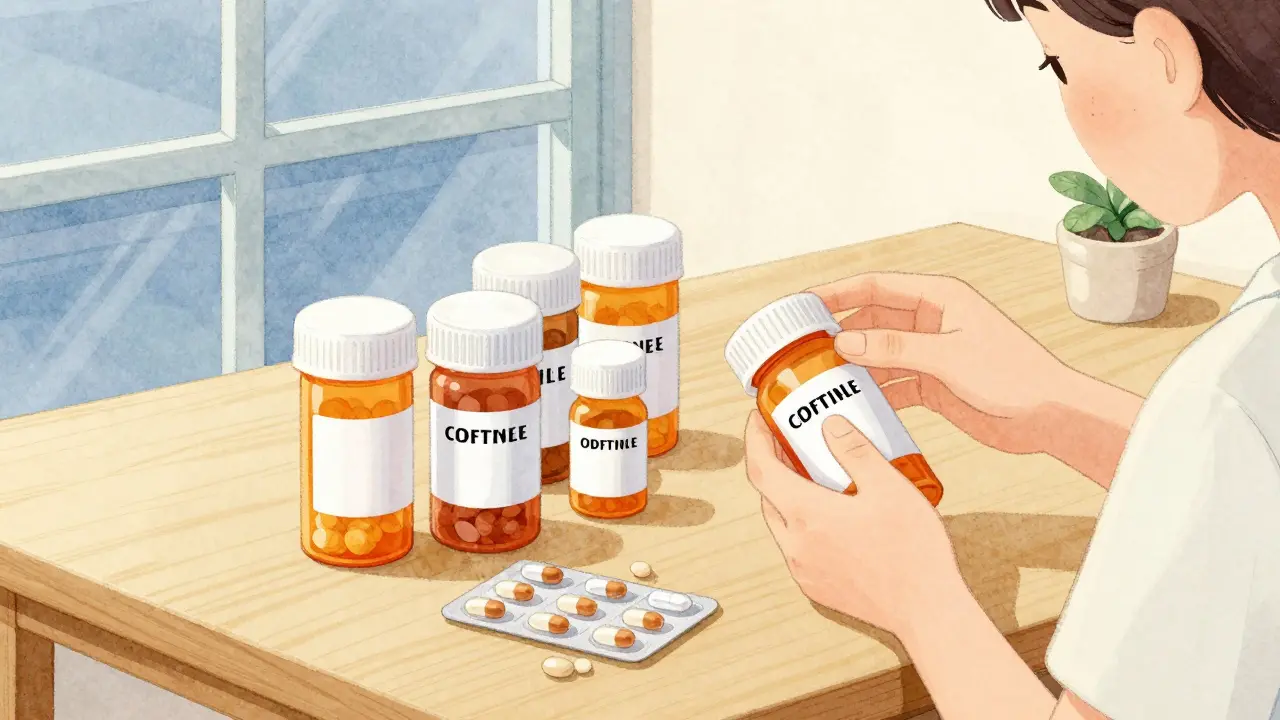
How to Create a Medication Expiration Review Schedule: A Step-by-Step Guide for Safe Medication Use
Learn how to create a medication expiration schedule to prevent unsafe use of expired drugs. Step-by-step guide for safe storage, disposal, and monitoring of prescriptions and OTC meds.
READ MORE3
Feb
How to Safely Dispose of Expired Medications: FDA Take-Back Guidelines and Best Practices
Learn the FDA-approved ways to safely dispose of expired medications, including take-back locations, mail-back programs, and proper home disposal steps to prevent misuse and environmental harm.
READ MORE1
Feb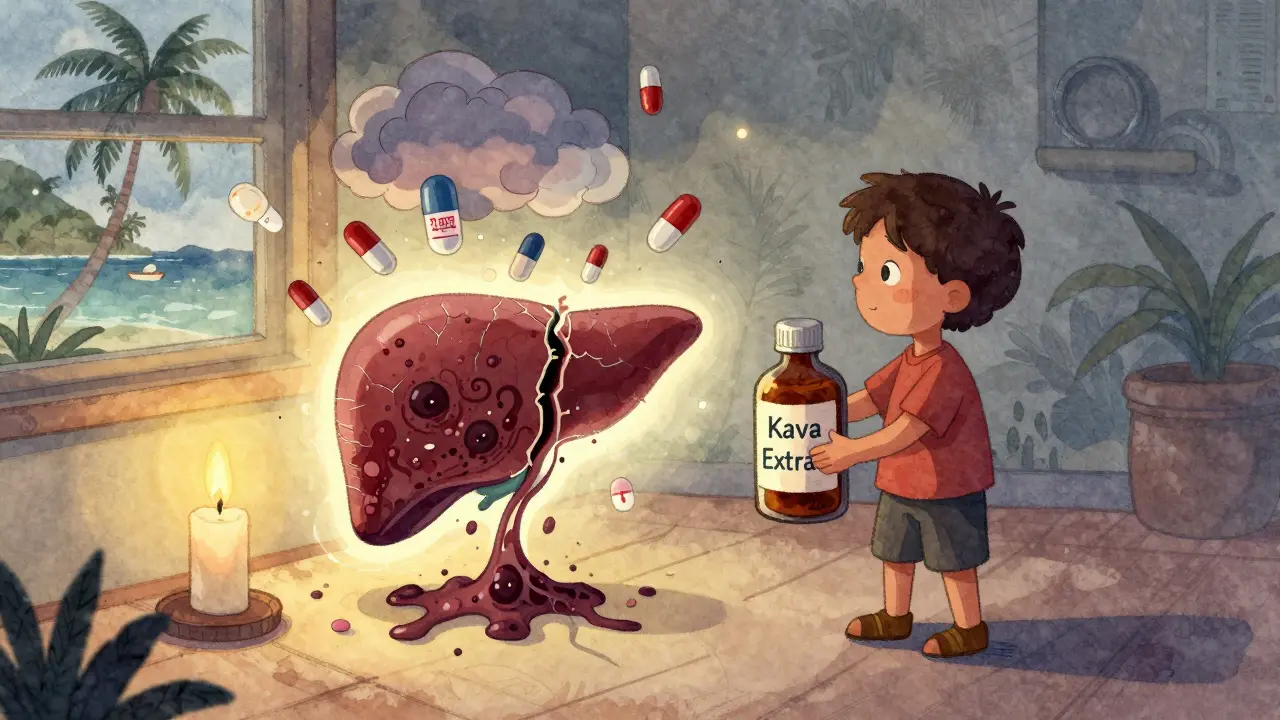
Kava and Liver Health: Safety with Other Medications
Kava may help with anxiety, but it carries serious liver risks-especially when taken with medications. Learn which drugs interact dangerously with kava, how to spot risky supplements, and safer alternatives.
READ MORE29
Jan
ALS Care: How Noninvasive Ventilation and Nutrition Strategies Extend Life and Improve Daily Living
Noninvasive ventilation and nutritional support through PEG tubes are proven strategies that extend survival and improve quality of life for people with ALS. Learn how and when to use them effectively.
READ MORE26
Jan
How to Create a Medication Schedule That Minimizes Interactions
Learn how to create a medication schedule that reduces dangerous drug interactions using the Universal Medication Schedule, pill organizers, and pharmacist-led reviews. Simple steps for people taking five or more medications daily.
READ MORE23
Jan
How to Understand Narrow Therapeutic Index Drugs and Generics
Learn how narrow therapeutic index drugs work, why generic versions require stricter standards, and what patients and providers must do to avoid dangerous side effects. Essential reading for anyone on immunosuppressants, anticonvulsants, or blood thinners.
READ MORE© 2026. All rights reserved.