
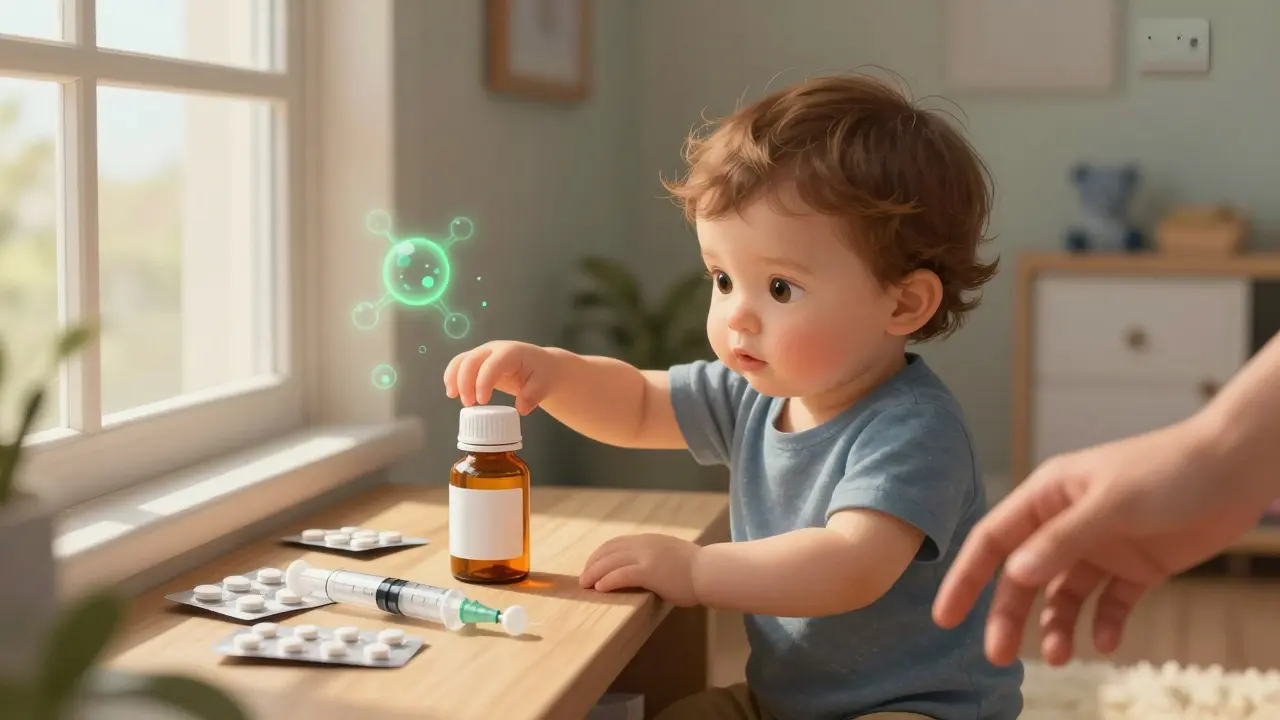
When a child accidentally takes too much medicine, it can turn deadly in minutes. Most parents assume they’re safe if they lock up pills or use child-resistant caps-but pediatric medication overdose still happens more often than you think. In 2022, over 1 million cases of kids under 6 being exposed to medications were reported to U.S. poison centers. That’s not a rare accident. It’s a quiet epidemic. And the worst part? Many of these cases don’t show symptoms right away. A child might seem fine after swallowing a few extra pills, but inside, their liver could already be shutting down. You don’t wait for symptoms to act. You act before they appear.
What Happens When a Child Takes Too Much Medicine?
Children’s bodies don’t process drugs like adults do. Their liver and kidneys are still developing. A dose that’s safe for a 10-year-old could be toxic for a 2-year-old. Even a small amount of certain medications can cause serious harm. The most common culprits? Acetaminophen (Tylenol), cough and cold syrups, ADHD meds like Adderall, and opioids like fentanyl or oxycodone. Acetaminophen is the number one cause of poisoning in kids under 6. Why? Because it’s in so many products. Cold medicine. Flu relief. Pain relievers. Parents think they’re helping by giving one for fever and another for congestion-until they realize both contain the same active ingredient. The Cleveland Clinic says 70% of acetaminophen overdoses in kids happen this way.
And it’s not just about pills. Liquid medications are especially risky. A teaspoon instead of a milliliter. A dropper misread. A bottle left within reach. The FDA introduced unit-dose packaging for liquid acetaminophen in 2020, and since then, accidental overdoses in kids have dropped by 19%. But the problem hasn’t disappeared. With 68% of U.S. households keeping 10 or more medications at home, the risk is always there.
Early Warning Signs You Can’t Ignore
Every drug has different signs of overdose. But some red flags are the same across the board:
- Unusual sleepiness or trouble waking up
- Confusion, dizziness, or acting out of character
- Vomiting without a clear cause
- Slow, shallow, or irregular breathing
- Cold, clammy skin or bluish lips and fingernails
- Unresponsive to voice or touch
For opioid overdoses-like from prescription painkillers or fentanyl-there are six clear signs the California Department of Public Health says to watch for: pinpoint pupils, limp body, gurgling or choking sounds, no breathing, cold skin, and discolored lips or nails. These aren’t subtle. If you see two or more, don’t wait. Call 911 now.
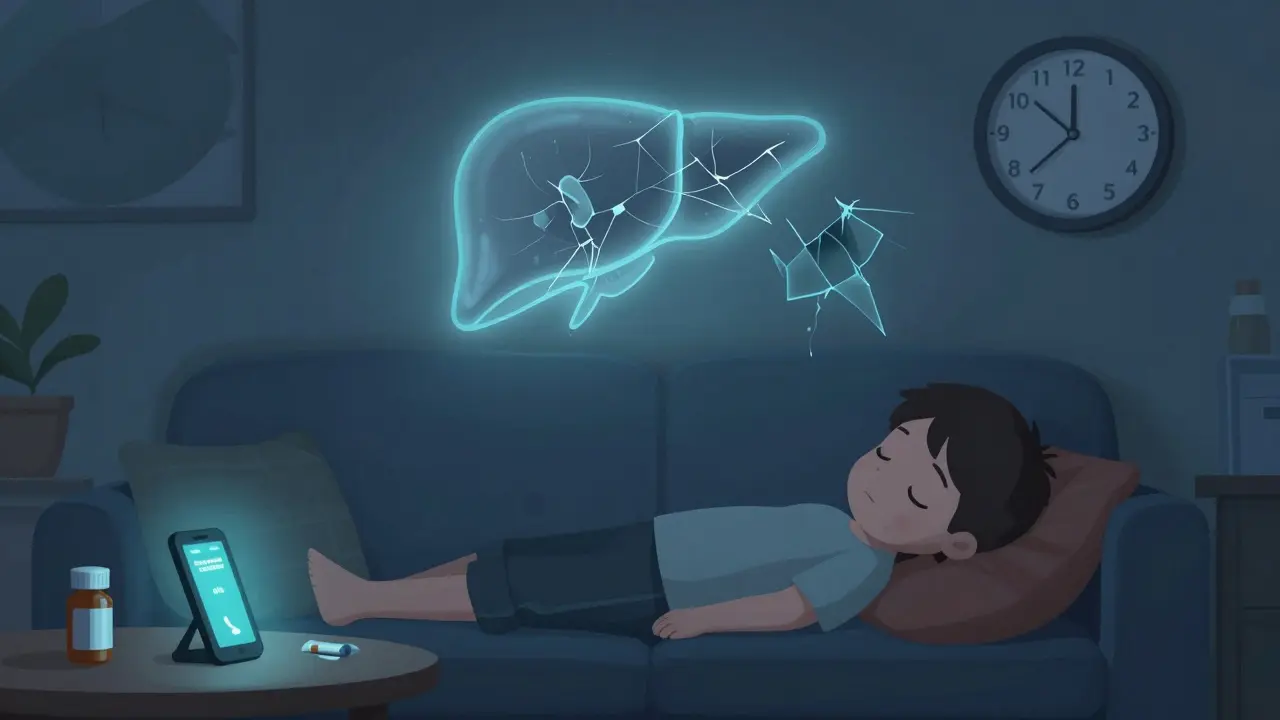
With acetaminophen, things are trickier. The first signs-nausea, vomiting, stomach pain-don’t show up for 12 to 24 hours. But damage to the liver starts immediately. By the time a child looks sick, it’s often too late. That’s why experts say: if you even suspect an overdose, call poison control right away-even if your child seems fine.
Stimulant overdoses, like from ADHD meds, look totally different. Kids may become hyperactive, agitated, or hallucinate. They might have rapid breathing, a racing heart, seizures, or high fever. Some parents mistake this for a tantrum or illness. But if your child suddenly can’t sit still, is sweating, or has a temperature over 104°F, it’s not normal. It’s an emergency.
When to Call Poison Control vs. 911
Many parents don’t know the difference between calling Poison Control and calling 911. Here’s the rule:
- Call Poison Control (800-222-1222) if you think your child took too much medicine-even if they seem okay. This line is staffed 24/7 by toxicology experts who can tell you whether it’s dangerous, what to watch for, and whether you need to go to the ER. They’ve handled over 120,000 cases through their online tool, webPOISONCONTROL®, since its launch in 2023. It’s free, fast, and accurate.
- Dial 911 immediately if your child is unresponsive, not breathing, having seizures, turning blue, or showing signs of a stroke or heart attack. These are life-threatening emergencies. Don’t wait for a response from Poison Control. Get help on the way now.
For opioid overdoses, if you have naloxone (Narcan) at home, use it right away. Give one dose, wait 2-3 minutes, and if there’s no improvement, give another. Keep giving doses until help arrives. Naloxone can reverse an overdose, but it doesn’t last long. The child still needs emergency care.
Why Timing Is Everything
The difference between life and death often comes down to hours, not days. For acetaminophen poisoning, N-acetylcysteine (NAC) is the antidote. It works 100% of the time if given within 8 hours of ingestion. After 16 hours, its effectiveness drops to 40%. That’s not a guess. That’s what the Cleveland Clinic’s hepatology team has seen in real cases. If you wait until your child is vomiting and pale, you’re already past the window.
Dr. Katherine O’Connor from The Children’s Hospital at Montefiore says it plainly: “The window for effective treatment is narrow-especially for medications like acetaminophen where liver damage progresses silently.”
Fentanyl is even more dangerous. It’s 50 to 100 times stronger than morphine. A tiny amount can stop breathing. The American Academy of Pediatrics warns that fentanyl is now showing up in fake pills sold as oxycodone or Adderall. Kids think they’re taking a study aid or painkiller. They’re not. They’re taking poison. Dr. Lewis Nelson at NYU says, “The presence of fentanyl in any other drug increases the risk of a fatal overdose.”
How to Prevent Overdoses Before They Happen
Prevention isn’t about being perfect. It’s about reducing risk. Here’s what works:
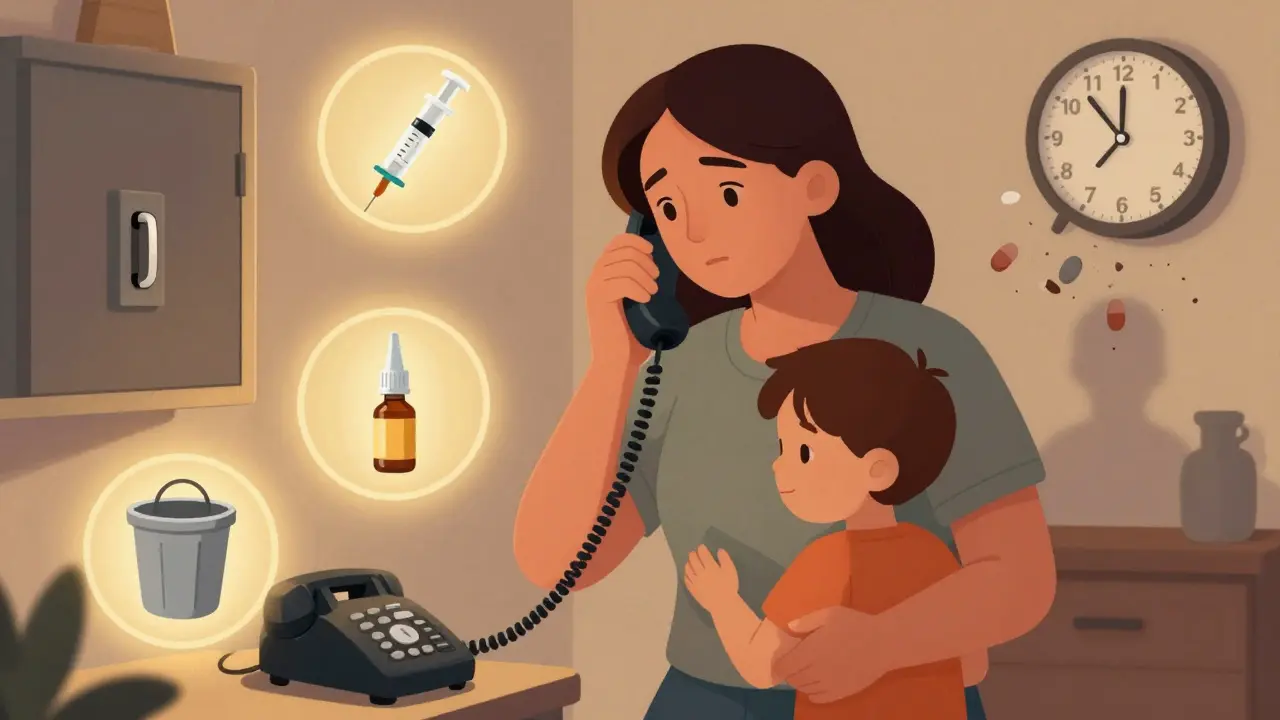
- Lock up all medications. 60% of childhood poisonings happen at home. A locked cabinet isn’t optional-it’s essential. Even if you think your child can’t open it, they can.
- Never call medicine “candy.” Saying “this will help you feel better” is fine. Saying “this tastes like candy” teaches kids to associate pills with treats.
- Use the right measuring tool. Never use a kitchen spoon. Always use the dropper, syringe, or cup that came with the medicine. Different products have different concentrations. A teaspoon of one brand might be twice as strong as another.
- Check labels for acetaminophen. Before giving any cold, flu, or pain medicine, read the “Active Ingredients” section. If it says acetaminophen, don’t give another product with it.
- Dispose of old or expired meds. Use a drug take-back program. Don’t flush them or throw them in the trash where kids or pets can find them.
The National Safety Council says medication poisoning is the second leading cause of unintentional injury death in kids ages 1-4. Between 2018 and 2022, over 1,500 children died from drug overdoses. Most of these were preventable.
What to Do Right Now
Here’s your action plan:
- If you suspect your child took too much medicine-call Poison Control at 800-222-1222 immediately.
- If they’re unresponsive, not breathing, or turning blue-call 911 right now.
- If you have naloxone and suspect opioids, give one dose. Wait. Give another if needed.
- Keep the medicine bottle handy. Emergency responders need to know what was taken.
- Don’t try to make your child vomit. Don’t give milk or charcoal. Follow expert instructions only.
Every second counts. And you don’t need to be a doctor to save a life. You just need to act.
What should I do if my child swallowed a pill I didn’t know they could reach?
Call Poison Control at 800-222-1222 right away-even if your child seems fine. Tell them the name of the medication, how much was taken, and when. They’ll tell you whether to monitor at home or go to the ER. Don’t wait for symptoms. Some drugs cause silent damage.
Can a child overdose from just one extra tablet?
Yes. Especially with medications like acetaminophen, opioids, or ADHD drugs. A child’s weight and age determine safe dosage-not how many tablets are in the bottle. One extra tablet can be dangerous for a toddler. Always follow the weight-based dosing chart on the label.
Is it safe to wait and see if my child gets sick before calling for help?
No. For drugs like acetaminophen, liver damage starts within hours but symptoms don’t appear for up to 24 hours. By then, it may be too late to reverse the damage. Waiting is the biggest mistake parents make. If you suspect an overdose, call immediately.
Does Poison Control charge for their services?
No. The Poison Control hotline (800-222-1222) is completely free, confidential, and available 24/7. You don’t need insurance. You don’t need to be a patient at a hospital. Anyone can call, anytime.
What if I’m not sure what my child took?
Call Poison Control anyway. They can help you identify unknown pills using color, shape, and markings. Bring the container or take a photo if possible. Even partial information can help them give you accurate advice. Don’t guess-call.
Are child-resistant caps enough to prevent overdoses?
No. While child-resistant packaging helps, 20% of poisonings still happen despite these caps. Kids are clever. They can open bottles with tools, teeth, or by learning how. Locking medications in a high cabinet is the only reliable way to keep them out of reach.
Tommy Chapman
February 19, 2026 AT 09:56Let’s be real-most parents are lazy and think child-resistant caps are a magic shield. Newsflash: my 3-year-old nephew opened a bottle of Tylenol using a butter knife and a YouTube tutorial. You think you’re safe? You’re not. Lock it up or accept that your kid might end up in the ICU because you trusted a plastic cap more than common sense. This isn’t rocket science. It’s basic parenting.
Robin bremer
February 20, 2026 AT 12:55omg this post is life saving 💔 i had no idea acetaminophen was in EVERYTHING 😭 my kid took a ‘cough syrup’ and i thought it was fine bc it was ‘pediatric’… called poison control and they were like ‘you’re lucky he’s breathing’… now all meds are in a safe behind a fake bookshelf 🤫
aine power
February 21, 2026 AT 15:59Accidental overdose isn’t an accident. It’s negligence dressed up as ignorance.
Hariom Sharma
February 21, 2026 AT 16:36As someone from India where medicines are sold over the counter like candy, I can tell you-this problem is global. My cousin’s daughter almost didn’t make it after swallowing her grandma’s blood pressure pills. The key? Education. Talk to your kids. Lock it. Don’t wait. I’m sharing this with every parent I know. Prevention beats panic every time. 💪
Laura B
February 23, 2026 AT 08:17I never realized how many products contain acetaminophen until I started reading labels. Now I keep a little cheat sheet taped to my medicine cabinet. ‘If it says APAP, don’t combine.’ It’s saved me twice already. Small habits = big lifesavers.
Nina Catherine
February 25, 2026 AT 00:06my kid got into my adderall last week and i totally panicked… called poison control and they were SO calm and helpful. told me exactly what to watch for and said no need for er unless he got super agitated. i’ve since locked everything in a lockbox and even put a sticker on the front: ‘DO NOT TOUCH-THIS ISN’T CANDY’. thanks for the reminder-this stuff is scary but manageable if you’re prepared ❤️
Irish Council
February 25, 2026 AT 19:08They say poison control is free but what they don’t tell you is that they’re owned by Big Pharma. Why else would they push NAC so hard? They profit from liver transplants. And don’t get me started on naloxone-why is it always in the hands of the state? Coincidence? Or control?
Jayanta Boruah
February 27, 2026 AT 07:00It is of paramount importance to underscore that the statistical prevalence of pediatric medication ingestion, as documented by the American Association of Poison Control Centers, constitutes a non-trivial public health burden that demands systemic intervention at both familial and institutional levels. The notion that parental vigilance alone can mitigate this risk is, frankly, statistically naive. One must consider the broader sociological context: the proliferation of polypharmacy in domestic environments, the absence of standardized pediatric dosing education in primary care, and the alarming commodification of pharmaceuticals in retail spaces. A multi-pronged approach involving mandatory labeling protocols, community pharmacist outreach, and federally funded home safety audits is not merely advisable-it is ethically imperative.