
Category: Health and Medicine - Page 4
23
Jan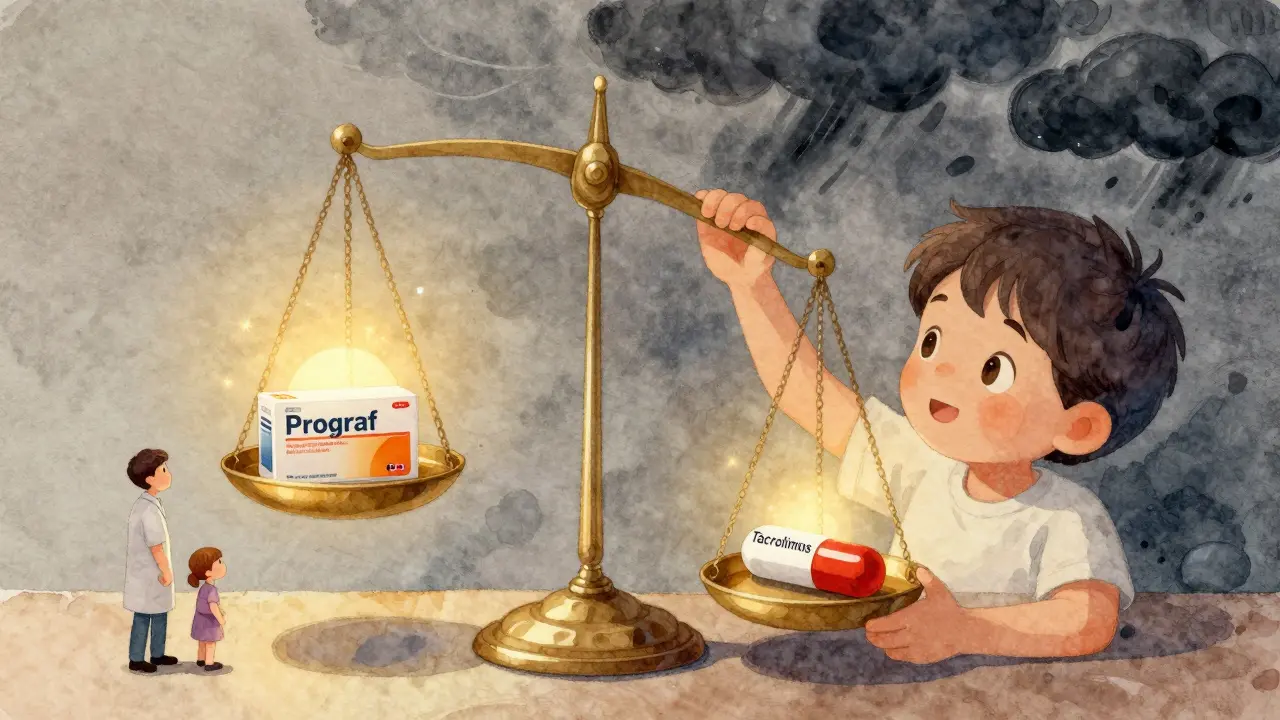
How to Understand Narrow Therapeutic Index Drugs and Generics
Learn how narrow therapeutic index drugs work, why generic versions require stricter standards, and what patients and providers must do to avoid dangerous side effects. Essential reading for anyone on immunosuppressants, anticonvulsants, or blood thinners.
READ MORE21
Jan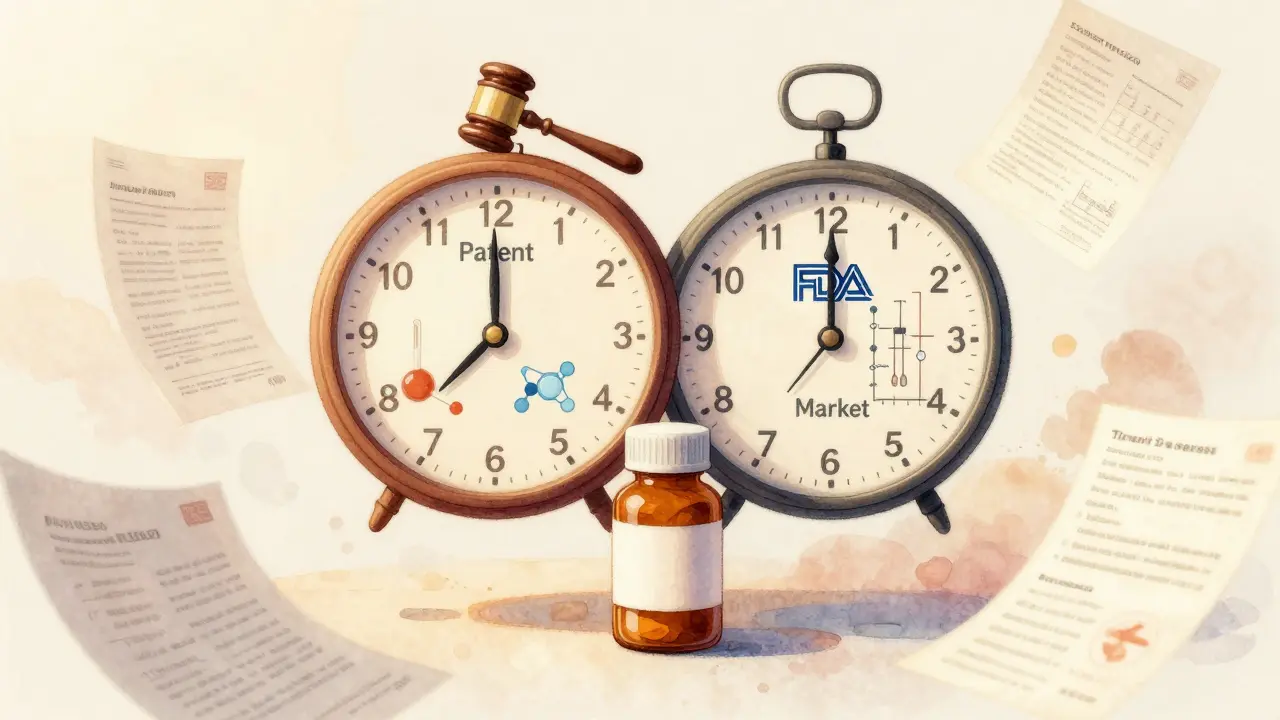
Patent Exclusivity vs Market Exclusivity: What’s the Real Difference in Drug Protection?
Patent exclusivity and market exclusivity are two separate systems that protect new drugs. One is about invention, the other about data. Understanding the difference explains why some medicines stay expensive for years-even after patents expire.
READ MORE20
Jan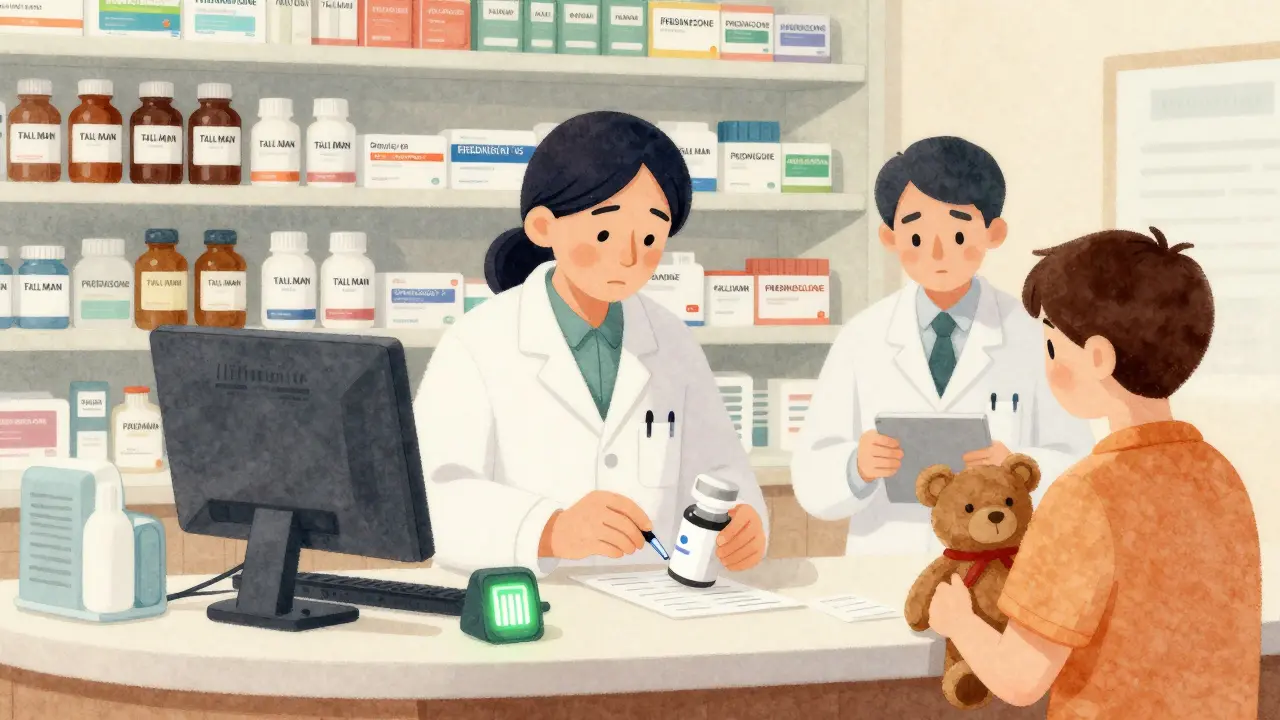
Common Pharmacy Dispensing Errors and How to Prevent Them
Discover the most common pharmacy dispensing errors, why they happen, and proven ways to prevent them-backed by data from 2023 studies and real-world pharmacy practices.
READ MORE19
Jan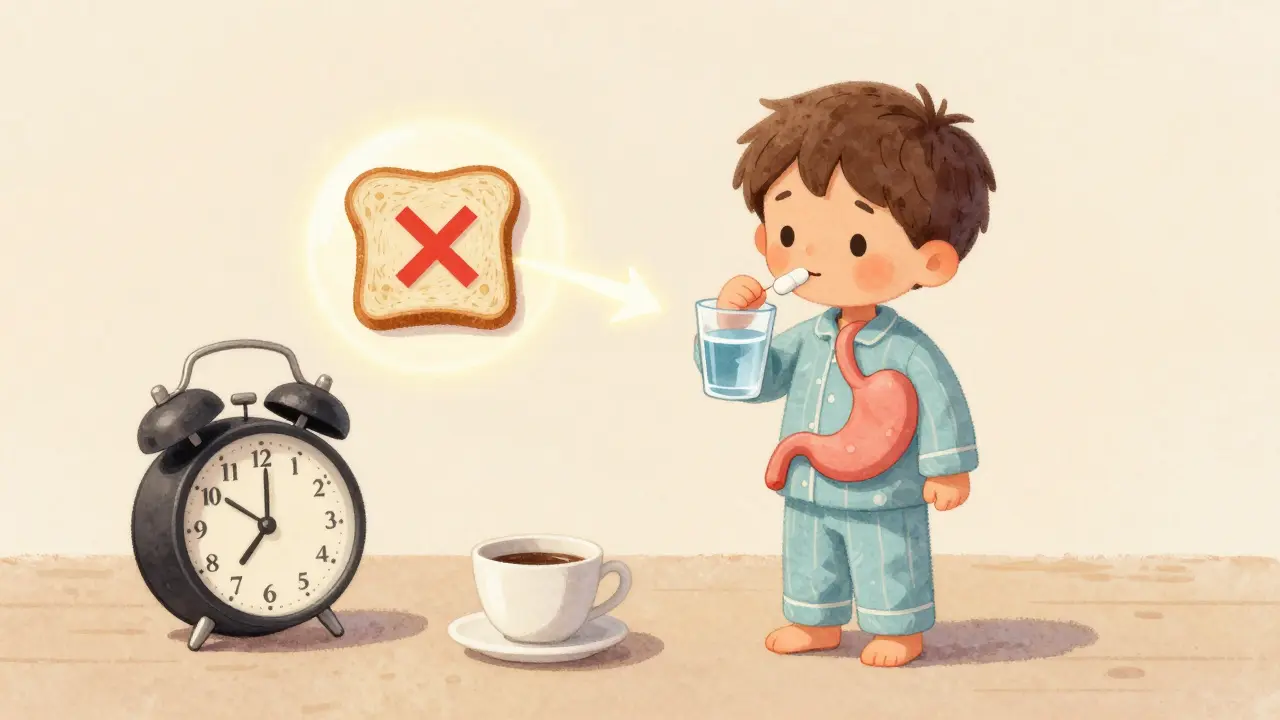
Taking Medications with Food vs Empty Stomach: When It Matters
Taking medications with or without food can make or break their effectiveness. Learn which drugs need an empty stomach, which need food, and how to avoid dangerous mistakes that reduce results or cause side effects.
READ MORE18
Jan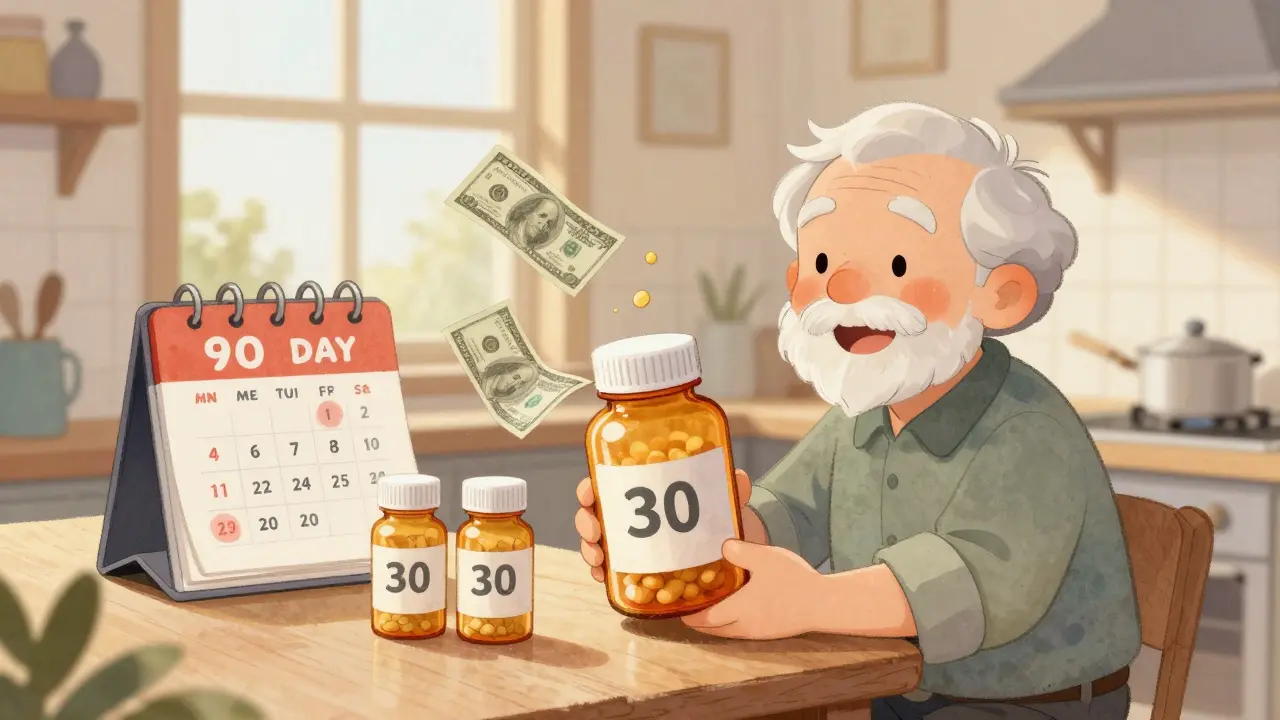
How to Get 90-Day Fills to Lower Prescription Costs
Learn how to get 90-day prescription fills to cut your medication costs in half. Save up to $40 a year per drug, reduce pharmacy trips, and improve adherence with simple steps anyone can take.
READ MORE17
Jan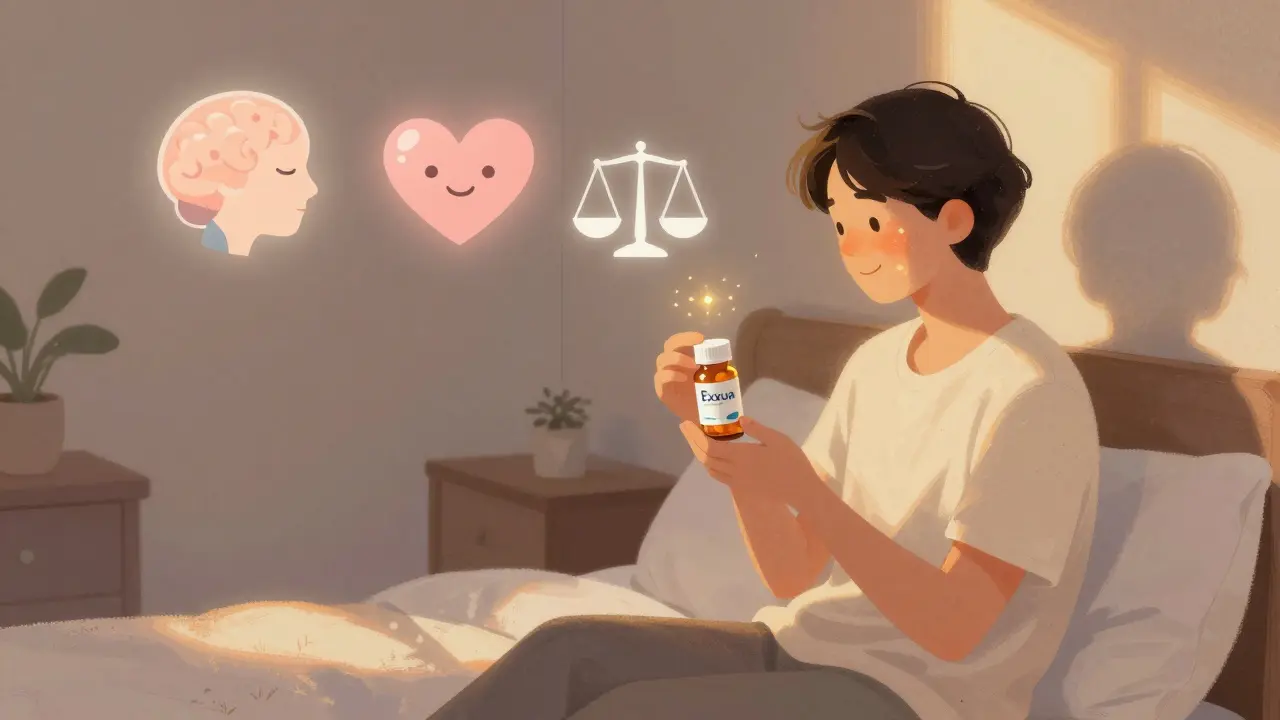
New Antidepressants with Better Side Effect Profiles: What’s Emerging in 2026
New antidepressants like Exxua, Zuranolone, and Auvelity offer faster relief and fewer side effects than older SSRIs. Learn how they work, who they’re for, and what the real-world costs and risks are in 2026.
READ MORE16
Jan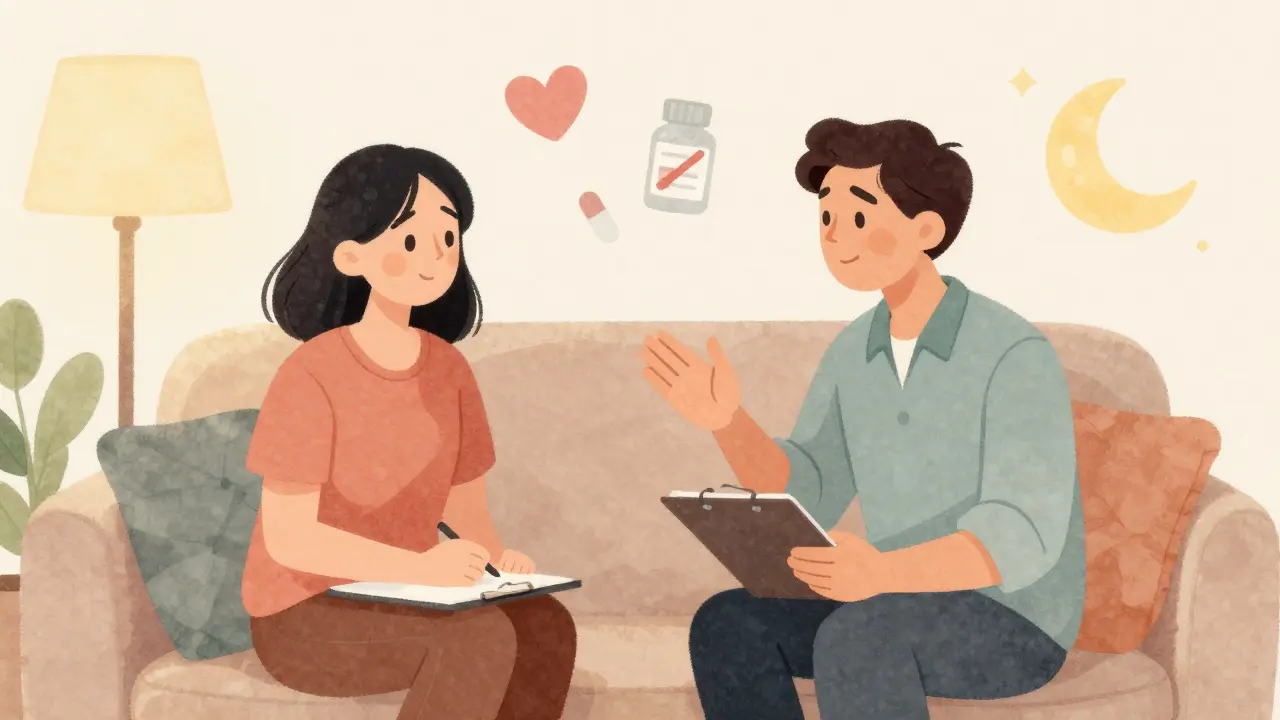
Counseling for Sexual Side Effects from Medications: What You Need to Know
Sexual side effects from medications like antidepressants are common, often untreated, and lead many to quit treatment. Learn what causes them, what actually works to fix them, and how to talk to your provider about it.
READ MORE15
Jan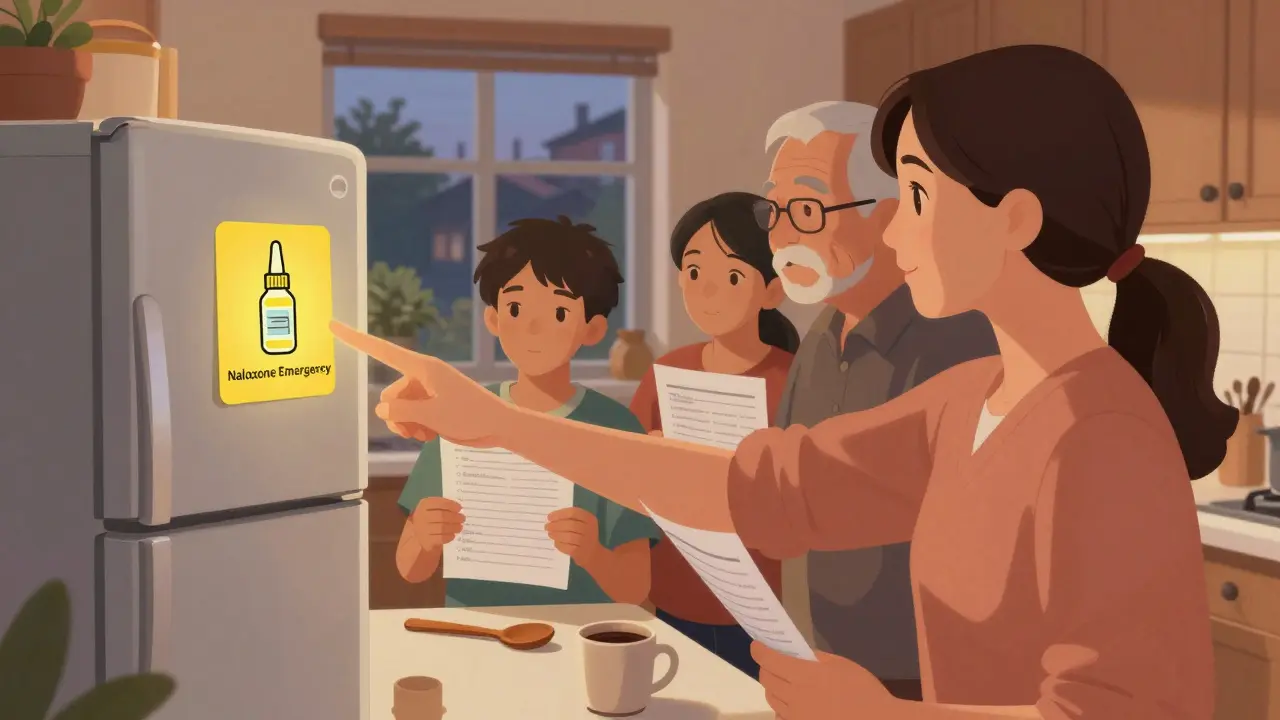
How to Create a Family Overdose Emergency Plan for Medications
Learn how to create a family overdose emergency plan with naloxone to save lives during opioid overdoses. Step-by-step guide for recognition, response, and prevention.
READ MORE13
Jan
How to Prevent and Relieve Nausea and Vomiting from Medications
Learn how to prevent and relieve nausea and vomiting caused by medications using proven strategies - from dietary tips and ginger to effective antiemetics and behavioral techniques. No more skipping doses because you feel sick.
READ MORE12
Jan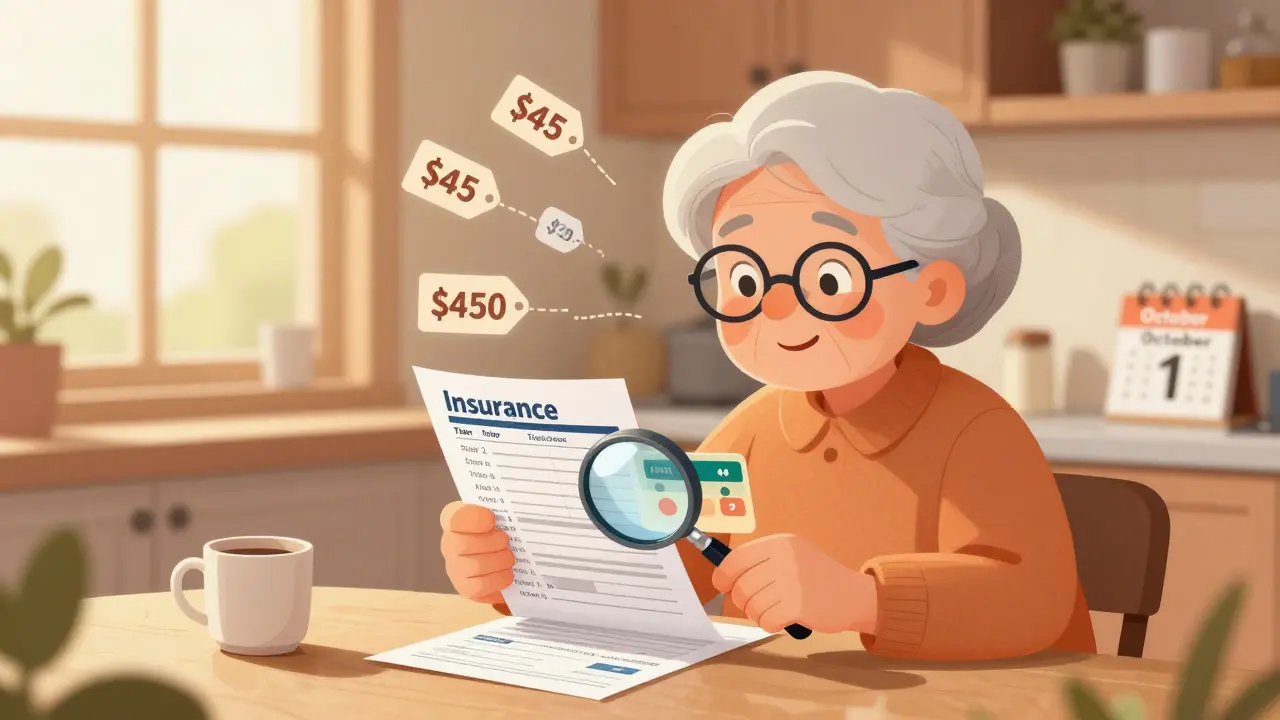
Insurance and Medication Changes: How to Navigate Formularies Safely in 2026
Learn how to navigate insurance formulary changes in 2026 to avoid sudden medication cost spikes or coverage gaps. Step-by-step guide for Medicare and commercial plan holders.
READ MORE© 2026. All rights reserved.