
Hatch-Waxman Act: How It Shaped Generic Drugs and Lowered Prescription Costs
When you pick up a generic pill at the pharmacy, you’re benefiting from the Hatch-Waxman Act, a 1984 U.S. law that created a legal path for generic drugs to enter the market without repeating costly clinical trials. Also known as the Drug Price Competition and Patent Term Restoration Act, it’s the reason your blood pressure or cholesterol meds cost a fraction of what they did 30 years ago.
This law didn’t just help patients—it rewrote the rules for drug companies. Before Hatch-Waxman, brand-name makers could extend their monopoly by tweaking a drug slightly and getting a new patent. The Act let generic makers file an ANDA, an Abbreviated New Drug Application that proves their version is bioequivalent to the brand-name drug, skipping animal and human trials. In return, brand-name companies got up to five extra years of patent protection to make up for time lost during FDA review. That balance—faster generics for brand-name innovation—is why we now have over 90% of prescriptions filled with generics.
The Act also created the first real system for resolving patent disputes before generics launch. If a generic company challenges a patent, the brand-name maker gets 30 months to sue. That’s why you sometimes see a generic version sit on the shelf for months after approval—it’s waiting for a court decision. Meanwhile, the FDA keeps reviewing applications, clearing the way once the legal issues are settled. This system keeps the market moving without letting patents become endless shields.
You’ll see the ripple effects in the posts below. From GDUFA, the fee program that helps the FDA process generic applications faster, to how biosimilars, the next generation of complex generic-like drugs for biologics are trying to follow the same playbook, the Hatch-Waxman Act is the foundation. Even today’s debates over drug pricing, patent evergreening, and generic quality issues all trace back to this law. What you’re reading here isn’t history—it’s the operating system behind every generic pill you take.
Below, you’ll find real-world examples of how this law plays out—from the delays in approval, to the manufacturing flaws that sometimes slip through, to how insurance handles these cheaper alternatives. No theory. Just what’s happening on the ground.
4
Apr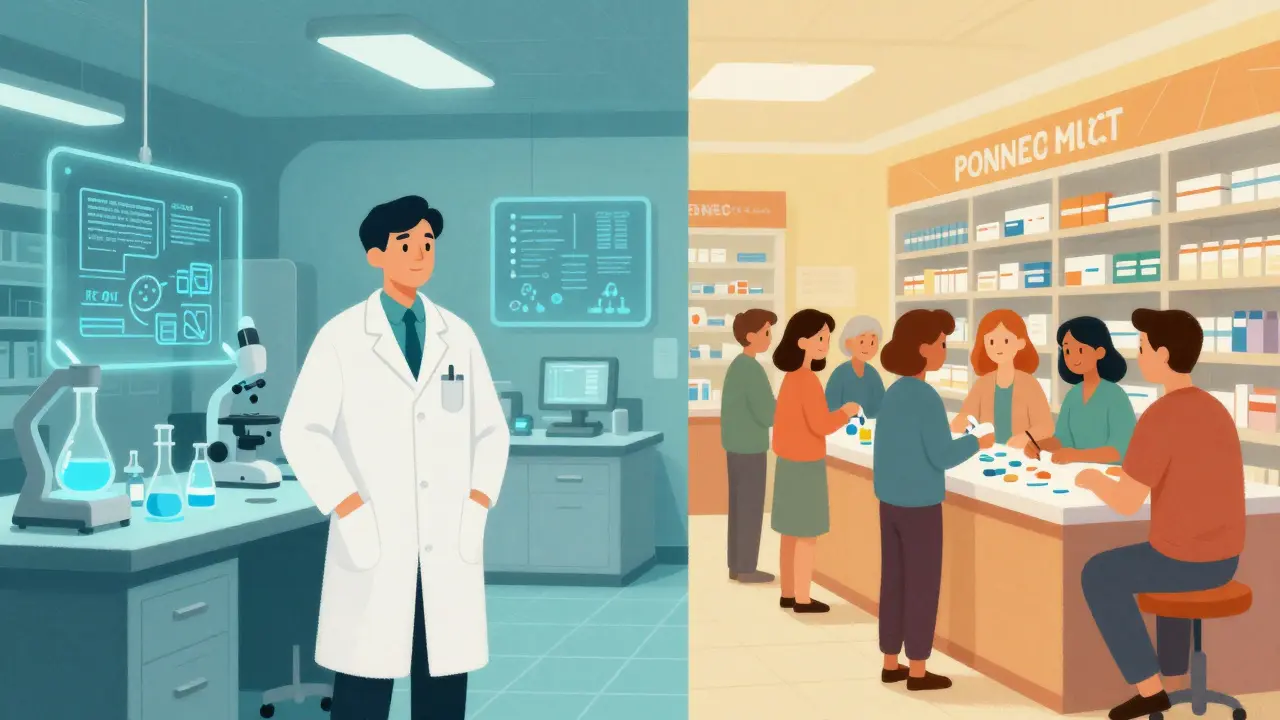
27
Jan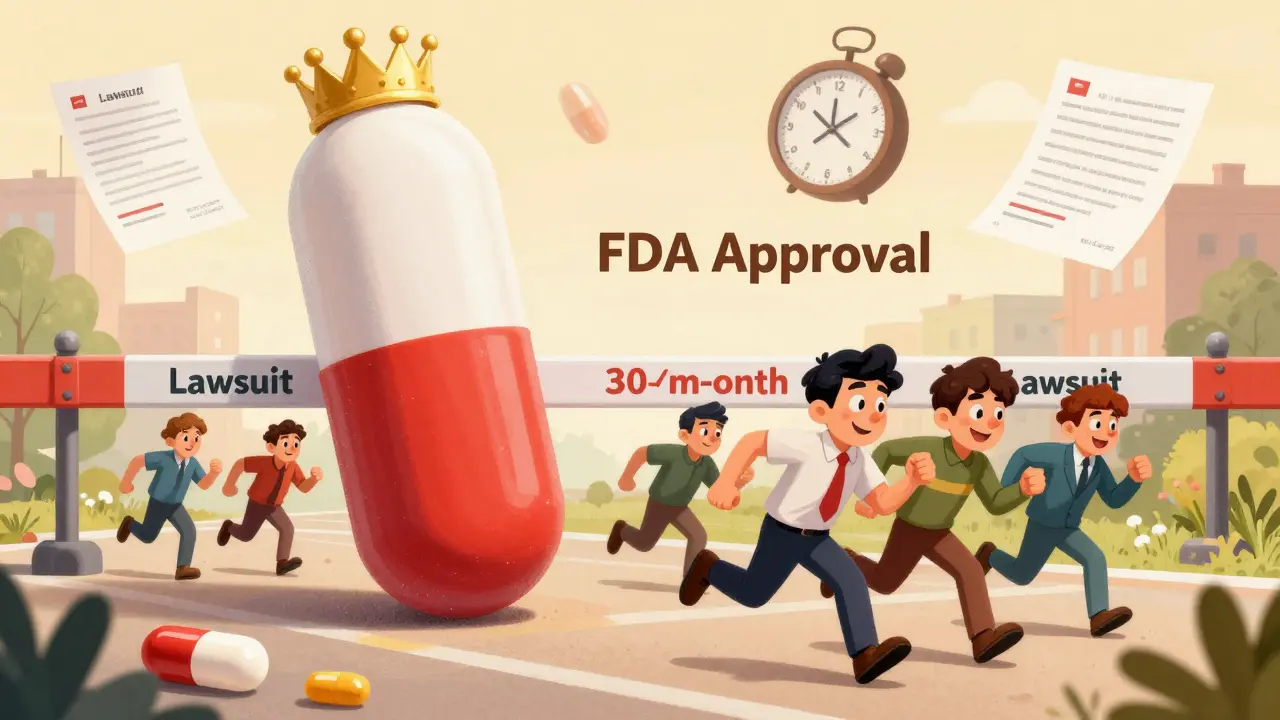
Predicting Generic Entry: How to Forecast When Your Drug Will Face Generic Competition
Learn how to predict when generic drugs will enter the market after patent expiration. Understand the legal, regulatory, and market forces that determine timing-and how to plan for revenue loss before it hits.
READ MORE8
Jan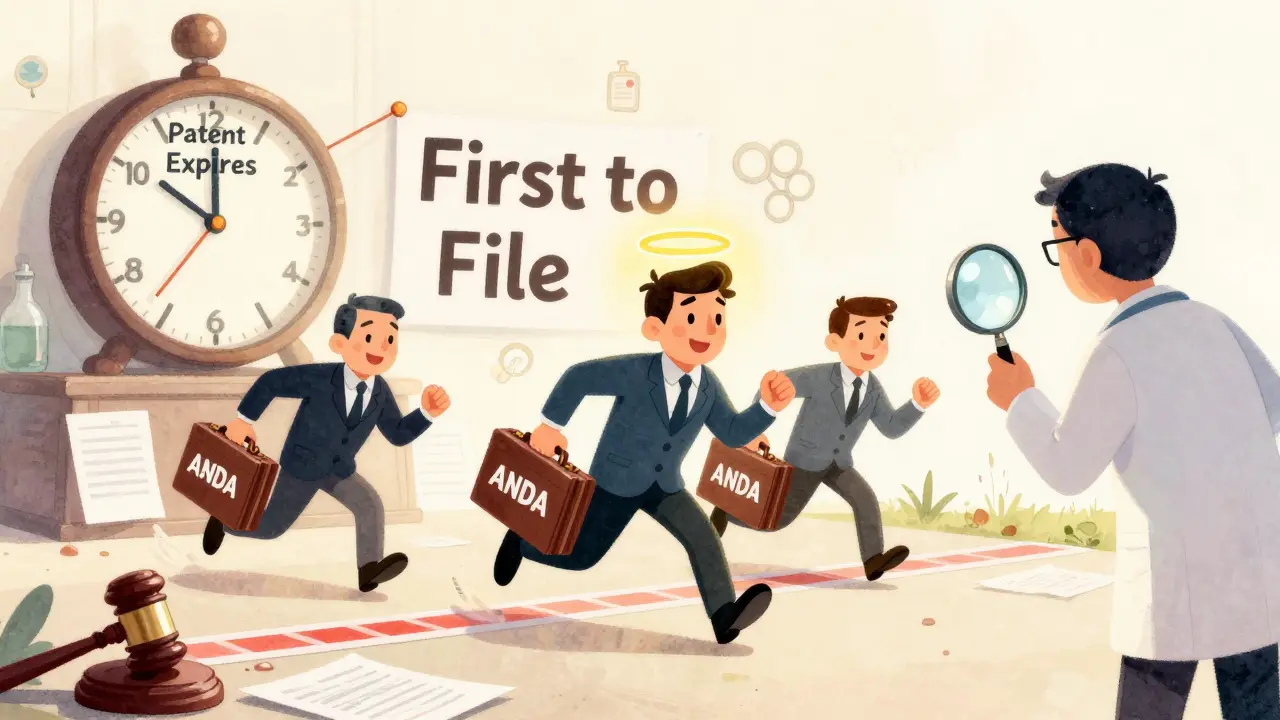
180-Day Exclusivity in Generic Drugs: How Patent Challenges Delay Market Entry
The 180-day exclusivity rule under the Hatch-Waxman Act gives the first generic drug challenger a temporary monopoly to incentivize patent challenges-but it often delays market entry for years, keeping prices high. Here's how it works and why it matters.
READ MORE24
Nov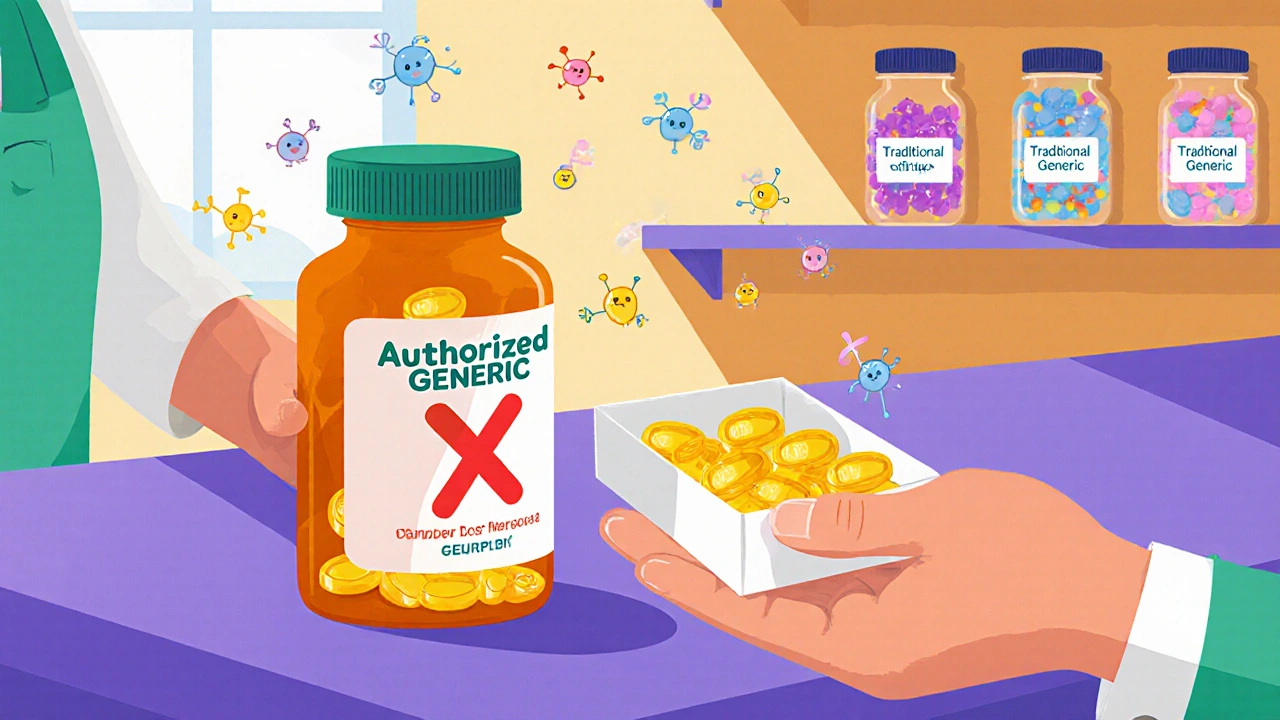
Authorized Generics: How Brand Drug Companies Respond to Patent Expiration
Authorized generics are brand-name drugs sold without the brand label after patent expiration. They offer identical ingredients to the original, lower prices, and fewer side effects-but they also delay true generic competition. Here’s how they work and what they mean for patients.
READ MORE© 2026. All rights reserved.