
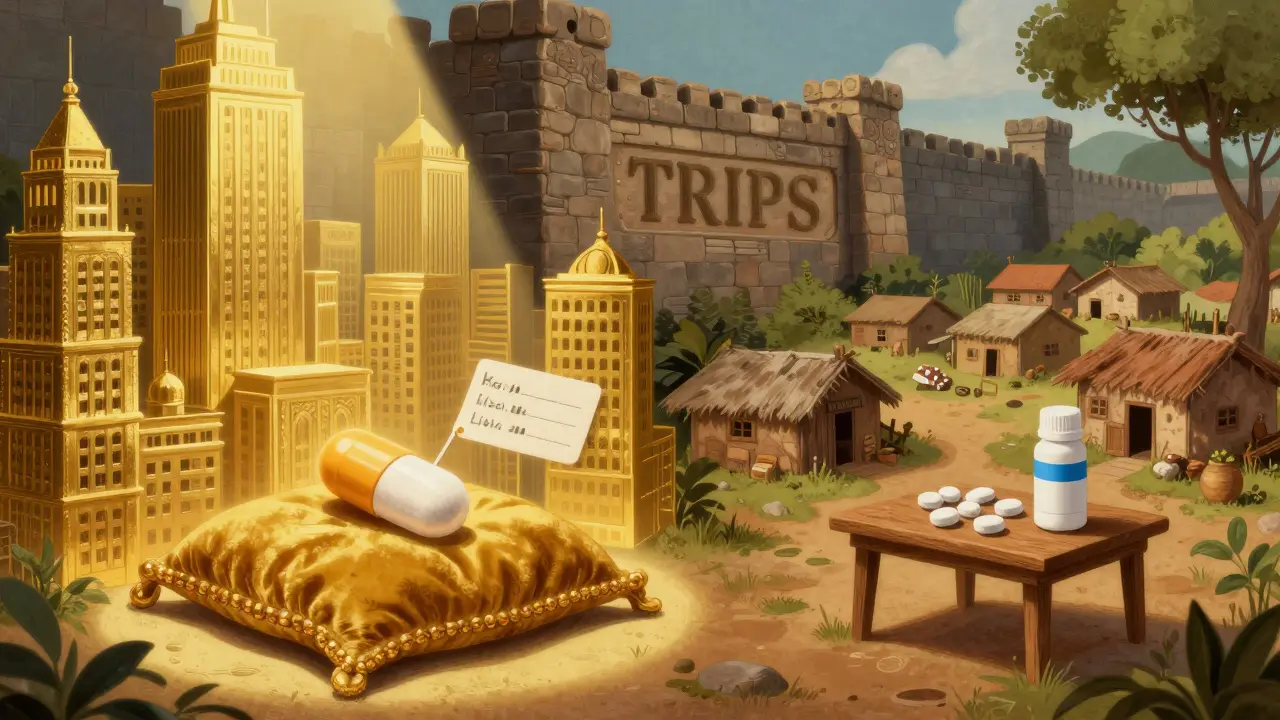
Imagine a world where a life-saving pill costs $10,000 for one person but only $87 for another, simply because of where they live. This isn't a hypothetical scenario; it's the daily reality created by a complex web of international laws. At the heart of this struggle is the TRIPS Agreement is a comprehensive international legal agreement administered by the World Trade Organization (WTO) that sets minimum standards for intellectual property protection across member states. While it was designed to encourage innovation by protecting inventors, it has often acted as a wall blocking poor countries from accessing affordable, generic versions of essential medicines.
The Basics: How TRIPS Changes the Game
Before the TRIPS Agreement took effect on January 1, 1995, many countries had their own rules about patents. For instance, India didn't grant patents for the actual pharmaceutical products, only for the process used to make them. This allowed local companies to find new ways to manufacture existing drugs, leading to generics that cost as little as 5% to 10% of the brand-name price. TRIPS ended that era by mandating a minimum of 20 years of patent protection for pharmaceutical products worldwide.
When a company holds a patent, they have a legal monopoly. They can set the price as high as the market will bear. For wealthy nations, this is a manageable cost of innovation. But for low- and middle-income countries (LMICs), these prices are often impossible to meet. This is where the tension between "intellectual property rights" and the "right to health" becomes a legal battlefield.
Understanding TRIPS Flexibilities
Recognizing that strict patents can kill people in a crisis, the WTO created "flexibilities." The most famous of these is the Doha Declaration is a 2001 WTO agreement affirming that the TRIPS Agreement should be interpreted in a manner supportive of public health needs. It essentially says that public health crises are national emergencies, and countries have the right to take special measures to protect their people.
The most powerful tool in this toolkit is Compulsory Licensing is a legal mechanism where a government allows someone else to produce a patented product without the consent of the patent owner. If a drug is too expensive or unavailable, a government can issue a license to a generic manufacturer. However, doing this isn't as simple as signing a piece of paper. It often triggers fierce political and economic retaliation from the country where the drug company is based.
| Mechanism | Control | Speed | Common Barriers |
|---|---|---|---|
| Voluntary Licensing | Patent Holder | Moderate | Limited to specific countries/diseases |
| Compulsory Licensing | Government | Slow | Political pressure, legal threats |
| Article 31bis | WTO Framework | Very Slow | Extreme administrative complexity |
The Rwanda Case: A Warning Tale of Article 31bis
One of the biggest flaws in the original TRIPS rules was that compulsory licenses were meant for the "domestic market." If a country didn't have its own factories to make drugs, a compulsory license was useless. To fix this, the WTO introduced the Article 31bis is an amendment to the TRIPS Agreement allowing countries with insufficient manufacturing capacity to import generic medicines produced under a compulsory license in another country.
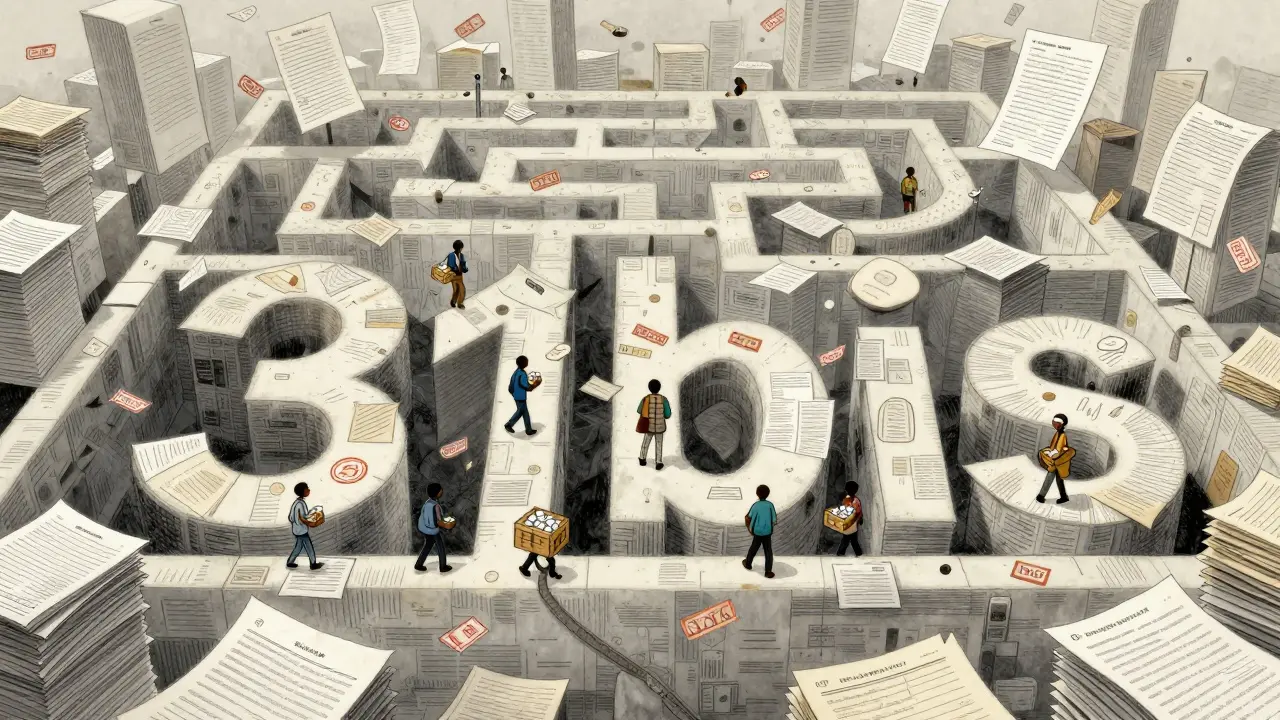
In theory, this sounds great. In practice, it's a nightmare. Consider Rwanda. In 2012, Rwanda successfully imported generic HIV medicine from Canada's Apotex Corporation using this system. While it was a victory, it took four years of grueling negotiations and technical help from organizations like Médecins Sans Frontières (MSF) to complete. The process involved 78 different steps and massive amounts of paperwork. Because of the complexity, the final price was still 30% higher than if Rwanda had just been able to make the drug themselves. This single case is often cited by legal experts as proof that the system is fundamentally broken.
The Rise of 'TRIPS-Plus' and Trade Pressure
While the WTO provides some flexibility, many wealthy nations use bilateral trade agreements to claw those rights back. These are known as TRIPS-plus is provisions in trade agreements that go beyond the minimum standards of TRIPS, often extending patent terms or restricting generic entry.
For example, a trade deal might extend a patent beyond 20 years or prevent regulators from approving a generic drug while the patent is still active. These rules don't just delay generics; they cost lives. Research suggests that these provisions reduce potential savings from generic competition by billions of dollars annually across dozens of LMICs. When a country tries to resist these rules, they often find themselves on "Priority Watch Lists" or facing trade sanctions. Thailand, for instance, saw its export benefits slashed after issuing compulsory licenses for heart and cancer medications.
Real-World Impact: Successes and Failures
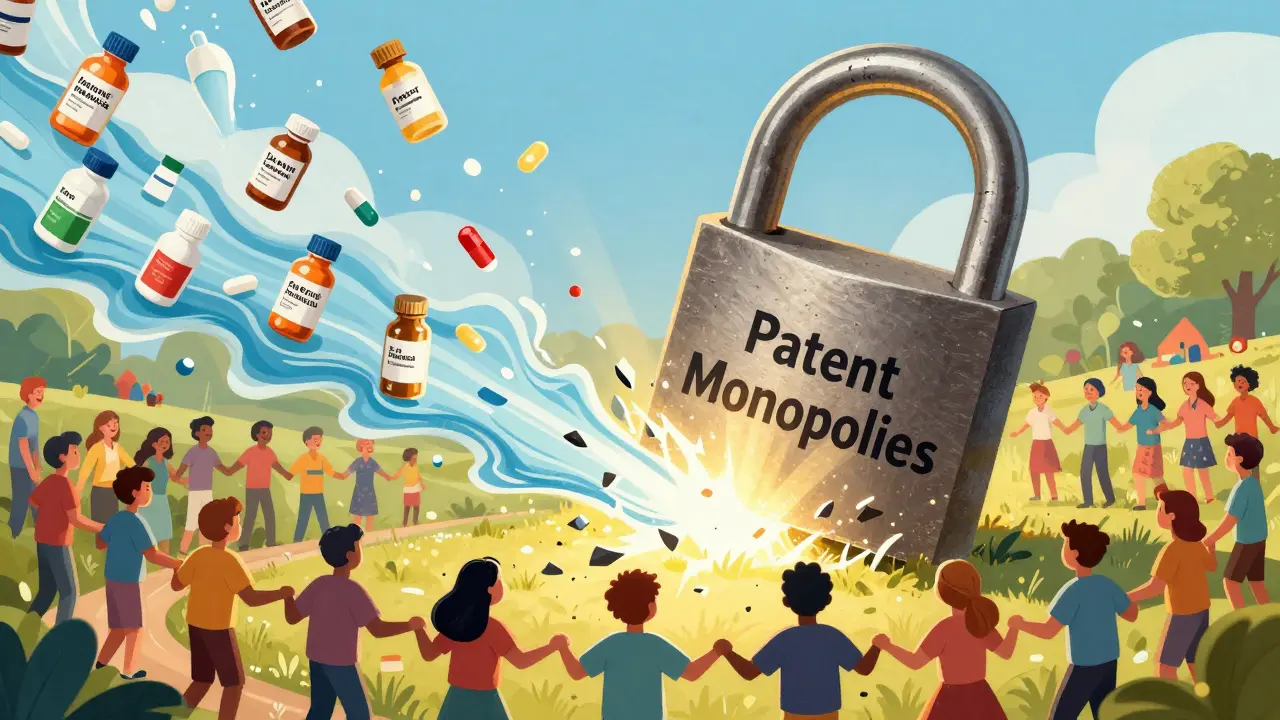
Despite the hurdles, some countries have fought back effectively. South Africa's battle in the late 90s is legendary. After passing a law to allow parallel imports of HIV meds, they were sued by 39 pharmaceutical giants. Global protests eventually forced the companies to drop the suit, which crashed the cost of antiretroviral treatment from $10,000 per patient to just $87 by 2008.
However, the scale of the problem remains massive. The WHO estimates that 2 billion people still lack regular access to essential medicines. In LMICs, patent barriers contribute to about 80% of this gap. Even the Medicines Patent Pool is a UN-backed public health organization that manages a pool of patents to facilitate the development of generic medicines. While the MPP has helped get HIV drugs into 118 countries, its coverage is limited to a tiny fraction of all patented medicines globally.
The Future of Global Health Law
The COVID-19 pandemic forced the world to look at TRIPS with fresh eyes. India and South Africa pushed for a wide-reaching waiver to allow the production of vaccines and treatments without patent restrictions. While the WTO eventually agreed to a partial waiver for vaccines in 2022, it stopped short of covering therapeutics and diagnostics.
The conversation is now shifting toward "human rights due diligence." Some of the world's largest pharma companies are starting to incorporate these policies into their strategies. But a voluntary "goodwill" approach isn't a substitute for a legal framework that prioritizes people over profits. Without real reform to the TRIPS Agreement, the UNDP warns that the gap in medicine access could widen to affect 3.2 billion people by 2030.
What exactly is the TRIPS Agreement?
TRIPS stands for Trade-Related Aspects of Intellectual Property Rights. It is a WTO agreement that forces member countries to provide a minimum level of protection for intellectual property, including a 20-year patent term for pharmaceutical drugs. This ensures that inventors can recoup their research costs by controlling the price and supply of their drugs.
How do generic medicines lower costs?
Generics are copies of brand-name drugs that use the same active ingredients. Because generic manufacturers don't have to pay for the initial research and development (which the patent holder already did), they can sell the drug at a fraction of the original price-sometimes 90% to 95% cheaper.
What is a compulsory license?
A compulsory license happens when a government decides that a patented drug is too expensive or not available in enough quantity. The government allows a local company to produce the drug without the patent holder's permission, usually in exchange for a small royalty payment to the original company.
Why don't all poor countries just use these flexibilities?
Many countries fear "trade retaliation." Powerful nations may threaten to impose sanctions, remove trade preferences, or sue the government in international courts. Additionally, the administrative process of proving a public health emergency to the WTO is incredibly complex and requires legal expertise that many small governments lack.
What are TRIPS-plus provisions?
TRIPS-plus are extra-strict intellectual property rules found in bilateral trade deals rather than WTO agreements. They might extend patent lives beyond 20 years or make it harder for generic companies to get regulatory approval, effectively prolonging the monopoly of the brand-name drug company.