
Prescription Drug Risks: What You Need to Know Before Taking That Pill
When you pick up a prescription drug, a medication approved by health authorities for treating specific conditions, often requiring a doctor’s order. Also known as controlled medication, it’s meant to help—but it’s not harmless. Even if it’s been prescribed by your doctor, every pill carries hidden dangers: interactions with other drugs, side effects you weren’t warned about, or long-term damage you won’t notice until it’s too late.
One of the biggest drug interactions, when two or more medications react in ways that change their effects, sometimes dangerously happens between common over-the-counter cold medicines and antidepressants like MAOIs. A simple Sudafed can spike your blood pressure to life-threatening levels. Or take generic drug safety, the reliability and quality of lower-cost versions of brand-name medications—just because it’s cheaper doesn’t mean it’s always safe. Poor manufacturing in overseas labs has led to recalls of generics with incorrect doses or toxic contaminants. And then there’s high-risk medications, drugs that are especially dangerous for older adults, including those that cause dizziness, confusion, or falls. Many seniors take these without realizing how much they increase their chance of ending up in the hospital.
Storing pills in the bathroom? That’s a bad idea. Heat and humidity can break down active ingredients, making your medicine useless—or worse, harmful. Taking folic acid during pregnancy? Fine—but not if you’re also on methotrexate. That combo can cause serious birth defects. Even herbal supplements like goldenseal can interfere with your diabetes meds, throwing your blood sugar out of control. These aren’t rare cases. They happen every day because people assume "it’s just a pill" and don’t ask the right questions.
You don’t need to be a pharmacist to protect yourself. You just need to know what to look for. Below, you’ll find real stories and clear facts about the hidden dangers of common prescriptions—from oral chemo to immunosuppressants, from nasal sprays to thyroid meds. These aren’t warnings you’ll find on a drug label. They’re the things your doctor might not have time to explain. And they could save you from a trip to the ER.
6
Dec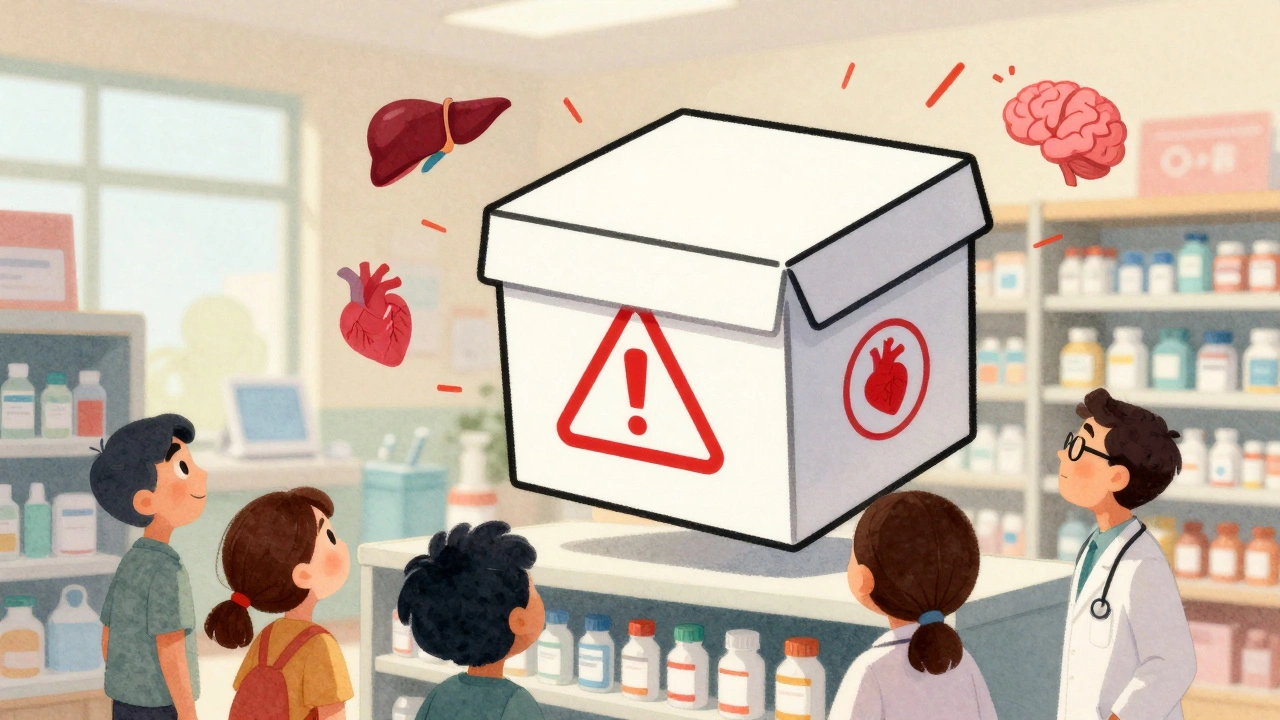
Annual Boxed Warnings Summary: What Changed and Why It Matters
The FDA issued 47 new or updated boxed warnings in 2024, making drug safety alerts more specific and data-driven. These changes impact prescribing, patient outcomes, and how risks are communicated across healthcare.
READ MORE© 2026. All rights reserved.