
Prescription Costs: What You Really Pay and Why It’s Not What You Think
When you pick up a prescription, you see a price on the receipt—but that number doesn’t tell the whole story. Prescription costs, the amount patients pay out-of-pocket for medications, often reflect hidden layers of pricing controlled by middlemen, not pharmacies or doctors. Also known as drug pricing, this system is built on rebates, spread pricing, and contracts that rarely benefit the person holding the pill bottle. Most people assume generics are cheap because they’re off-patent, but what you pay at the counter has little to do with what the pharmacy actually paid for them. The real cost is buried in the deal between your insurance plan, the pharmacy benefit manager (PBM), and the drug manufacturer.
Generic drug costs, the price of FDA-approved copies of brand-name drugs after patent expiration. Also known as off-patent medications, these are supposed to slash expenses—but they often don’t. Why? Because PBMs collect secret rebates from drugmakers, then pass only part of that savings to you. Sometimes, they even charge you more than the brand version because the rebate structure makes it profitable for them to do so. Meanwhile, insurance payments for generics, the amount insurers reimburse pharmacies after rebates are deducted. Also known as net drug payments, these figures are rarely shared with patients, even though they determine how much you owe. You’re told you’re saving money, but the system is designed so that the more you use, the more the middlemen profit.
And it’s not just about price tags. Pharmacy benefit managers, companies that manage drug benefits for insurers and employers, acting as middlemen between pharmacies, drugmakers, and patients. Also known as PBMs, these firms control which drugs are covered, how much pharmacies get paid, and what you pay at checkout. They negotiate rebates that can be over 50% of the drug’s list price—but you never see that money. Some PBMs even own pharmacies, creating a conflict of interest: they push you to use their own stores, even if the price is higher than a local one. Drug rebates, payments from manufacturers to PBMs in exchange for preferred placement on insurance formularies. Also known as retroactive discounts, these are the hidden engine behind the whole system. They reward volume over value, which is why you’ll see the same drug priced differently at different pharmacies—even within the same city.
What does this mean for you? You’re not getting the deal you think you are. A $4 generic might cost the pharmacy $1 after rebates, but your copay is still $10 because the PBM keeps the difference. You’re paying for a system that rewards complexity, not transparency. The good news? You’re not powerless. Knowing how these pieces connect helps you ask the right questions—like whether your pharmacy is owned by your insurer, or if you can switch to a mail-order option that actually lowers your out-of-pocket cost. The posts below dig into every layer: how insurance really pays for generics, why authorized generics delay real competition, how GDUFA laws changed approval times, and what you can do to cut through the noise. This isn’t about theory. It’s about your next prescription—and what you actually owe.
4
Dec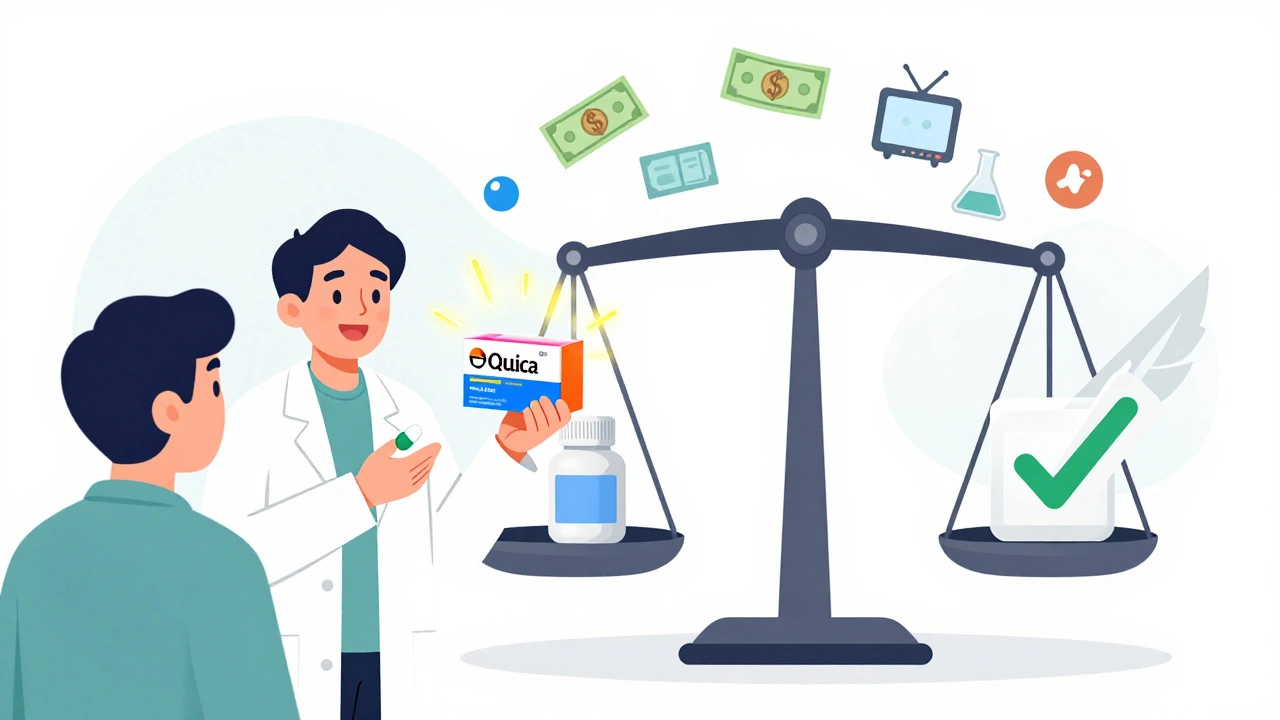
Why Generic Medications Cost Less for Patients and Insurers
Generic medications cost far less than brand-name drugs because they skip expensive research and marketing. Learn how competition, FDA rules, and smart shopping lead to massive savings for patients and insurers.
READ MORE© 2026. All rights reserved.