
Pharmacy Benefit Managers: How They Control Your Drug Costs and Choices
When you pick up a prescription, you might not realize that a pharmacy benefit manager, a middleman between drug makers, insurers, and pharmacies that negotiates prices and sets coverage rules. Also known as PBM, it holds more power over your medication costs than your doctor or pharmacist. PBMs don’t sell drugs—they control who gets access, at what price, and through which pharmacy. If you’ve ever been told your drug isn’t covered, or that you have to switch to a cheaper version, that’s a PBM decision.
PBMs work by creating lists called formularies—these are the drugs insurers agree to pay for. But here’s the catch: they often favor drugs that pay them the biggest rebate, not necessarily the best one for you. A brand-name drug might be on the list because the maker paid the PBM a cut, while a cheaper generic sits in a higher cost tier. This is why you might pay $50 for a drug that costs $10 to make. insurance coverage, the system that determines which medications your plan will pay for, often shaped entirely by PBM rules doesn’t always mean affordable care—it means compliant care. And when you use an online pharmacy, generic drugs, lower-cost copies of brand-name medications that must meet the same standards might be pushed to you not because they’re better, but because the PBM gets a bigger kickback from that particular supplier.
It’s not all bad. PBMs helped bring down prices for millions by negotiating bulk deals and pushing generics. But the system is full of hidden fees, secret rebates, and confusing tiers that make it hard to know what you’re really paying. Some PBMs even own pharmacies, creating conflicts where they steer you to their own stores—even if another one is closer or cheaper. You might think your insurance is saving you money, but the real savings often go to the PBM, not you.
The posts below break down exactly how this system works in real life. You’ll find guides on how insurance covers online pharmacy generics, what GDUFA means for drug approvals, how authorized generics delay true competition, and why some meds are priced unfairly. These aren’t theoretical debates—they’re stories from people who’ve been hit by PBM decisions. Whether you’re paying too much for insulin, stuck with a mail-order pharmacy you didn’t choose, or confused why your doctor’s prescription got denied, you’ll find answers here. No jargon. No fluff. Just what’s really happening behind the scenes.
28
Nov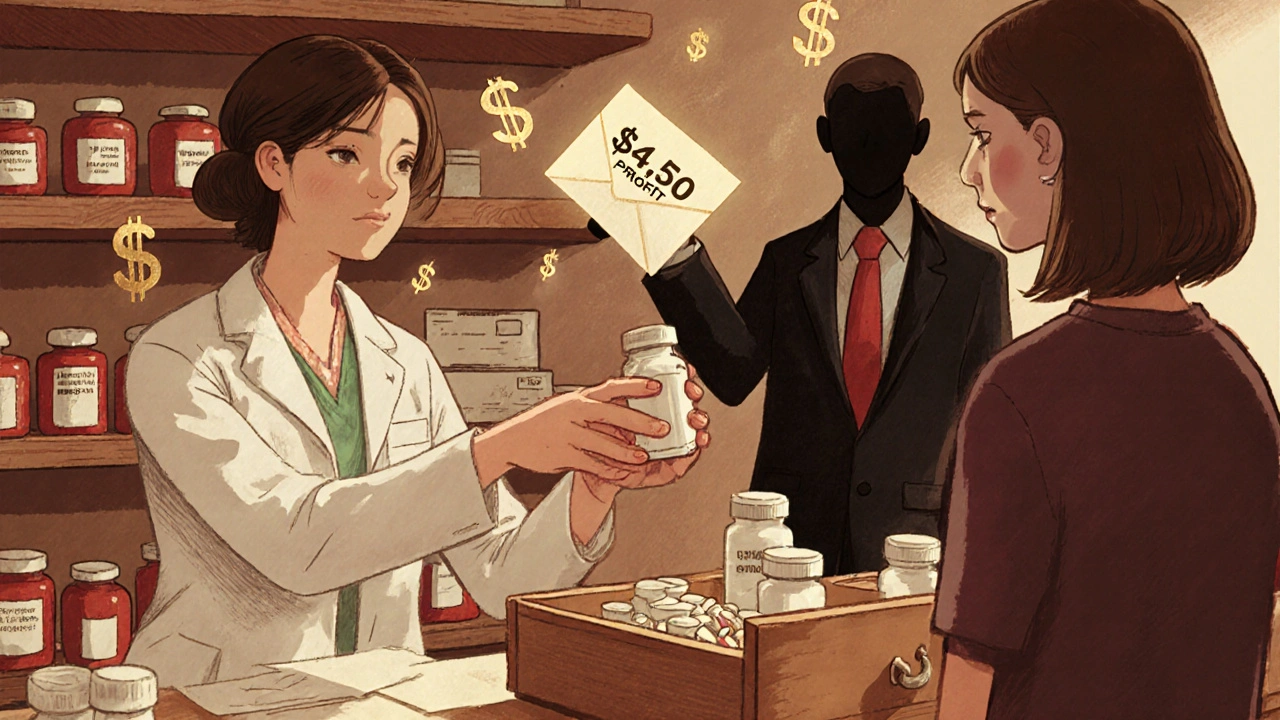
Negotiated rebates on generics: what insurance actually pays
Generic drugs are cheap-but what insurance actually pays isn't what you think. Hidden fees, spread pricing, and perverse incentives mean your plan may be overpaying while you're told you're saving money.
READ MORE© 2026. All rights reserved.