
PBM Spread Pricing: How Pharmacy Benefit Managers Control Drug Costs
When you pick up a prescription, you might think the price you pay is set by the pharmacy or the drug maker. But behind the scenes, a PBM spread pricing, a hidden pricing practice used by pharmacy benefit managers to profit from the difference between what they charge insurers and what they pay pharmacies. Also known as retail price arbitrage, it’s a major reason why your copay for a generic drug can be higher than the pharmacy’s actual cost. PBMs—pharmacy benefit managers—are middlemen hired by insurance companies to manage drug benefits. They negotiate prices with drug makers and pharmacies, but instead of passing savings along, many pocket the difference between what they bill insurers and what they pay pharmacies. This gap is called the spread, and it’s often invisible to patients.
This system affects generic drugs, low-cost versions of brand-name medications that are supposed to save patients money the most. For example, a PBM might charge your insurance $100 for a 30-day supply of metformin, pay the pharmacy $15, and keep $85 as profit. Meanwhile, you pay a $20 copay because your plan’s formulary lists the drug at $100. That’s not a discount—it’s a markup. And it’s not rare. A 2023 study found that over 60% of PBM contracts use spread pricing for generics, even when the drug costs less than the patient’s copay. That means you’re paying more than the drug is worth, and your insurer is paying more than it needs to.
It’s not just about money—it’s about trust. When PBMs control which drugs are covered, how much they cost, and where you can fill them, they hold a lot of power. Some PBMs even own their own pharmacies, creating a conflict of interest: they push you to use their pharmacy instead of a local one because they make more money that way. This is why insurance coverage, the system that determines how much you pay for medications through your health plan can feel confusing and unfair. You’re told you have coverage, but the real cost isn’t transparent. The same PBM that sets your copay might also be the one negotiating with your doctor’s preferred pharmacy, and you’re stuck in the middle.
That’s why the posts below matter. You’ll find real stories about how PBM spread pricing impacts your access to medications—like why your insulin copay jumped even though the drug’s price dropped, or how authorized generics are used to delay true competition. You’ll see how GDUFA rules and biosimilars are trying to fix the system, and why some patients end up paying more for the same drug just because of where it’s filled. These aren’t abstract policies—they’re daily realities for people managing chronic conditions, seniors on fixed incomes, and families trying to stretch every dollar. This collection cuts through the jargon and shows you exactly how the system works, who benefits, and what you can do about it.
28
Nov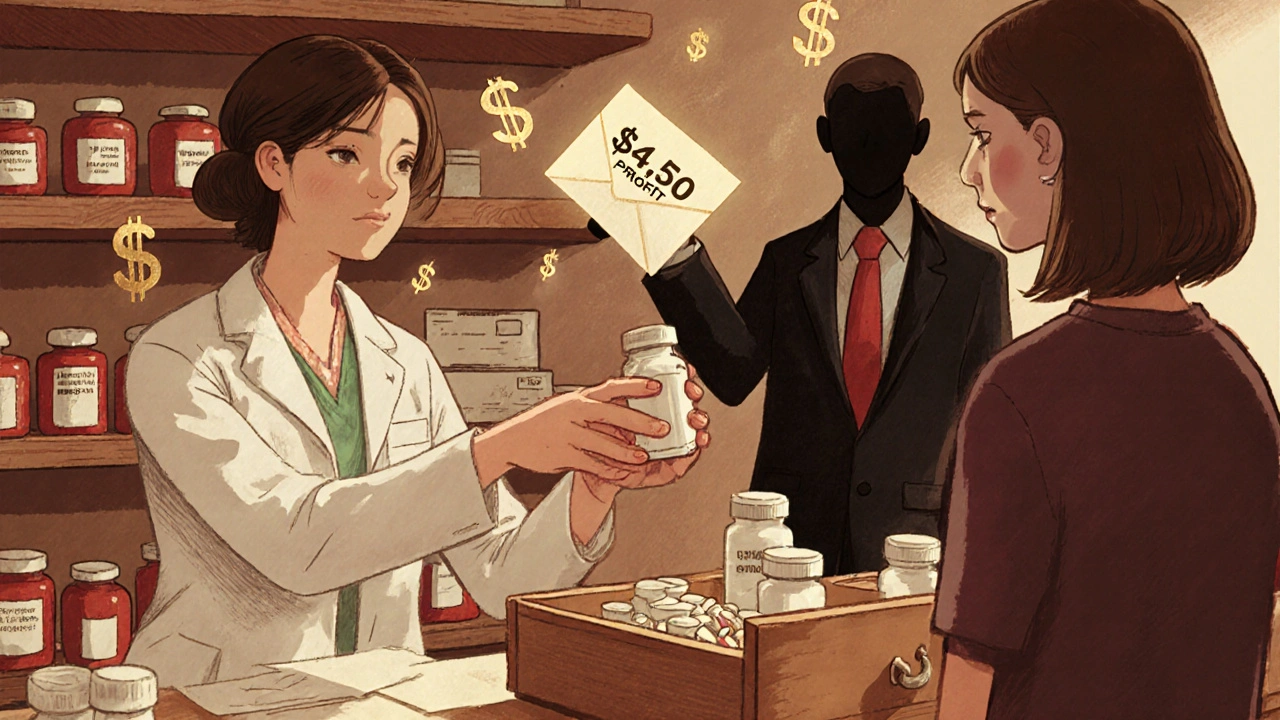
Negotiated rebates on generics: what insurance actually pays
Generic drugs are cheap-but what insurance actually pays isn't what you think. Hidden fees, spread pricing, and perverse incentives mean your plan may be overpaying while you're told you're saving money.
READ MORE© 2026. All rights reserved.