
Patent Expiration: What Happens When Drug Monopolies End
When a drug’s patent expiration, the legal end of a pharmaceutical company’s exclusive right to sell a brand-name drug. Also known as drug patent cliff, it’s the moment when other manufacturers can legally make and sell the same medicine at a fraction of the cost. This isn’t just a legal footnote—it’s the moment millions of patients suddenly get access to affordable versions of drugs they couldn’t afford before. Think of it like a dam breaking: once the patent runs out, dozens of companies rush in to produce generic versions, and prices drop by 80% or more within months.
Patent expiration directly connects to generic drugs, chemically identical versions of brand-name medications approved by the FDA after the original patent expires. These aren’t cheap knockoffs—they’re exact copies, tested and cleared by the same agency that approved the original. The FDA approval, the official process that ensures generic drugs meet the same safety and effectiveness standards as brand-name drugs. is faster for generics because they don’t need to repeat expensive clinical trials. That’s why drugs like Lipitor and Nexium became affordable within months of their patents expiring. For complex drugs like Humira, the process is trickier—biosimilars, highly similar versions of biologic drugs made from living cells, not chemicals. had to wait even longer, but they’re now cutting costs for autoimmune patients by up to 70%.
What you might not realize is that patent expiration isn’t just about price. It’s about timing, strategy, and access. Some companies try to delay it with minor reformulations or legal tricks—called evergreening—but regulators are catching on. When a patent expires, pharmacies and insurers push generics hard because they save money. And when those savings hit the system, more people get treated. You’ll find posts here that dig into how GDUFA sped up generic reviews, how biosimilars are changing the game for biologics, and why some generic drugs still face quality issues due to overseas manufacturing flaws. You’ll also see how insurance coverage for online pharmacy generics changed in 2025, and how drug recalls sometimes spike right after patent expiration when new makers enter the market.
Whether you’re paying out of pocket, on insurance, or helping an elderly parent manage medications, patent expiration is the quiet force that makes affordable care possible. The posts below show you exactly how it works in practice—what happens when a drug loses its monopoly, who wins, who loses, and how to make sure you get the best deal when the patent runs out.
27
Jan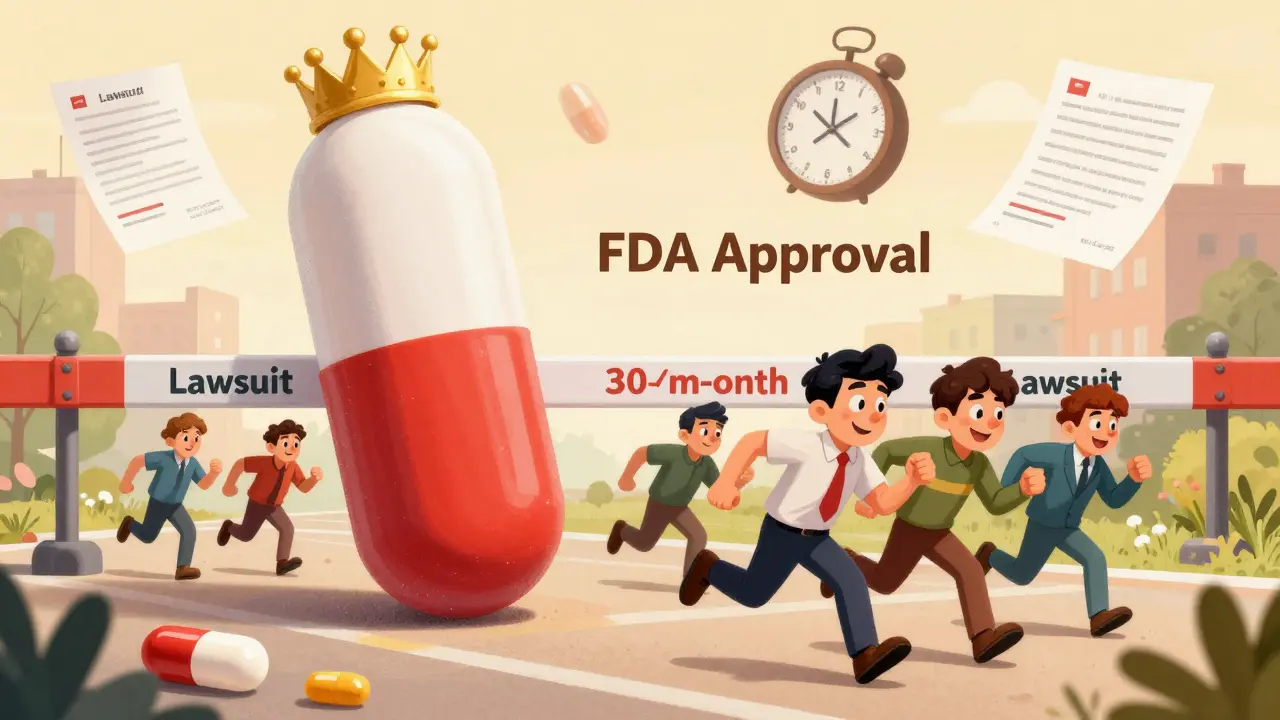
Predicting Generic Entry: How to Forecast When Your Drug Will Face Generic Competition
Learn how to predict when generic drugs will enter the market after patent expiration. Understand the legal, regulatory, and market forces that determine timing-and how to plan for revenue loss before it hits.
READ MORE24
Nov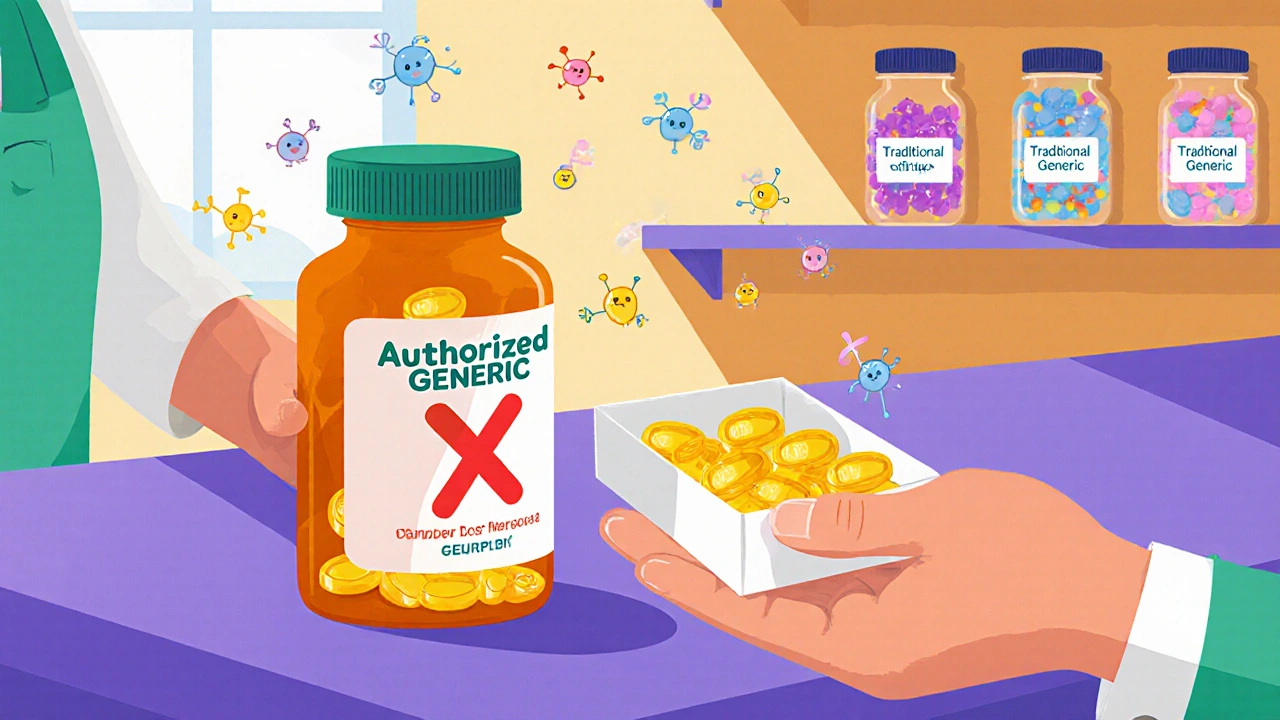
Authorized Generics: How Brand Drug Companies Respond to Patent Expiration
Authorized generics are brand-name drugs sold without the brand label after patent expiration. They offer identical ingredients to the original, lower prices, and fewer side effects-but they also delay true generic competition. Here’s how they work and what they mean for patients.
READ MORE© 2026. All rights reserved.