
Oral Chemotherapy: What It Is, How It Works, and What You Need to Know
When you hear oral chemotherapy, cancer treatment delivered as pills or liquids taken by mouth instead of through an IV. Also known as chemotherapy tablets, it gives patients more control over their treatment—no more weekly clinic visits for infusions. But this convenience comes with serious responsibility. Unlike IV chemo, where nurses control the dose and timing, oral chemotherapy puts the full burden of accuracy on you. Miss a dose, take it with the wrong food, or store it wrong, and the treatment can fail—or cause harm.
Oral chemotherapy isn’t one thing—it’s a group of drugs designed to kill fast-growing cancer cells. Common ones include capecitabine, a pill that turns into 5-FU, a classic chemo drug, inside the body, temozolomide, used for brain tumors and known for crossing the blood-brain barrier, and lenalidomide, an immune-modulating drug often used in multiple myeloma. These aren’t like regular pills. They’re powerful, toxic, and require exact timing. Some must be taken on an empty stomach. Others need to avoid sunlight or certain foods. A single mistake can reduce effectiveness or trigger dangerous side effects like low blood counts, nausea, or nerve damage.
People often assume oral chemo is safer because it’s not injected. But that’s misleading. The risks are different, not lower. You’re handling a drug that can harm others too—especially kids or pregnant people—through skin contact or bodily fluids. That’s why proper storage and disposal matter. You can’t just leave it in the bathroom like your vitamins. Heat and moisture break down the active ingredients, making them useless. And flushing them down the toilet? That pollutes water supplies. Many patients don’t know that returning unused pills to the pharmacy or using take-back programs is the only safe way to get rid of them.
Side effects from oral chemo can sneak up on you. Fatigue, mouth sores, or diarrhea might seem like minor issues, but they can signal something serious if ignored. That’s why tracking symptoms and knowing when to call your doctor is part of the treatment. Some drugs interact badly with common supplements—like St. John’s wort or even high-dose vitamin C—which can block absorption or make toxicity worse. You might not realize your fish oil or turmeric supplement is interfering until your tumor starts growing again.
What you’ll find in the posts below isn’t just a list of facts. It’s real-world guidance from people who’ve walked this path. You’ll learn how to store your pills safely, why generic versions aren’t always interchangeable, how insurance can mess with your access, and what to do when side effects hit hard. These aren’t theory pieces—they’re practical, tested tips from patients and clinicians who’ve seen what works and what doesn’t. Whether you’re starting oral chemo, already on it, or supporting someone who is, this collection gives you the clear, no-fluff facts you need to stay safe and in control.
5
Dec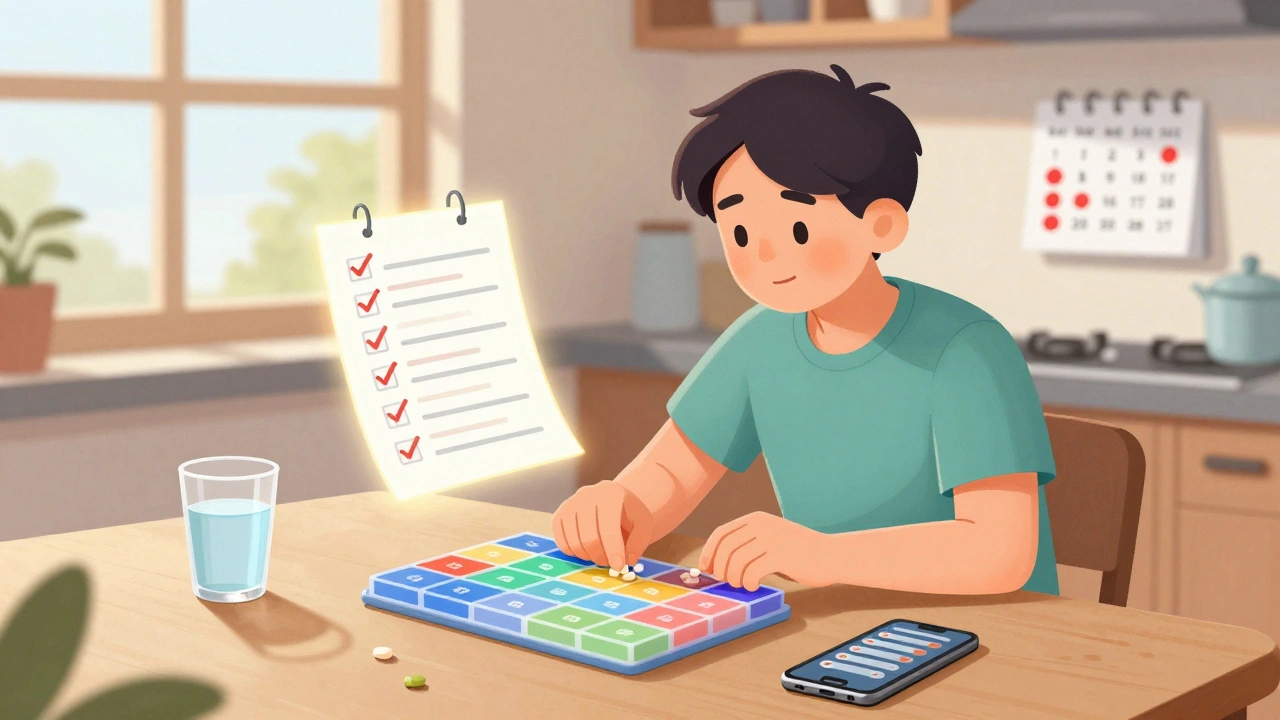
Oral Chemotherapy: How to Stay on Track, Avoid Dangerous Side Effects, and Stay Safe at Home
Oral chemotherapy offers convenience but comes with hidden risks. Learn how to take it safely, avoid dangerous side effects, and stay on track with your treatment plan at home.
READ MORE© 2026. All rights reserved.