
Insurance Payments for Generics: What You Really Get and How to Save
When you pick up a generic drug, a non-brand version of a medication that contains the same active ingredient as the original. Also known as generic medication, it's often just as effective but costs a fraction of the brand-name version. But here’s the catch: just because it’s cheaper doesn’t mean your insurance always makes it easy to get. Insurance payments for generics aren’t always straightforward—they’re shaped by pharmacy benefit managers, formulary tiers, and sometimes, clever tactics from drug companies trying to keep you on the pricier brand.
Many plans treat generics like a default option, but not all generics are treated the same. Some insurers put certain generics in higher cost tiers, forcing you to pay more out-of-pocket—even when the drug is chemically identical to the cheaper version. Why? Because of pharmacy benefit managers, third-party companies that manage drug benefits for insurers and employers, deciding which drugs get covered and at what price. They often negotiate rebates with brand-name makers, which can make it financially smarter for the plan to cover the expensive brand over the generic. And if you’re not checking your explanation of benefits, you might be paying more than you should.
Then there’s mail-order vs. local pharmacy. Some insurers push you to use mail-order for 90-day supplies of generics, promising lower copays. But if you need a refill sooner, or your local pharmacy has a better deal, you might be stuck paying more just because you didn’t follow their script. And don’t forget authorized generics—those are brand-name drugs sold under a different label after the patent expires. They’re not true generics, but insurers sometimes treat them like they are, confusing patients about what’s really cheaper.
And here’s something most people don’t realize: generic drug quality issues, while rare, do happen. When manufacturing plants fail inspections, recalls follow. Your insurer might still cover the drug, but if you get a bad batch, you’re the one who suffers. That’s why knowing your options matters—not just for price, but for safety too.
What you’ll find below isn’t theory. It’s real stories and facts from people who’ve dealt with insurance denials, surprise copays, and confusing formularies. We cover how GDUFA laws changed generic approvals, why biosimilars are starting to shake up pricing, and how authorized generics delay true competition. You’ll see how online pharmacies fit into the picture—and whether your plan even covers them. This isn’t about marketing. It’s about making sure your insurance pays for what it promises—and that you’re not overpaying for something that should be cheap.
28
Nov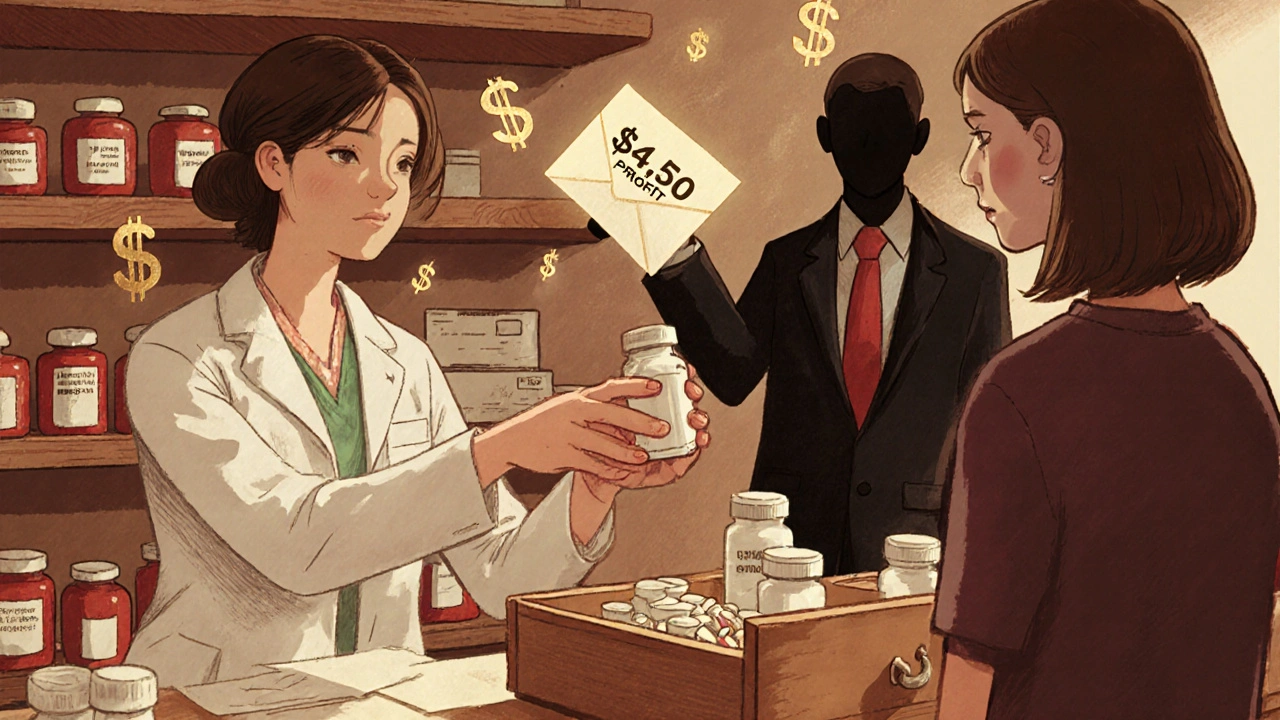
Negotiated rebates on generics: what insurance actually pays
Generic drugs are cheap-but what insurance actually pays isn't what you think. Hidden fees, spread pricing, and perverse incentives mean your plan may be overpaying while you're told you're saving money.
READ MORE© 2026. All rights reserved.