
Insulin and Beta-Blockers: What You Need to Know About Interactions and Risks
When you take insulin, a hormone therapy used to lower blood sugar in people with diabetes, and beta-blockers, a class of drugs used to treat high blood pressure, heart conditions, and sometimes anxiety at the same time, you’re dealing with a combination that can hide serious risks. These two medications don’t just sit side by side—they talk to each other, and not always in a way that’s safe. Beta-blockers can mask the warning signs of low blood sugar, like a fast heartbeat or shaking, leaving you unaware until it’s too late. Meanwhile, some beta-blockers can make insulin less effective or cause your blood sugar to swing unpredictably. This isn’t theoretical. Real patients have ended up in the ER because they didn’t know their heart rate wasn’t spiking—because the drug meant to protect their heart was hiding a life-threatening drop in sugar.
It’s not just about the drugs themselves. It’s about how they fit into your body’s bigger system. blood sugar control, the process of keeping glucose levels within a healthy range becomes harder when beta-blockers interfere with your body’s natural response to low glucose. People with diabetes who take beta-blockers often report sudden fatigue, confusion, or dizziness—and they blame it on stress or aging, not their meds. And if you’re on insulin, your dose might be adjusted based on how your body responds to food and activity. But if beta-blockers are hiding those signals, your doctor can’t see the full picture. That’s why monitoring isn’t just about checking your glucose meter—it’s about understanding what your body can’t tell you anymore. The FDA has flagged this interaction in multiple safety advisories, and studies show that up to 30% of diabetic patients on beta-blockers experience unexplained hypoglycemia episodes.
What makes this even trickier is that beta-blockers are common. They’re prescribed for heart disease, migraines, tremors, and even performance anxiety. And insulin? It’s one of the most widely used drugs in the world. So this isn’t a rare edge case—it’s a daily reality for thousands. The good news? You don’t have to choose between managing your heart and your sugar. There are alternatives. Some beta-blockers, like carvedilol, have less impact on blood sugar than others. And newer diabetes tools, like continuous glucose monitors, can alert you to drops even when your body can’t feel them. But you need to know what to ask for, what to track, and when to push back.
Below, you’ll find real-world stories and science-backed advice on how to navigate this exact mix of medications. From how to spot hidden low blood sugar to which beta-blockers are safer with insulin, and what your doctor might not tell you about drug rebates and generic versions—this collection cuts through the noise. You’re not just reading about drugs. You’re learning how to protect yourself while taking them.
7
Dec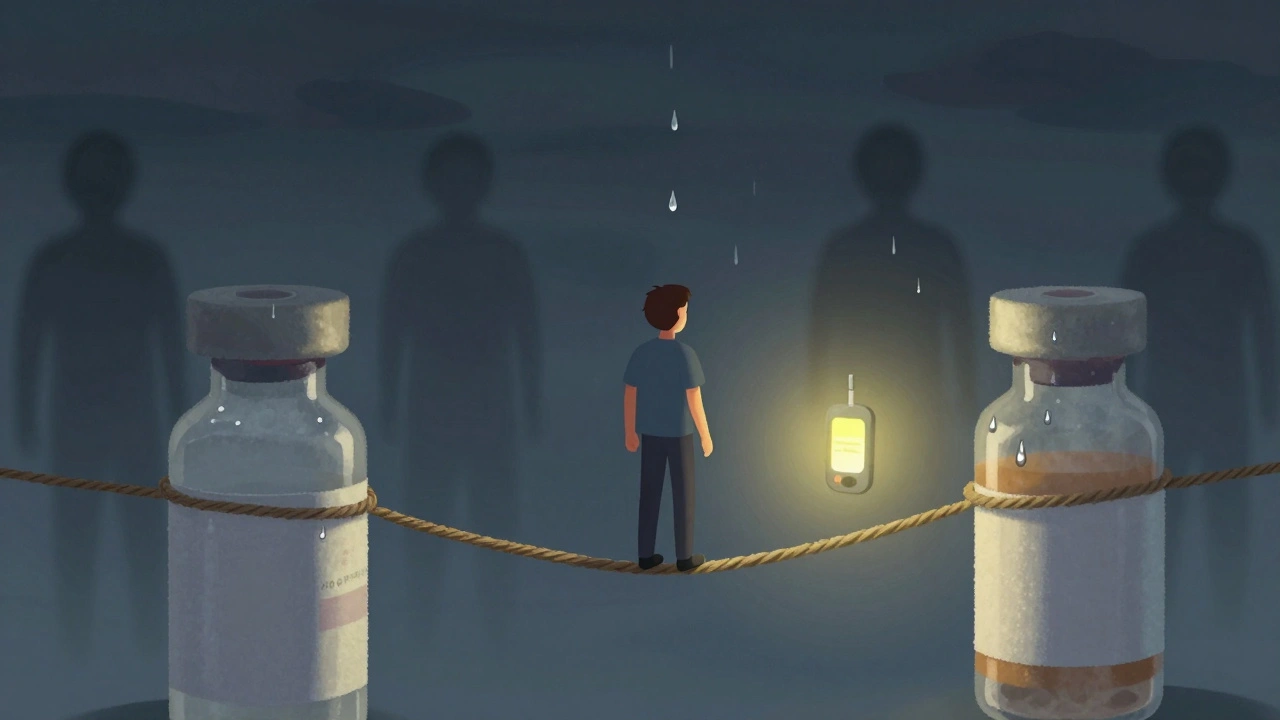
Insulin and Beta-Blockers: What You Need to Know About Hidden Hypoglycemia Risks
Combining insulin with beta-blockers can hide the warning signs of low blood sugar, increasing the risk of dangerous hypoglycemia. Learn how to stay safe with the right medication choices, monitoring, and key symptoms to watch for.
READ MORE© 2026. All rights reserved.