
Generic vs Brand Medications: What You Really Need to Know
When you pick up a prescription, you might see two options: the familiar brand name or a cheaper generic. But are they really the same? Generic drugs, medications that contain the same active ingredient as brand-name versions but are sold without the brand label after the patent expires. Also known as non-brand drugs, they’re required by the FDA to work the same way in your body—same dose, same route, same effect. But that’s where the simplicity ends. The truth? While most generics are identical in performance, there are quiet exceptions, hidden business moves, and manufacturing quirks that can affect what you actually get.
Brand name drugs, medications developed and marketed by pharmaceutical companies under a proprietary name, often protected by patents. Also known as originator drugs, they’re the ones you see advertised on TV, with sleek packaging and high price tags. But once the patent runs out, the market opens up—and that’s when things get messy. Some companies don’t just let generics take over. They launch their own authorized generics, the exact same drug as the brand, just sold under a different label at a lower price. This isn’t a discount—it’s a strategy to delay competition from independent generic makers. Then there are biosimilars, complex versions of biologic drugs like Humira or Herceptin, designed to be highly similar but not identical due to their biological nature. Unlike simple chemical generics, biosimilars require more testing and cost more, but they’re still cheaper than the original. You might think generics are always cheaper, but insurance rebates, pharmacy benefit manager fees, and spread pricing can make the ‘discounted’ generic cost more than you expect.
Some people swear their brand works better. Sometimes, it’s placebo. Other times, it’s real: inactive ingredients in generics can vary, and for sensitive patients—like those with allergies or severe chronic conditions—that can make a difference. A pill’s fillers might cause stomach upset in one person but not another. The FDA says generics must be bioequivalent, but bioequivalence doesn’t always mean identical experience. And when you hear about recalls from overseas manufacturing plants? That’s not just a brand problem—it’s a generic problem too.
So what should you do? Don’t assume all generics are equal. Ask your pharmacist if your generic is made by the same company as the brand. Check if it’s an authorized generic—those are exact copies. If you’re on a sensitive medication like thyroid pills, blood thinners, or seizure drugs, pay attention to how you feel after switching. And if your insurance pushes a generic that makes you feel worse? Speak up. You have the right to request the brand if it matters for your health.
Below, you’ll find real stories and deep dives into how these drugs actually work behind the scenes—from how rebates trick you into thinking you’re saving money, to why some generics cause side effects others don’t, and how biosimilars are changing the game for expensive biologics. This isn’t theory. It’s what’s happening in your medicine cabinet right now.
4
Dec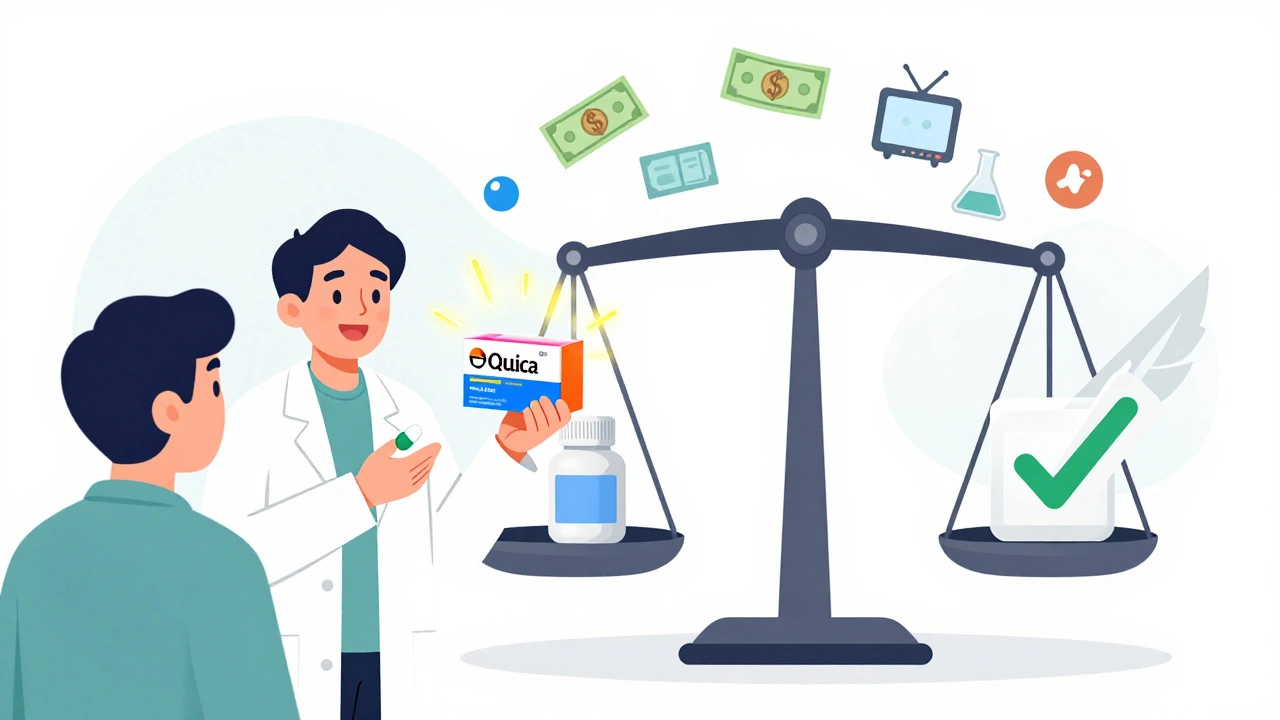
Why Generic Medications Cost Less for Patients and Insurers
Generic medications cost far less than brand-name drugs because they skip expensive research and marketing. Learn how competition, FDA rules, and smart shopping lead to massive savings for patients and insurers.
READ MORE© 2026. All rights reserved.