
Generic Drug Rebates: How Savings Work and What You Really Get
When you hear generic drug rebates, cash back or discounts offered by drug manufacturers to insurers or pharmacy benefit managers to lower the price of generic medications. Also known as manufacturer rebates, they’re a key part of how prescription drug costs get negotiated behind the scenes. But here’s the catch: these rebates don’t always mean lower prices for you at the pharmacy counter.
Most generic drugs, medications that contain the same active ingredients as brand-name drugs but are sold without the brand name after the patent expires. Also known as non-brand medications, it cost far less to produce than the original. Yet, the list price you see on your receipt can still be high because drugmakers and middlemen like pharmacy benefit managers (PBMs) make deals that shift the savings around. The rebate money often goes to insurers or PBMs, not directly to you. That’s why your copay might stay the same even when the drug’s wholesale price drops.
Some pharmacy rebates, discounts negotiated between drug manufacturers and pharmacies or insurers to encourage use of specific generic drugs. Also known as formulary incentives, it are built into your insurance plan’s formulary. If your plan pushes you toward a certain generic, you pay less—but only if you pick that one. Switch to another generic, even if it’s chemically identical, and your cost could jump. This isn’t about quality—it’s about contracts.
And here’s something most people don’t realize: rebates can actually delay true competition. When a brand-name company launches its own authorized generic, a version of the brand drug sold under a different label after patent expiry, often by the same manufacturer. Also known as brand generic, it at a lower price, it blocks other generics from gaining market share. The rebate money keeps flowing to the original maker, and you’re stuck with fewer choices—even if the drug is technically generic.
What you need to know is this: rebates are part of a system designed to manage costs for insurers, not necessarily to lower your bill. If you’re paying high copays for generics, ask your pharmacist if there’s a cheaper option not on your plan’s preferred list. Sometimes, paying cash beats using insurance. Or check if your pharmacy offers a discount program for common generics like metformin or lisinopril. You’re not stuck with whatever the rebate system gives you.
The posts below break down exactly how this system works—from how FDA rules affect generic availability, to why some drugs cost more even when they’re identical, to how insurance policies shape what you pay. You’ll find real examples of how rebates impact your wallet, what to ask your doctor or pharmacist, and how to spot when you’re being shortchanged. No fluff. Just what you need to take control of your prescription costs.
28
Nov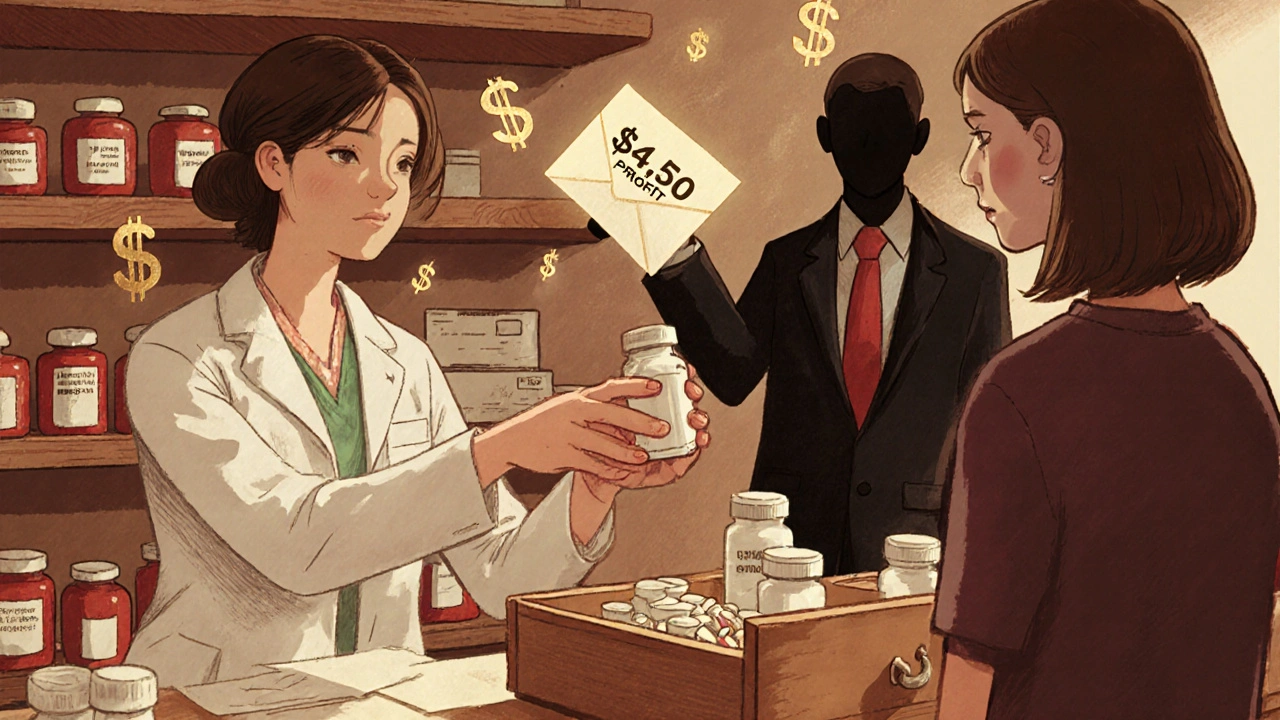
Negotiated rebates on generics: what insurance actually pays
Generic drugs are cheap-but what insurance actually pays isn't what you think. Hidden fees, spread pricing, and perverse incentives mean your plan may be overpaying while you're told you're saving money.
READ MORE© 2026. All rights reserved.