
Generic Drug Costs: What You Really Pay and Why It Matters
When you hear generic drug costs, the price of medications that contain the same active ingredients as brand-name drugs but are sold without the brand name. Also known as non-brand medications, they’re meant to save you money—often 80% less than the original. But not all generics work the same way, and not all savings reach your pocket.
Behind the scenes, the FDA GDUFA, a program that lets the FDA collect fees from generic drug makers to speed up approval reviews has cut approval times from years to months since 2012. That’s why more generics hit the market faster—but it also means more companies are competing to sell the same drug. Sometimes that drives prices down. Other times, it leads to shortages or companies making authorized generics, brand-name drugs sold under a different label after patent expiry, often by the same company that made the original. These aren’t cheaper versions—they’re the exact same pill, just without the brand name. They can delay true generic competition, keeping prices higher than they should be.
Then there’s the rise of biosimilars, the closest thing to generics for complex biologic drugs like Humira or Herceptin, which are made from living cells instead of chemicals. These aren’t simple copies. They’re highly similar, but not identical, and often cost more than traditional generics—even though they’re still cheaper than the original biologic. Insurance doesn’t always treat them the same way, and pharmacies might not automatically substitute them unless you ask.
So why do some generic pills cost $5 and others cost $50 for the same condition? It’s not about quality—most are made to the same FDA standards. It’s about who makes them, how many are competing, and whether the original drug maker is blocking the market. A drug made by 20 companies usually costs pennies. One made by two? You might pay half the brand price. And if the only option is an authorized generic? You could be paying more than you think.
You’ll find posts here that explain how GDUFA laws changed the game, how authorized generics confuse the market, and why biosimilars aren’t just cheap copies. There are also real stories about drug quality problems, insurance coverage issues, and how to spot when a "generic" isn’t really saving you anything. Whether you’re paying out of pocket or through insurance, knowing how these systems work helps you ask the right questions—and get the best price.
28
Nov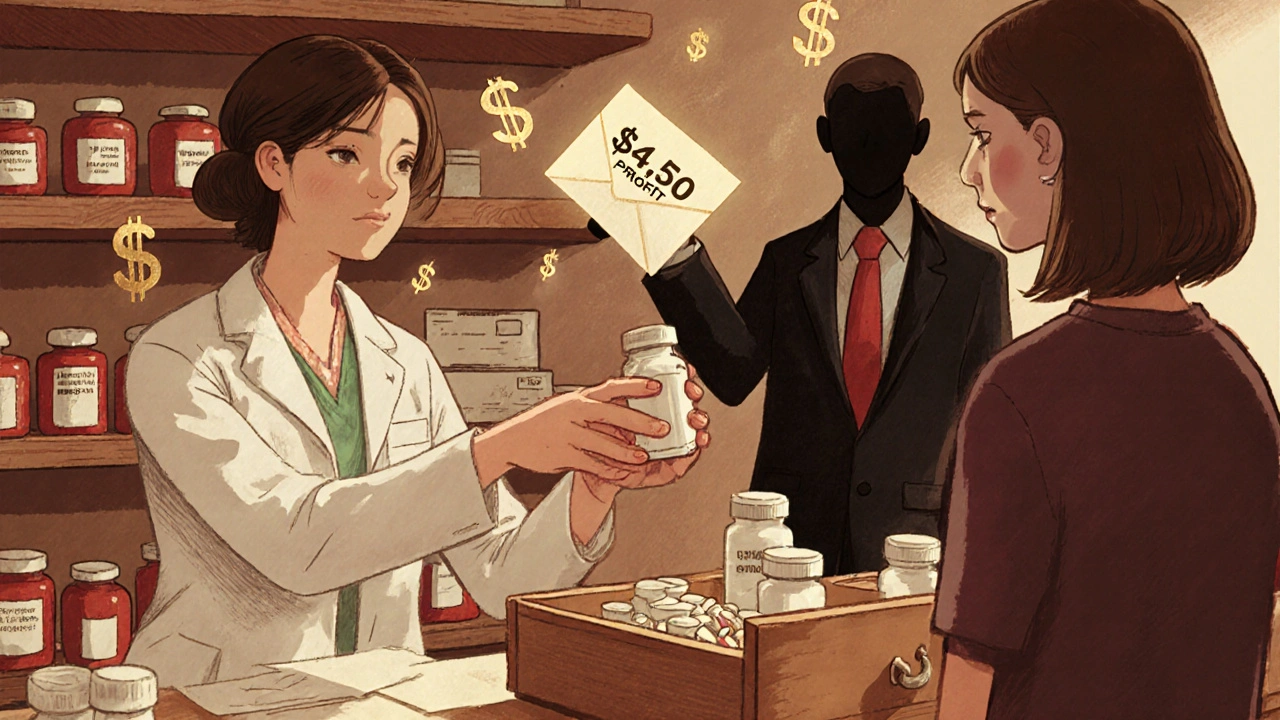
Negotiated rebates on generics: what insurance actually pays
Generic drugs are cheap-but what insurance actually pays isn't what you think. Hidden fees, spread pricing, and perverse incentives mean your plan may be overpaying while you're told you're saving money.
READ MORE© 2026. All rights reserved.