
FDA Regulatory Updates: What’s Changing in Drug Approvals and Safety Rules
When you hear FDA regulatory updates, the official changes made by the U.S. Food and Drug Administration to how drugs are reviewed, approved, and monitored for safety. Also known as FDA drug policy changes, these updates directly affect what medications reach shelves, how fast they get there, and whether they’re safe for everyday use. This isn’t bureaucracy—it’s the backbone of every pill you take, whether it’s a generic blood pressure drug or a new biologic for Crohn’s disease.
The GDUFA, the Generic Drug User Fee Amendments that let the FDA collect fees from generic manufacturers to speed up reviews has cut approval times from years to months since 2012. That means more affordable options hit the market faster. But it’s not just about speed. The biosimilars, highly similar versions of complex biologic drugs like Humira, approved after the original patent expires are now a major focus. These aren’t generics—they’re engineered to match biologics down to the molecular level, and the FDA’s rules around them are tightening to ensure they’re as safe as the originals. Meanwhile, authorized generics, brand-name drugs sold under a different label after patent expiry, often by the same company are being used to delay true generic competition, which can keep prices higher than they should be.
These updates aren’t just for pharmacists or lawmakers. They affect your copay, your access to medication, and even whether a drug you rely on gets pulled from shelves. The FDA’s recent focus on manufacturing quality—especially overseas plants—has led to more recalls of generic drugs due to cGMP violations. And with new rules on how pharmacies and insurers handle rebates, what you think you’re paying for a generic might not match what the system actually costs. You’ll find posts here that break down how GDUFA speeds up your access to cheaper meds, how biosimilars are changing treatment for autoimmune diseases, why authorized generics can trick you into thinking you’re saving money, and how manufacturing flaws in overseas labs have led to real-world risks. These aren’t abstract policies—they’re the invisible forces shaping your medicine cabinet right now.
6
Dec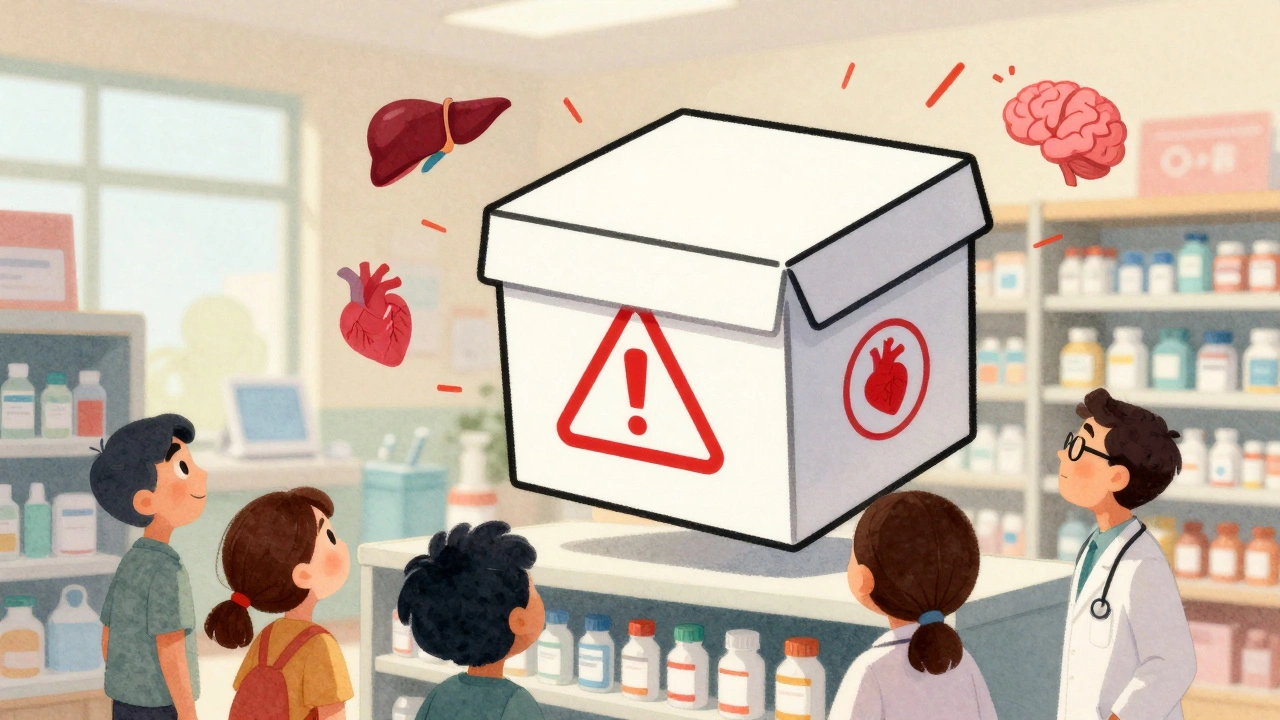
Annual Boxed Warnings Summary: What Changed and Why It Matters
The FDA issued 47 new or updated boxed warnings in 2024, making drug safety alerts more specific and data-driven. These changes impact prescribing, patient outcomes, and how risks are communicated across healthcare.
READ MORE© 2026. All rights reserved.