
FDA Drug Safety: What You Need to Know About Approved Medications and Risks
When you pick up a prescription or buy an over-the-counter pill, you trust that it’s been checked by the FDA drug safety, the U.S. agency that evaluates medicines for effectiveness and safety before they reach patients. Also known as Food and Drug Administration drug oversight, it’s the backbone of how we know whether a drug is safe to take at home. But FDA drug safety isn’t just about approval—it’s about ongoing monitoring. Drugs can be approved one year and pulled off shelves the next if new risks show up. That’s why recalls, manufacturing flaws, and hidden interactions matter just as much as the initial green light.
Behind every approved drug is a system of checks. The FDA inspects factories—sometimes overseas—where generics are made. Poor conditions can lead to contaminated or weak pills, which is why generic drug quality, how well a copycat medicine matches the brand in strength and performance is a constant concern. You might think generics are all the same, but not all plants follow cGMP violations, the strict manufacturing rules the FDA enforces to prevent errors. When those rules break down, people get sick. That’s why checking for recalls and knowing your pill’s lot number isn’t paranoia—it’s protection.
And it’s not just about the pills themselves. How you store them matters too. Keeping medicine in a humid bathroom or near a hot stove can turn a lifesaving drug into a useless—or dangerous—one. The FDA warns that improper medication storage, the way drugs are kept at home to maintain potency and avoid accidental poisoning can cause side effects or reduce effectiveness. Even something as simple as leaving a bottle in the car on a summer day can change how it works.
Then there are the hidden risks: drug interactions, especially in older adults or people on multiple prescriptions. The FDA tracks reports of harm from mixing common meds with supplements like goldenseal or herbal teas. These aren’t just theoretical dangers—they’ve sent people to the ER. That’s why knowing what your meds can and can’t mix with is part of FDA drug safety too.
Below, you’ll find real-world stories and practical guides on how these rules affect you. From how GDUFA speeds up generic approvals to why some recalls are quietly buried in fine print, these posts cut through the noise. You’ll learn how to spot fake recall alerts, understand why your insurance pays more than you think for generics, and what to do when a drug you rely on suddenly disappears from shelves. This isn’t theory—it’s what keeps you safe every time you open a pill bottle.
6
Dec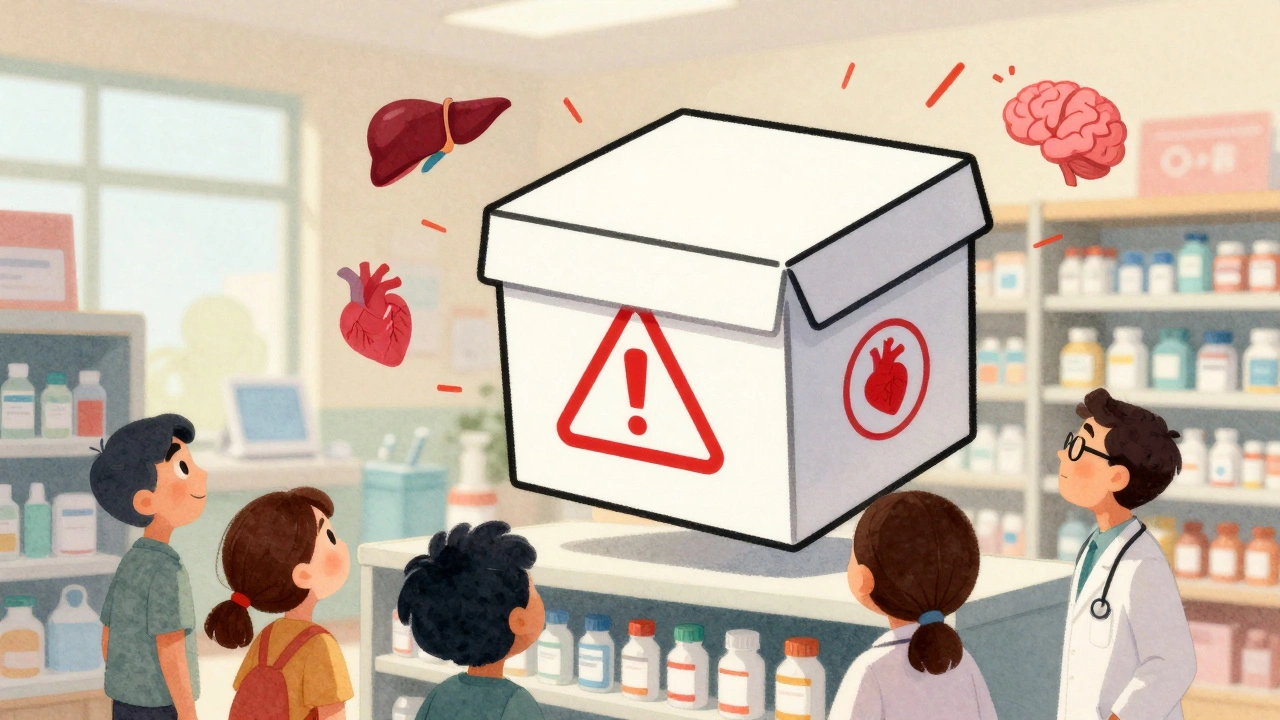
Annual Boxed Warnings Summary: What Changed and Why It Matters
The FDA issued 47 new or updated boxed warnings in 2024, making drug safety alerts more specific and data-driven. These changes impact prescribing, patient outcomes, and how risks are communicated across healthcare.
READ MORE© 2026. All rights reserved.