
Expired Medications: What Happens When Your Medicine Goes Bad
When you find an old bottle of pills in the back of your medicine cabinet, it’s easy to assume they’re still fine—after all, they’re just chemicals, right? But expired medications, drugs that have passed their manufacturer’s labeled expiration date. Also known as out-of-date pharmaceuticals, they don’t suddenly turn toxic the moment the date passes—but they do stop working the way they should. The FDA requires expiration dates based on real testing: how long a drug stays at least 90% potent under normal storage. After that? It’s a gamble. Some antibiotics might just not kill the infection. Others, like insulin or nitroglycerin, can fail in life-or-death moments.
It’s not just about effectiveness. pharmaceutical waste, unused or expired drugs that end up in landfills or flushed down toilets is a growing environmental problem. Studies show chemicals from degraded pills can leach into water systems, affecting fish and even drinking water. And then there’s the human risk: people taking old painkillers or antibiotics because they can’t afford new ones, or keeping leftover meds from past illnesses, thinking they’re saving money. That’s how you end up with antibiotic resistance or allergic reactions from degraded ingredients.
drug safety, the practice of using medications correctly to avoid harm isn’t just about following dosage instructions. It’s also about knowing when to throw something away. Liquid antibiotics, eye drops, and insulin are especially risky after expiration—they can grow bacteria or lose their chemical balance. Even pills like aspirin or ibuprofen can break down into acids that irritate your stomach. And don’t trust the myth that "if it looks fine, it’s safe." Mold, discoloration, or odd smells mean it’s time to dispose of it—no exceptions.
What about those "use-by" dates on prescription bottles? Those are often set by pharmacies for legal reasons, not science. But the real expiration date printed on the box? That’s the one that matters. If your medication is more than a year past that date, especially if it’s been stored in a hot bathroom or direct sunlight, it’s not worth the risk. Keep your meds cool, dry, and out of reach of kids. And when in doubt—throw it out.
There’s a better way. Many pharmacies and police stations offer free drug take-back programs. You don’t need to flush pills or toss them in the trash. Just drop them off, and professionals handle the disposal safely. This isn’t just about your health—it’s about protecting your community, your water, and your future self from the hidden dangers of old medicine.
Below, you’ll find real stories and science-backed advice on what happens when drugs expire, how to spot dangerous changes, and what to do with old bottles—so you never have to guess whether that pill is still safe to take.
4
Dec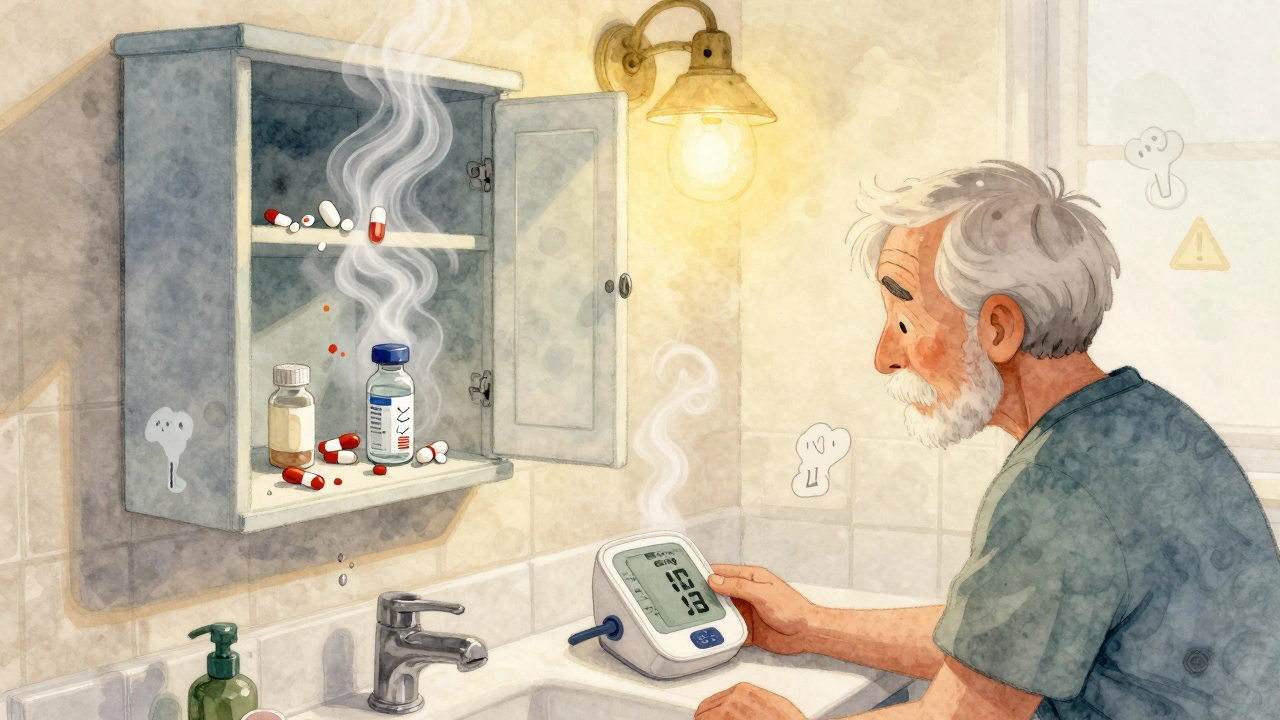
Why You Shouldn’t Store Medications in the Bathroom
Storing medications in the bathroom can make them less effective or even dangerous. Learn why humidity, heat, and easy access make this common habit risky-and where to store your pills safely instead.
READ MORE© 2026. All rights reserved.