
Drug Savings: How to Cut Prescription Costs Without Sacrificing Quality
When it comes to drug savings, the practice of reducing out-of-pocket costs for medications while maintaining effectiveness and safety. Also known as medication cost reduction, it’s not about skipping pills or buying from shady sites—it’s about knowing how the system works so you can beat it at its own game. Most people think generics are the answer, and they are—but not always for the reasons you think. The real story is buried in rebates, spread pricing, and pharmacy benefit managers who profit when you think you’re saving.
Generic drugs, medications with the same active ingredients as brand-name drugs but sold at lower prices after patents expire. Also known as non-brand medications, they’re the backbone of drug savings. But here’s the catch: some brand companies launch their own authorized generics, identical copies of brand drugs sold under a different label right after patent expiry. Also known as branded generics, they’re cheaper than the original—but they delay real competition. That means your pharmacy might be selling you a generic that’s made by the same company that made the brand, and they’re still making bank.
Then there’s biosimilars, the close relatives of generics, but for complex biologic drugs like Humira or Herceptin. Also known as biologic alternatives, they’re not exact copies like traditional generics—they’re highly similar, and they cut costs by 15% to 35%. These aren’t just theory—they’re already helping people with Crohn’s, MS, and rheumatoid arthritis afford treatment. And they’re not rare anymore. The FDA has approved dozens, and more are coming.
Insurance coverage sounds like it should help, but pharmacy benefit managers, middlemen between insurers, pharmacies, and drug makers who negotiate prices and manage formularies. Also known as PBMs, they’re the ones who decide what you pay at the counter. They get rebates from drug makers, but you rarely see that money. Sometimes, your $10 copay for a generic is actually the result of your insurer overpaying—so the PBM pockets the difference. That’s why some people pay less by skipping insurance entirely and buying cash at Walmart or Costco.
It’s not just about choosing generics over brands. It’s about understanding when a biosimilar is right for you, how to spot authorized generics, and why your insurance statement doesn’t tell the whole story. You’ll find posts here that break down how GDUFA sped up generic approvals, why some drug recalls happen because of overseas manufacturing flaws, and how travel, storage, and even herbal supplements like goldenseal can mess with your medication’s effectiveness—costing you more in the long run.
And if you’re on insulin, thyroid meds, or something for chronic pain? You’re not alone. People are saving hundreds a month by switching to lower-cost alternatives, using mail-order pharmacies correctly, and asking their doctors about therapeutic substitutions. This isn’t about cutting corners. It’s about cutting waste—and knowing exactly where your money goes when you buy a prescription.
4
Dec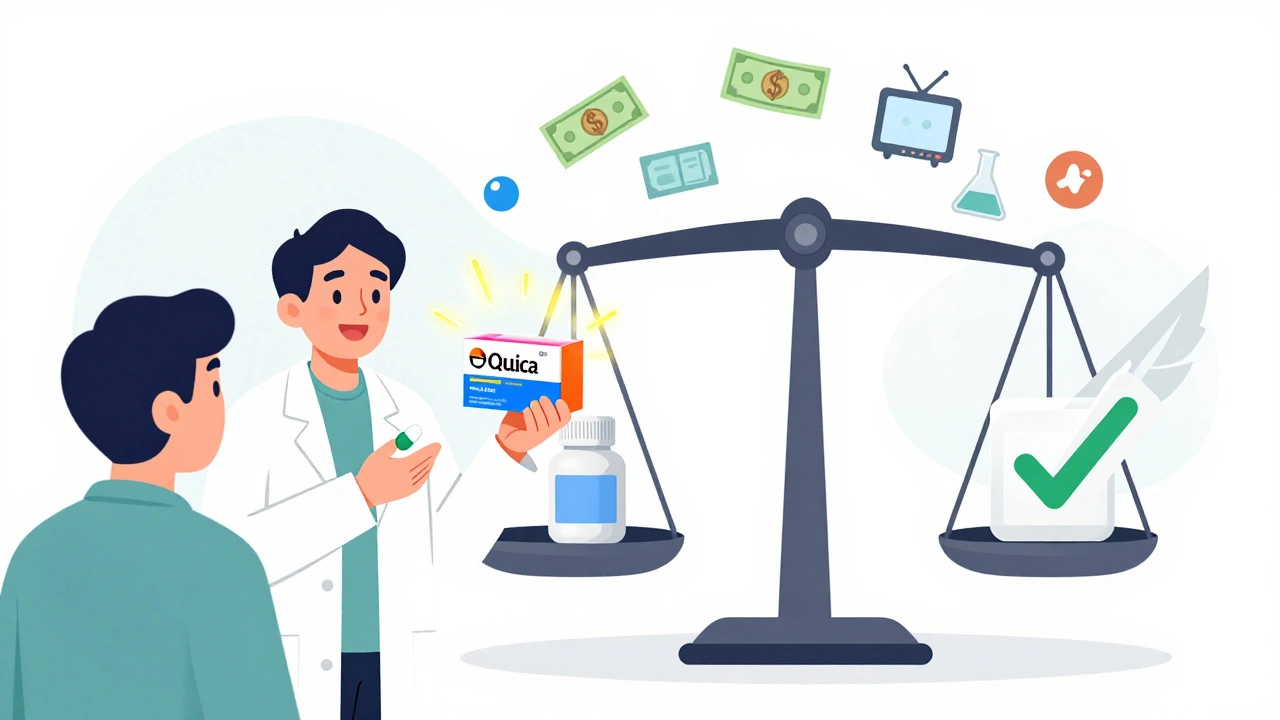
Why Generic Medications Cost Less for Patients and Insurers
Generic medications cost far less than brand-name drugs because they skip expensive research and marketing. Learn how competition, FDA rules, and smart shopping lead to massive savings for patients and insurers.
READ MORE© 2026. All rights reserved.