
Diabetes Medication Risks: What You Need to Know Before Taking Them
When you take diabetes medication, drugs designed to lower blood sugar in people with type 2 or type 1 diabetes. Also known as antihyperglycemic agents, these drugs help control glucose levels—but they don’t come without trade-offs. Many people assume that because these medications are prescribed, they’re completely safe. But that’s not true. Even common drugs like metformin, sulfonylureas, or insulin can cause serious side effects if not managed carefully.
The biggest risk most people don’t talk about is hypoglycemia, dangerously low blood sugar that can lead to confusion, seizures, or even coma. This isn’t rare—it happens often with insulin and older pills like glyburide. You might feel shaky, sweaty, or dizzy, and if you ignore it, you could pass out. Seniors are especially at risk because they may not notice the symptoms until it’s too late. Then there’s weight gain, which is common with insulin and some other drugs. It’s ironic: you take medicine to fix your metabolism, and it makes you gain weight, which makes your diabetes harder to control. And let’s not forget the long-term risks. Some diabetes drugs have been linked to heart problems, liver stress, or even an increased chance of certain cancers. Avandia, for example, was pulled back in many countries after studies showed it raised heart attack risk.
It’s not all bad news. Many newer drugs like GLP-1 agonists and SGLT2 inhibitors actually protect your heart and kidneys while helping you lose weight. But even those aren’t risk-free—they can cause infections, dehydration, or rare but serious conditions like necrotizing fasciitis. The key isn’t avoiding medication—it’s knowing what you’re taking, why, and what to watch for. If you’re on more than one drug, or if you’re over 65, you’re at higher risk for dangerous interactions. That’s why regular check-ins with your doctor matter more than just refilling prescriptions.
What you’ll find below are real stories and facts from people who’ve lived through these risks. Some posts break down how insulin can cause nighttime lows. Others explain why certain pills are being phased out. You’ll see how generic versions sometimes carry hidden dangers, and how older patients are being overmedicated without anyone noticing. This isn’t fear-mongering—it’s clarity. You deserve to know what your meds are really doing to your body.
29
Nov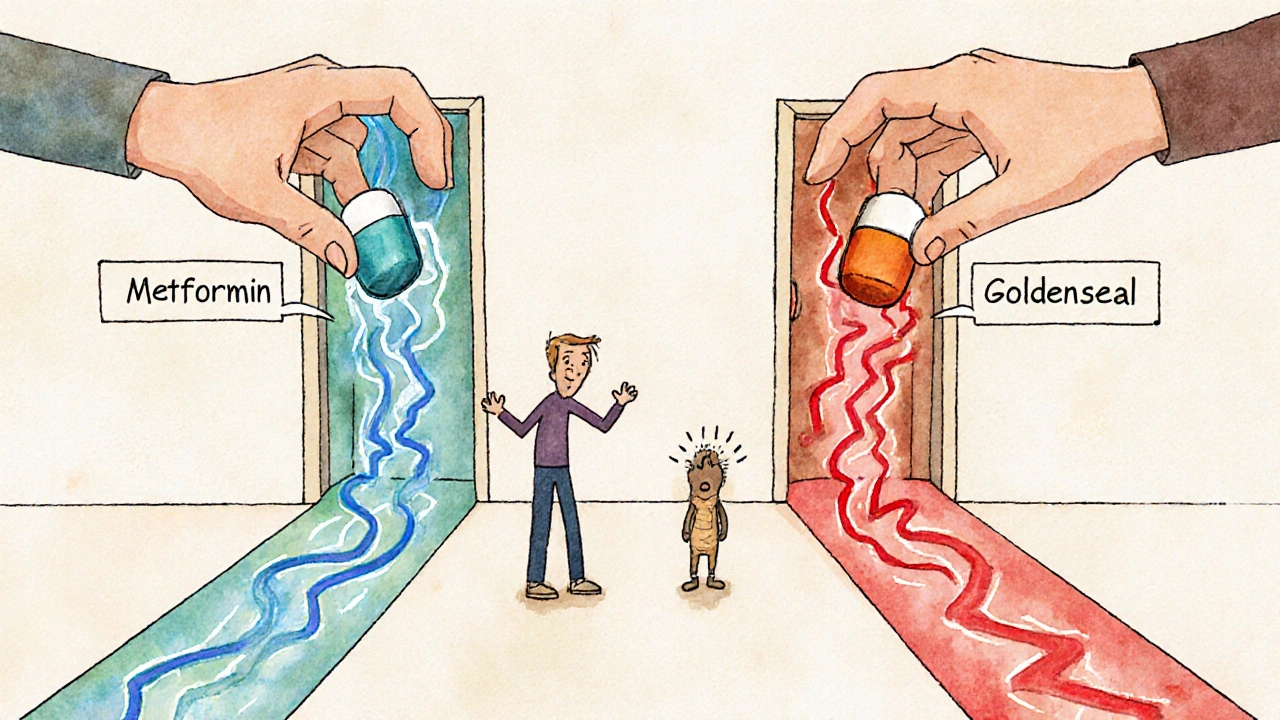
Goldenseal and Metformin Interaction Risks for Blood Sugar Control
Goldenseal can reduce metformin absorption, raising blood sugar risks for people with type 2 diabetes. Learn how this herbal supplement interferes with your medication and what to do instead.
READ MORE© 2026. All rights reserved.