
Chemotherapy Side Effects: What to Expect and How to Manage Them
When you’re undergoing chemotherapy, a treatment that uses powerful drugs to kill cancer cells. Also known as chemo, it’s one of the most common ways to fight cancer—but it doesn’t just target cancer. It affects fast-growing healthy cells too, which is why chemotherapy side effects happen. These aren’t just minor discomforts. They can change how you live, eat, sleep, and even feel about yourself. But they’re not random. They follow patterns, and knowing what to expect helps you prepare, not panic.
One of the most talked-about side effects is nausea, the feeling of sickness that often follows chemo cycles. It’s not always immediate—some people feel it hours later, or even days after treatment. New anti-nausea drugs work better than ever, and timing them right makes a big difference. Then there’s fatigue, a deep, bone-tired exhaustion that doesn’t go away with rest. Unlike regular tiredness, chemo fatigue sticks around, even when you’re not doing much. It’s not laziness—it’s your body working hard to repair itself. And then there’s hair loss, a visible sign many fear, caused by chemo targeting hair follicles. It’s not just your scalp—eyebrows, lashes, and body hair can go too. But it’s usually temporary, and knowing that helps people plan ahead with wigs, scarves, or just giving themselves grace.
Other side effects show up in unexpected ways: a metallic taste in your mouth, numbness in fingers or toes, trouble concentrating (sometimes called "chemo brain"), or a drop in blood counts that leaves you more prone to infection. These aren’t just side notes—they’re part of the journey. And while every person’s experience is different, the same principles apply: track your symptoms, talk to your care team early, and don’t assume you have to suffer in silence. Many of the posts below cover real strategies—like managing nausea without drugs, dealing with fatigue through gentle movement, or protecting your skin during treatment—that come from people who’ve been there.
What you’ll find here isn’t just a list of problems. It’s a collection of practical, no-nonsense advice from real experiences. You’ll see how people handle chemo side effects at home, what works better than others, and when to call your doctor instead of waiting it out. This isn’t about optimism or toughing it out. It’s about knowing what’s normal, what’s dangerous, and what you can actually do to feel more like yourself—even while fighting cancer.
5
Dec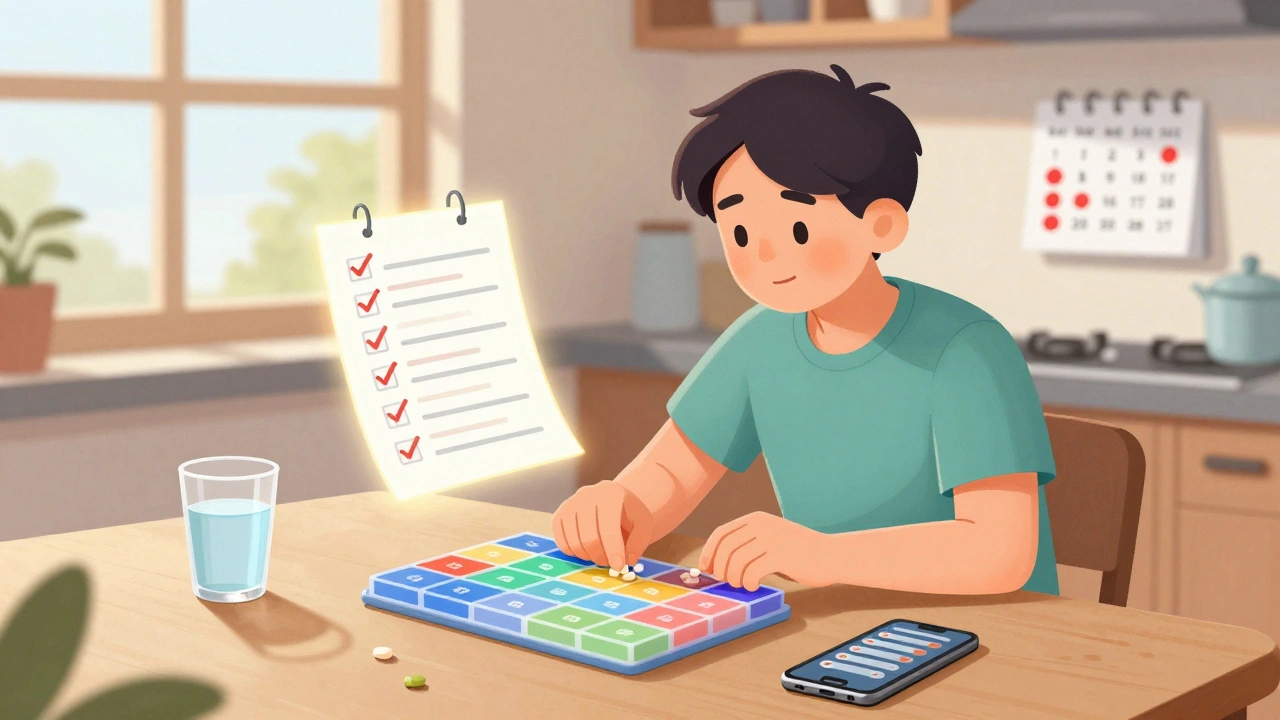
Oral Chemotherapy: How to Stay on Track, Avoid Dangerous Side Effects, and Stay Safe at Home
Oral chemotherapy offers convenience but comes with hidden risks. Learn how to take it safely, avoid dangerous side effects, and stay on track with your treatment plan at home.
READ MORE© 2026. All rights reserved.