
Cancer Treatment at Home: What Works, What Doesn’t, and What You Need to Know
When someone is living with cancer treatment at home, the use of medical and supportive care strategies outside a hospital setting to manage cancer and its symptoms. Also known as home-based cancer care, it includes everything from taking prescribed drugs to managing pain, nausea, and fatigue in a familiar environment. This isn’t about replacing doctors with YouTube hacks—it’s about making the journey more bearable with real, science-backed support.
Many people assume home treatment means skipping chemo or using herbal teas instead of prescriptions. That’s dangerous. palliative care at home, a focused approach to improving quality of life for people with serious illness by managing symptoms and providing emotional support is what actually works. It’s not about curing cancer—it’s about keeping you comfortable. This includes controlled pain meds, anti-nausea drugs, proper nutrition, and mental health support—all coordinated with your oncologist. You can’t do this alone. A nurse visiting weekly, a pharmacist checking your pill schedule, or a telehealth check-in can prevent ER visits and hospitalizations.
What you can do at home? Manage side effects. If you’re on chemo, your skin might get dry or itchy. That’s where ingredients like allantoin, a gentle, science-backed ingredient that soothes irritation and repairs skin barriers come in—found in many moisturizers used for radiation or chemo skin reactions. If you’re losing appetite, small, high-calorie snacks work better than forcing big meals. If you’re tired, short walks or stretching help more than sleeping all day. But don’t guess. If a symptom is new or worsening, call your team. Some things look like simple fatigue but could be low blood counts or infection.
Don’t fall for miracle cures. No supplement, juice cleanse, or essential oil has ever cured cancer. Some—like goldenseal or certain herbal teas—can actually interfere with your meds. One study found that some supplements reduce how well chemotherapy gets absorbed, making treatment less effective. Your oncologist doesn’t hate natural remedies—they just need to know what you’re taking so they can spot dangerous interactions. That’s why tracking every pill, herb, and vitamin matters.
Storage matters too. You wouldn’t leave insulin in a hot car. The same goes for chemo pills or pain patches. Heat and humidity ruin medicine. Storing them in the bathroom? That’s a common mistake. Keep them cool, dry, and out of reach of kids or pets. Your meds need to work when you need them.
And don’t forget the emotional side. Cancer at home means loneliness can creep in. Talking to others who’ve been through it helps. Support groups, even online ones, make a difference. You’re not just managing symptoms—you’re managing fear, grief, and uncertainty. That’s part of the treatment too.
What you’ll find below are real, practical posts from people who’ve walked this path. From how to handle nausea without drugs, to why certain supplements are risky, to how to talk to your family about your needs—these aren’t theories. They’re lived experiences, backed by medical facts. No fluff. No hype. Just what works when you’re trying to live as normally as possible while fighting cancer.
5
Dec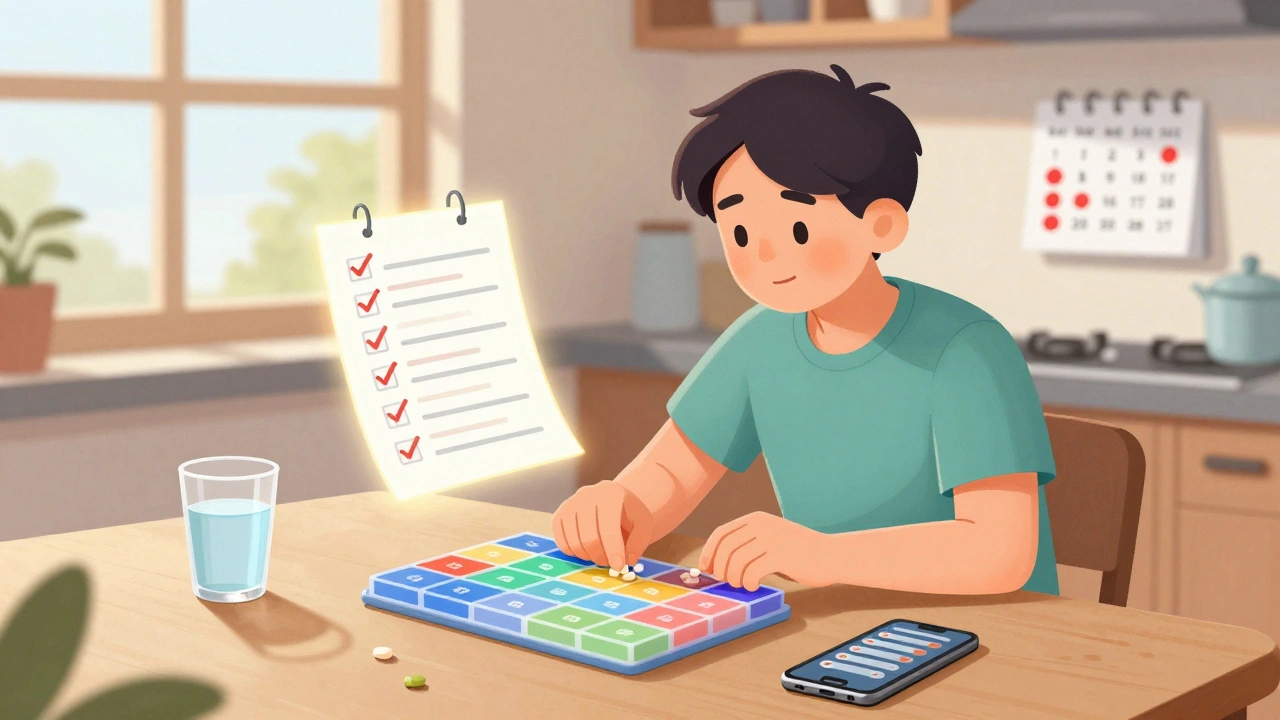
Oral Chemotherapy: How to Stay on Track, Avoid Dangerous Side Effects, and Stay Safe at Home
Oral chemotherapy offers convenience but comes with hidden risks. Learn how to take it safely, avoid dangerous side effects, and stay on track with your treatment plan at home.
READ MORE© 2026. All rights reserved.