
Brand Name Drugs: What They Are, How They Compare to Generics, and What You Need to Know
When you hear brand name drugs, the original, patented medications developed by pharmaceutical companies and sold under a specific trademark. Also known as innovator drugs, they’re the first version of a medicine to hit the market after years of testing and clinical trials. These are the pills you see advertised on TV—like Lipitor, Humira, or Singulair. They come with a high price tag because the company that made them recoups its R&D costs before competitors can copy the formula.
But here’s the catch: once the patent runs out, other companies can legally make the same drug. That’s where generic drugs, medications with the same active ingredient, strength, and dosage as the brand version but sold without the brand name. Also known as non-branded drugs, they’re often 80% cheaper and just as effective. The FDA requires them to meet the same safety and quality standards. Still, not all generics are created equal. Some are made in overseas plants with poor oversight, leading to recalls and shortages. And then there are authorized generics, the exact same brand drug sold under a different label after patent expiration, often by the original manufacturer to delay true generic competition. These aren’t cheaper than regular generics—they’re the brand in disguise.
For complex biologic drugs like those used for rheumatoid arthritis or cancer, things get even trickier. You can’t just copy them like a simple pill. That’s where biosimilars, highly similar versions of biologic drugs that aren’t exact copies but have no clinically meaningful differences in safety or effectiveness. Also known as authorized biologic alternatives, they’re the closest thing to generics for injectables like Humira or Herceptin. They’re still expensive, but they’ve cut costs for patients by billions since they arrived. And while brand companies fight to keep their market share, patients win with more choices and lower prices over time.
Patent expiration doesn’t mean instant savings. Some companies launch authorized generics right away to lock out competitors. Others tweak the formula slightly—change the shape, color, or inactive ingredients—to keep you buying the brand. And if you’re on insurance, you might be paying more than you think. Hidden fees and spread pricing mean your plan might be overpaying while you’re told you’re saving.
What you’ll find below is a collection of real, practical guides that cut through the noise. You’ll learn how to spot when a brand drug is just a generic in disguise, why some people get different side effects from generics, how biosimilars are changing cancer care, and what to ask your pharmacist when your prescription switches. These aren’t theory pieces—they’re tools for making smarter, cheaper, safer choices with your meds.
4
Dec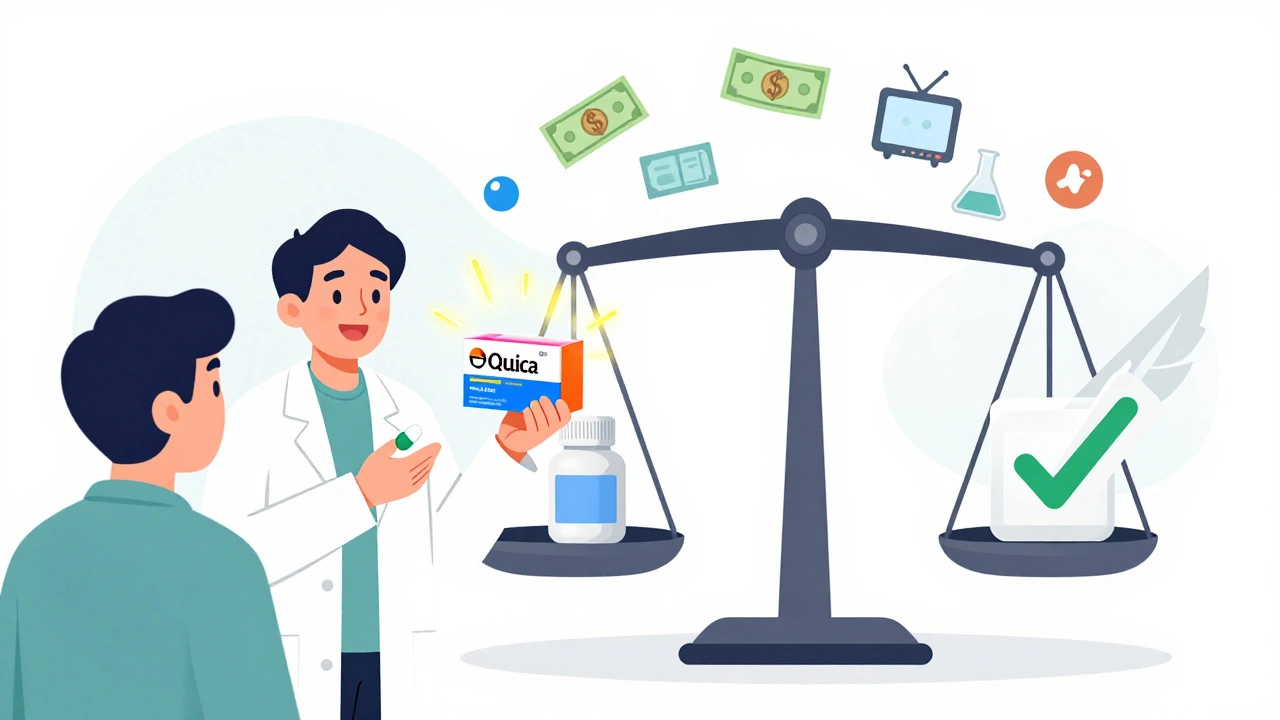
Why Generic Medications Cost Less for Patients and Insurers
Generic medications cost far less than brand-name drugs because they skip expensive research and marketing. Learn how competition, FDA rules, and smart shopping lead to massive savings for patients and insurers.
READ MORE© 2026. All rights reserved.