
Blood Sugar Interaction: How Medications Affect Glucose Levels
When you take a medication, it doesn’t just target one system—it can ripple through your whole body. blood sugar interaction, the way drugs influence glucose levels in your bloodstream. Also known as drug-induced glucose changes, it’s not just a concern for people with diabetes—it affects anyone on long-term meds, from steroids to antidepressants. Even over-the-counter cold pills or allergy sprays can mess with your numbers, sometimes without you noticing until you feel shaky, dizzy, or unusually tired.
Think about insulin resistance, a condition where your body stops responding well to insulin. It’s not just caused by weight or diet. Some drugs, like certain steroids or antipsychotics, directly make your cells ignore insulin. That’s why people on long-term prednisone often develop high blood sugar—even if they never had diabetes before. And then there’s hypoglycemia, dangerously low blood sugar, which can happen when diabetes meds like insulin or sulfonylureas mix with alcohol, beta-blockers, or even some antibiotics. These aren’t rare edge cases. They show up in real clinics, real lives.
It’s not just about what you take—it’s about what you don’t. A nasal steroid spray might seem harmless, but if you’re using it daily and also taking a diabetes pill, that combination can quietly raise your glucose. Same with NSAIDs, diuretics, or even some cholesterol drugs. The FDA doesn’t always flag these risks clearly, and your pharmacist might not catch it unless you tell them everything you’re using. That’s why checking for blood sugar interaction isn’t optional—it’s part of staying safe.
What you’ll find in the posts below aren’t vague warnings or generic lists. These are real cases: how MAOIs and cold meds can trigger dangerous spikes, why certain antibiotics throw off glucose control, and how common drugs like Avandia or steroids quietly reshape your metabolism. You’ll see what actually works, what doesn’t, and what to ask your doctor before the next refill. No fluff. No guesswork. Just the facts you need to keep your numbers steady—and your life on track.
29
Nov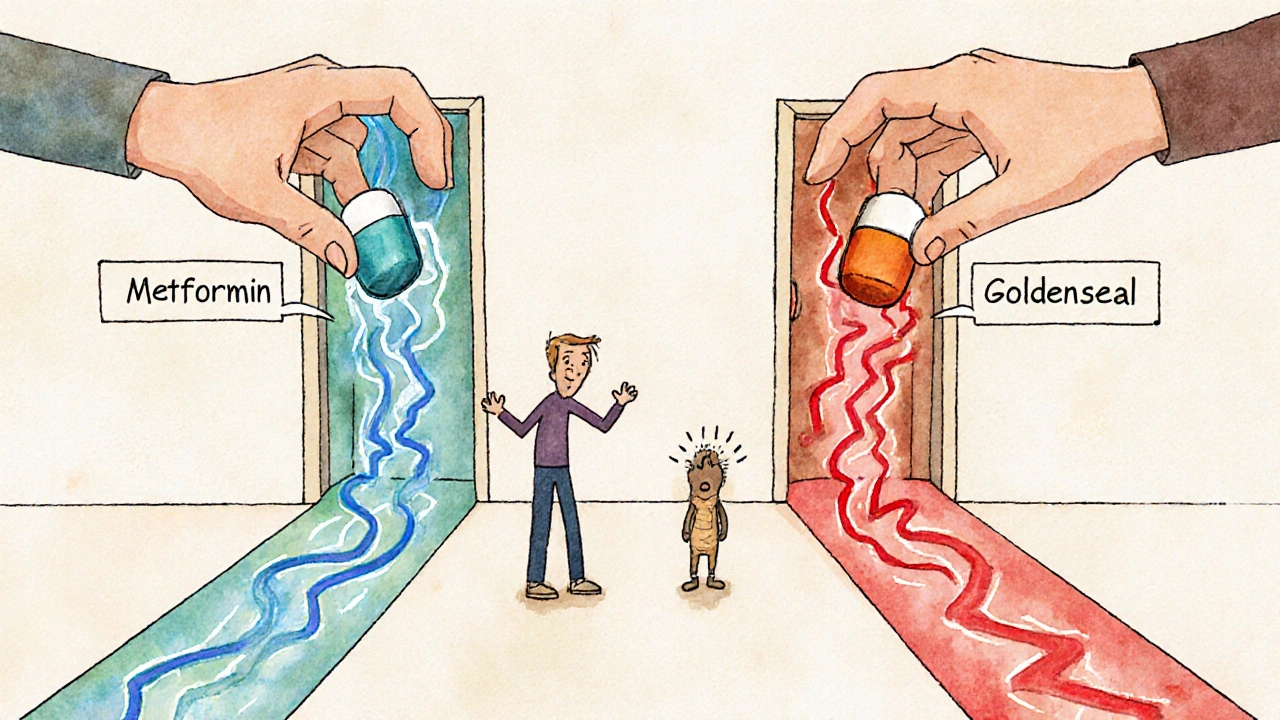
Goldenseal and Metformin Interaction Risks for Blood Sugar Control
Goldenseal can reduce metformin absorption, raising blood sugar risks for people with type 2 diabetes. Learn how this herbal supplement interferes with your medication and what to do instead.
READ MORE© 2026. All rights reserved.