
Black Box Warnings: What They Mean and How to Stay Safe
When a drug has a black box warning, the strongest safety alert the U.S. Food and Drug Administration can issue. Also known as a boxed warning, it’s printed in bold, black borders on prescription labels to signal life-threatening risks like severe allergic reactions, organ damage, or increased suicide risk. This isn’t just a caution—it’s a red flag that the drug can kill if used incorrectly, ignored, or mixed with other substances.
These warnings appear on medications ranging from antidepressants and diabetes drugs to antibiotics and cancer treatments. For example, MAOIs, a class of antidepressants, carry black box warnings because mixing them with common cold medicines can trigger deadly spikes in blood pressure. Similarly, oral chemotherapy, cancer drugs taken as pills at home, come with black box alerts for severe toxicity if dosing isn’t followed exactly. Even non-opioid pain relievers, like certain NSAIDs, have them for rare but fatal heart or kidney damage. The common thread? These aren’t side effects you can shrug off—they’re risks that demand attention, not avoidance.
What makes black box warnings different from regular side effect lists is their severity and certainty. The FDA doesn’t slap them on just because something *might* happen. These warnings come after multiple confirmed cases of death or serious injury. That’s why you can’t just skip the warning and keep taking the pill. But you also don’t need to panic. Many people take these drugs safely every day—by knowing exactly what to watch for, avoiding dangerous combinations, and telling their doctor about every other medication or supplement they use. The posts below show real cases: how goldenseal interferes with diabetes drugs, why storing pills in the bathroom ruins their safety, and how seniors on multiple meds need special checks. You’ll find practical steps to recognize the signs of trouble, when to call your doctor, and how to ask the right questions before filling a prescription. This isn’t about fear—it’s about control. Know the warning. Understand the risk. Stay safe.
6
Dec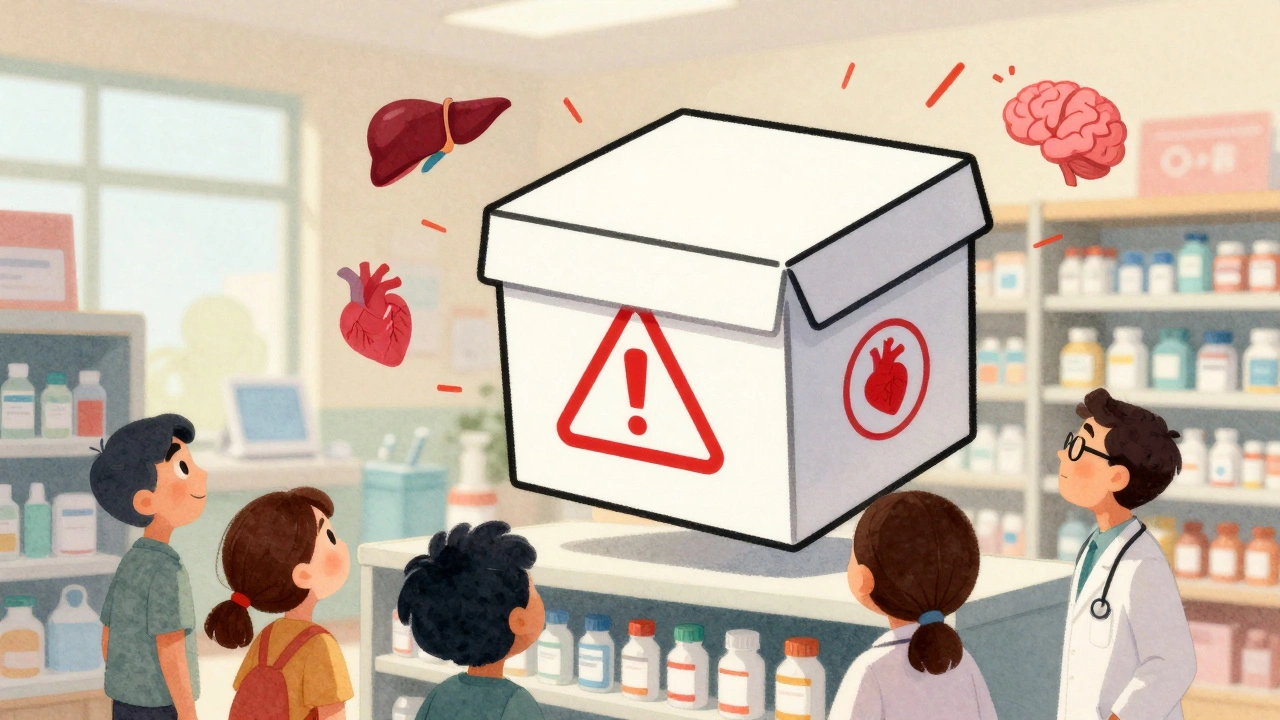
Annual Boxed Warnings Summary: What Changed and Why It Matters
The FDA issued 47 new or updated boxed warnings in 2024, making drug safety alerts more specific and data-driven. These changes impact prescribing, patient outcomes, and how risks are communicated across healthcare.
READ MORE© 2026. All rights reserved.