
Beta-Blocker Risks: What You Need to Know About Side Effects and Safety
When you take a beta-blocker, a class of medications used to lower blood pressure, slow heart rate, and reduce heart strain. Also known as beta-adrenergic blocking agents, they’re commonly prescribed for hypertension, angina, arrhythmias, and even anxiety. But while they save lives, they’re not harmless—especially if you don’t know the risks.
One of the biggest beta-blocker side effects, fatigue, dizziness, and cold hands or feet. These happen because beta-blockers reduce blood flow to the extremities and slow down your body’s natural stress responses. For some people, that means struggling to get through the day or feeling like they’re constantly running on low battery. Worse, they can mask symptoms of low blood sugar in diabetics, making dangerous drops harder to catch. And if you suddenly stop taking them—especially after long-term use—you could trigger a heart attack or severe spike in blood pressure. That’s why tapering off under a doctor’s care isn’t optional.
Then there’s the issue of drug interactions, how beta-blockers react with other meds you might be taking. Mixing them with certain antidepressants, calcium channel blockers, or even over-the-counter cold remedies can lead to dangerously low heart rates or blood pressure. Even herbal supplements like green tea extract or magnesium can interfere. And if you have asthma or COPD, beta-blockers can tighten airways and trigger attacks—unless you’re on a cardioselective version, which targets the heart more than the lungs. But even then, it’s not risk-free.
Some people don’t realize that beta-blockers aren’t the first choice anymore for high blood pressure in healthy adults. Guidelines now recommend other drugs like ACE inhibitors or calcium channel blockers as safer starting points. Beta-blockers are still vital—for people who’ve had heart attacks, those with heart failure, or those with certain arrhythmias—but they’re not a one-size-fits-all solution. Your doctor should weigh your full health picture: age, other conditions, lifestyle, and what other meds you’re on. If you’re on a beta-blocker and feel off, don’t just assume it’s normal. Track your symptoms. Ask about alternatives. And never ignore a sudden change in energy, breathing, or heart rhythm.
What you’ll find below are real, practical insights from posts that dig into the hidden dangers of medications like beta-blockers. From how they interact with common supplements to why some patients are misinformed about their safety, these articles cut through the noise. You’ll learn what to watch for, when to speak up, and how to avoid mistakes that could put your health at risk.
7
Dec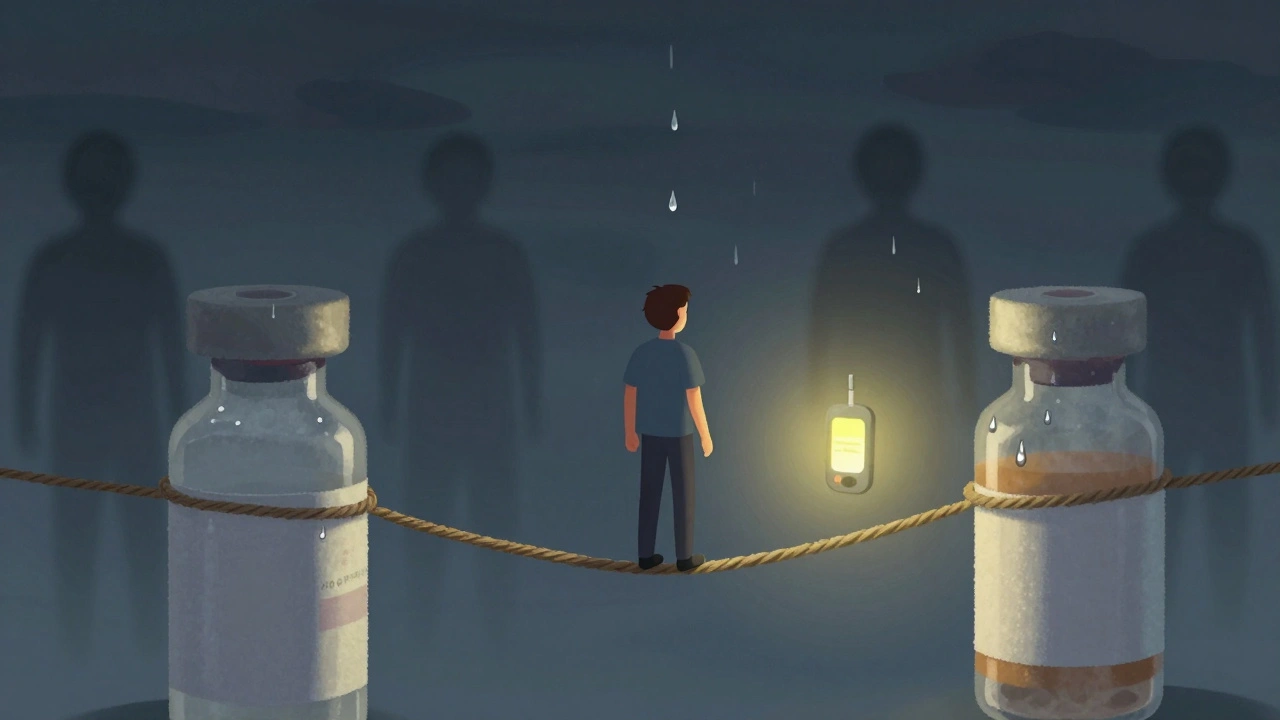
Insulin and Beta-Blockers: What You Need to Know About Hidden Hypoglycemia Risks
Combining insulin with beta-blockers can hide the warning signs of low blood sugar, increasing the risk of dangerous hypoglycemia. Learn how to stay safe with the right medication choices, monitoring, and key symptoms to watch for.
READ MORE© 2026. All rights reserved.