
Bathroom Medicine Cabinet: Safe Storage, Common Medications, and What to Keep Inside
When you think of a bathroom medicine cabinet, a locked or accessible storage space in the bathroom designed to hold medications, first aid supplies, and personal care items. Also known as a medication cabinet, it’s one of the most-used but least-monitored spots in your home. It’s where you grab painkillers, check expiration dates, or stash that new prescription. But here’s the problem: humidity, heat, and easy access make it one of the worst places to store most medicines.
Many people keep insulin, a temperature-sensitive biologic drug used to manage diabetes in the bathroom cabinet, unaware that heat and moisture can break it down before its expiration date. The same goes for nitroglycerin, a life-saving heart medication that loses potency when exposed to air and humidity. Even common oral chemotherapy, cancer drugs taken by mouth that require strict storage conditions can become ineffective or unsafe if kept where steam from showers lingers. These aren’t edge cases—they’re routine mistakes that put lives at risk.
So what should actually live in your bathroom medicine cabinet? First aid staples like bandages, antiseptic wipes, and hydrocortisone cream are fine. But anything that needs cool, dry, dark storage—like thyroid meds, antibiotics, or epinephrine pens—belongs in a bedroom drawer or kitchen cabinet away from sinks and showers. And don’t forget to check expiration dates. A 2023 FDA study found nearly 40% of expired medications in home cabinets were still being used, often because people didn’t know they were past their safe window.
Organization matters too. A cluttered cabinet makes it easy to grab the wrong pill—especially for seniors managing high-risk medications, drugs like benzodiazepines or anticholinergics that increase fall risk and confusion in older adults. Use labeled containers, keep a printed list of what’s inside, and never mix pills from different bottles. If you’re taking folic acid, a B vitamin critical during pregnancy that can interact with seizure drugs and methotrexate, or managing chronic kidney disease, a condition where many common painkillers and supplements become dangerous, your cabinet should be a controlled environment, not a dumping ground.
And while we’re at it—stop storing OTC cold medicines next to your blood pressure pills. That combo could lead to a hypertensive crisis, a sudden, dangerous spike in blood pressure triggered by mixing MAOIs with decongestants. Or worse, keep your goldenseal, an herbal supplement that reduces metformin absorption and spikes blood sugar in diabetics out of reach of kids and away from your diabetes meds.
Your bathroom medicine cabinet isn’t just storage—it’s a safety system. Fixing it doesn’t require a renovation. Just a little awareness, a few relocations, and a habit of checking dates and labels. Below, you’ll find real advice from people who’ve dealt with drug interactions, storage failures, and medication errors. Whether you’re managing a chronic condition, caring for an elderly parent, or just trying to keep your family safe, these posts give you the exact steps to turn your cabinet from a hazard into a reliable health tool.
4
Dec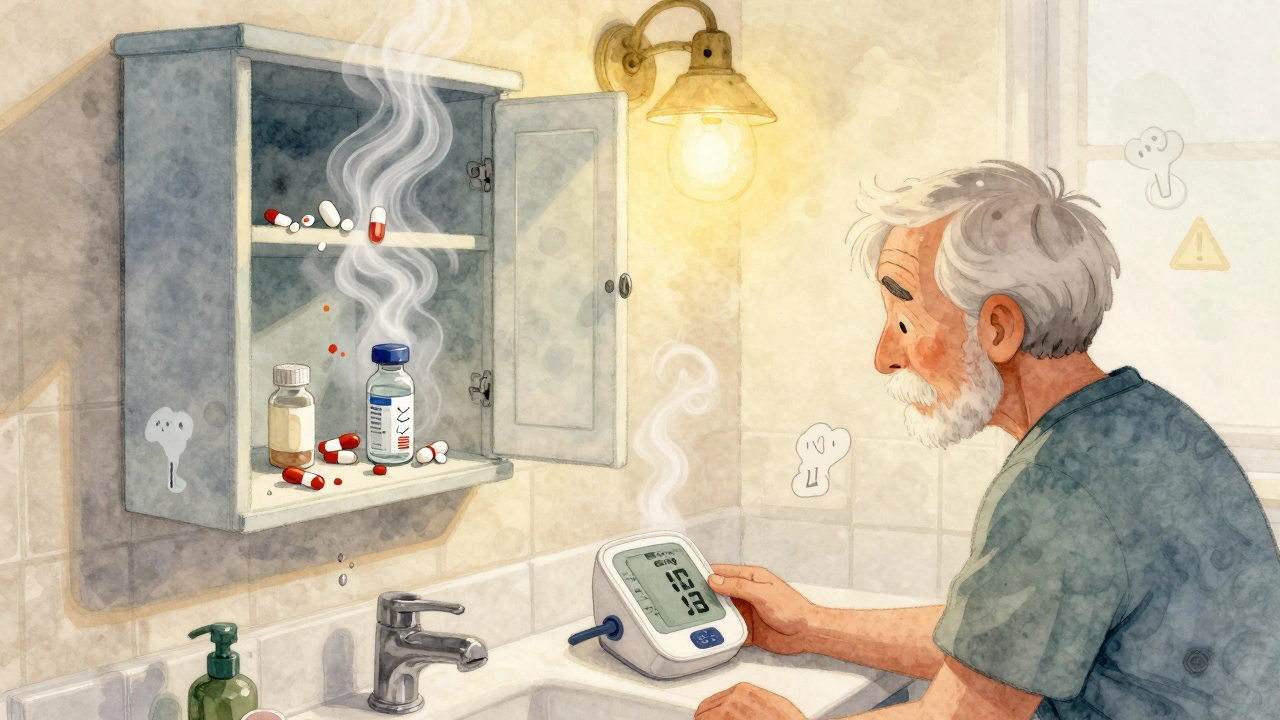
Why You Shouldn’t Store Medications in the Bathroom
Storing medications in the bathroom can make them less effective or even dangerous. Learn why humidity, heat, and easy access make this common habit risky-and where to store your pills safely instead.
READ MORE© 2026. All rights reserved.