
Geriatric Medication Risk Checker
How to use: Select the medication classes from the list below that match your loved one's prescriptions. This tool is for educational purposes only and is not a substitute for professional medical advice.
Select Medication Classes:
Risk Assessment Summary
Select medications on the left to see specific risks and safety considerations.
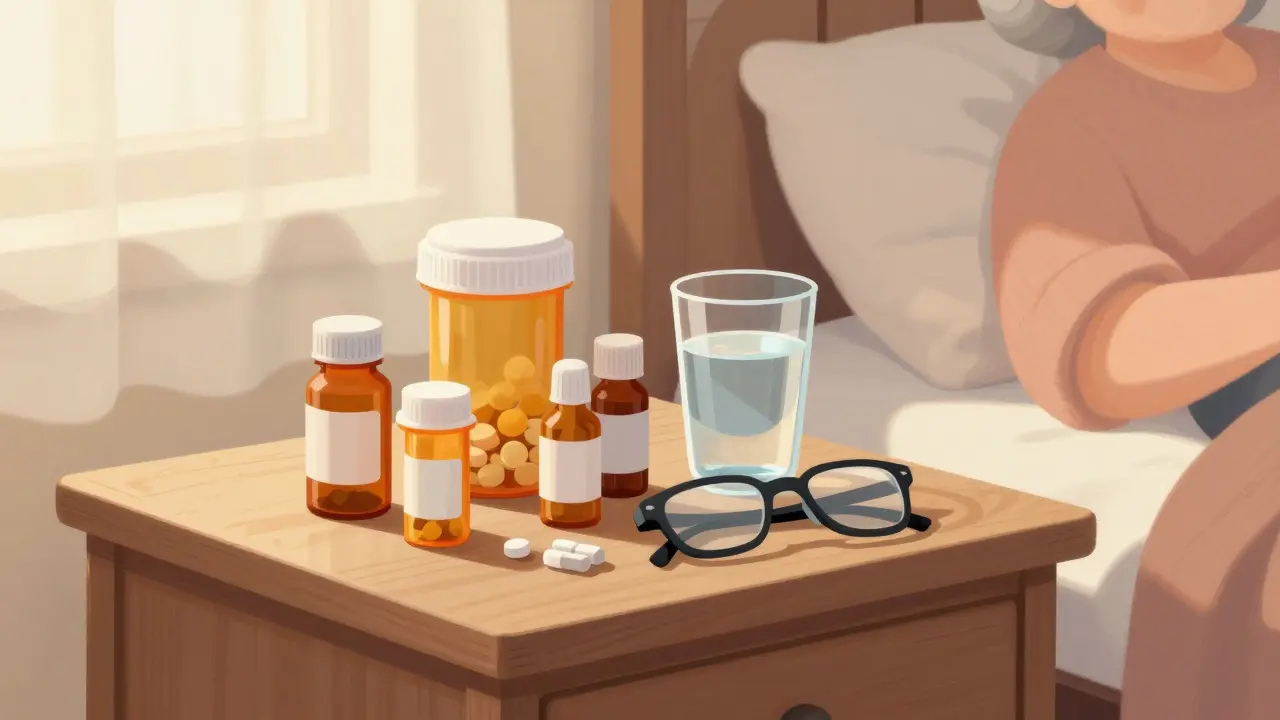
Ever wondered why a simple prescription for a senior can sometimes lead to a hospital visit? It sounds alarming, but adults over 65 are 91% more likely to be hospitalized due to adverse drug events than younger adults. As we age, our bodies change how they process medicine, and when you mix multiple prescriptions-a situation called polypharmacy-the risks skyrocket. The goal isn't just to stop meds, but to find a safer balance that maintains quality of life without causing harm.
The Gold Standard for Safe Prescribing
In the world of elderly care, clinicians rely on specific toolkits to decide what stays and what goes. The most famous is the Beers Criteria is an evidence-based list of medications that are potentially inappropriate for older adults. Created by the American Geriatrics Society, this list is updated every few years to reflect new research. For example, the 2023 update added tramadol to the watch list because it can cause dangerously low sodium levels, especially if the patient is already taking a diuretic.
But knowing a drug is "bad" isn't enough; doctors need to know what to do instead. That's where the AGS Beers Criteria Alternatives List comes in. Released in July 2025, this resource helps providers swap a high-risk drug for a safer pharmacological option or, in about 38% of cases, a non-drug alternative like physical therapy or lifestyle changes. This solves a major headache for primary care doctors, many of whom struggle to find replacements when they decide to stop a risky medication.
Common High-Risk Medications to Watch
Not all medications are dangerous, but certain classes are notorious for causing falls, confusion, or internal bleeding in seniors. If you're reviewing a loved one's medication list, keep an eye out for these categories:
- Benzodiazepines: Often used for anxiety or sleep, these can lead to severe sedation and an increased risk of hip fractures from falls.
- Anticholinergics: These can cause dry mouth, blurred vision, and, more seriously, acute confusion or memory loss.
- NSAIDs: Common painkillers like indomethacin can be hard on the kidneys and increase the risk of stomach ulcers.
- Opioids: Drugs like meperidine carry a high risk of respiratory depression and cognitive impairment in the elderly.
Interestingly, the rules for aspirin have shifted. While it was once a staple for heart health, the current guidance has lowered the caution age from 80 to 70. This means doctors are now more careful about prescribing aspirin for primary prevention in people over 70 due to the heightened risk of bleeding.
| Framework | Primary Focus | Key Strength | Best Use Case |
|---|---|---|---|
| Beers Criteria | Potentially Inappropriate Medications (PIMs) | Widely integrated into EHR systems | General clinical settings |
| STOPP/START | Both omitted and inappropriate meds | Identifies missing necessary treatments | Comprehensive medication reviews |
| GEMS-Rx | Emergency Department discharge | Simplified decision trees for fast pace | ER to Home transitions |
| CMS Measure 238 | Medication class duplication | Regulatory accountability/funding | Hospital quality reporting |
The Danger of the "Quick Fix" in the Emergency Room
The Emergency Department (ED) is a high-stress environment where mistakes happen quickly. A patient might be given a sedative to calm them down, only for that drug to cause a fall or a delirium episode that lasts for days. To combat this, the GEMS-Rx (Geriatric Emergency Medication Safety Recommendations) was developed. These guidelines identify eight high-risk classes specifically for patients being discharged from the ER.
Research shows that technology alone isn't the answer. Some hospitals use automated alerts in their software (CDSS), but doctors often experience "alert fatigue" and simply click "ignore." In fact, some reports show override rates as high as 65% for certain alerts. The real magic happens when you combine technology with a human touch. Programs that use a multidisciplinary team-including clinical pharmacists and geriatricians-see a 37.2% reduction in inappropriate prescriptions, compared to only 22.1% when using software alone.
The Art of Deprescribing: Less is Often More
Deprescribing isn't just about stopping a drug; it's a supervised process of reducing or eliminating medications that are no longer beneficial or are causing harm. It requires a delicate conversation between the doctor and the patient. You can't just take away a medication a patient has relied on for ten years without explaining why.
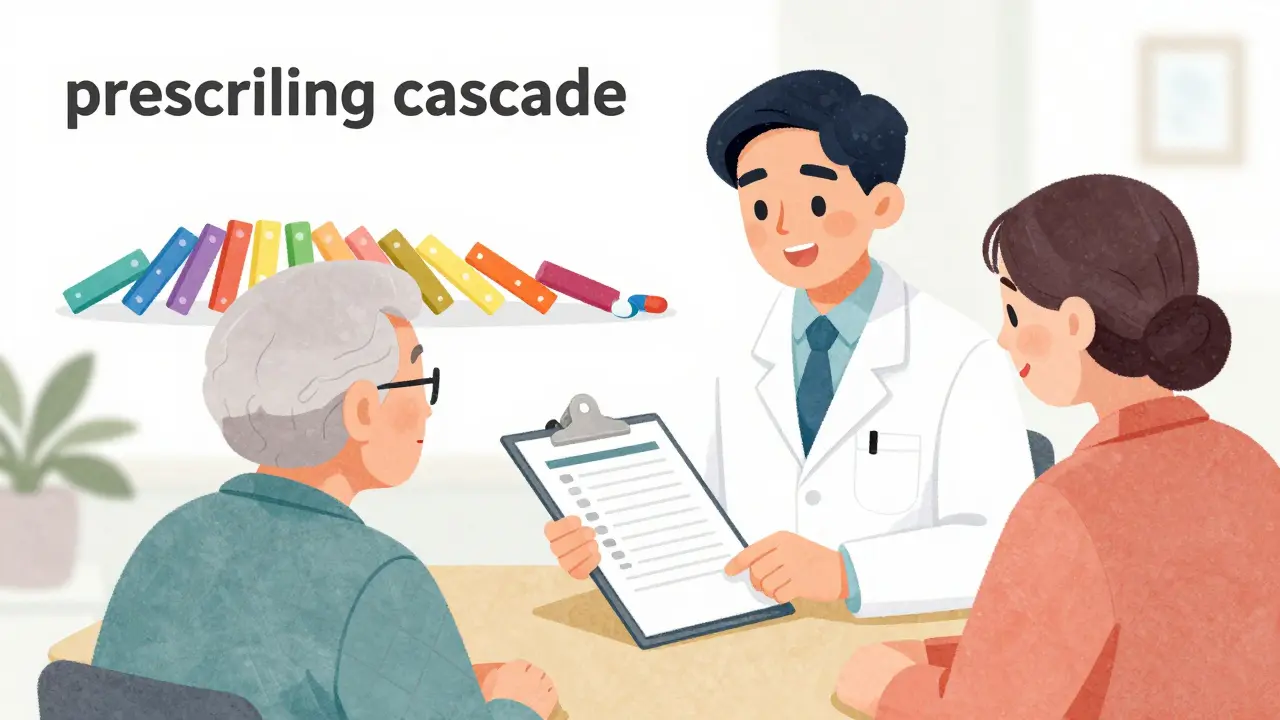
One common pitfall is the "cascade effect." This happens when a patient takes a drug, experiences a side effect, and the doctor prescribes a second drug to treat that side effect, which then causes a third problem. For example, a blood pressure med might cause a cough, leading to a cough suppressant, which might cause drowsiness, leading to a stimulant. Breaking this cycle is the core of medication safety.
However, a word of caution: deprescribing isn't for everyone. For very frail patients with a very short life expectancy, the goal shifts from "long-term safety" to "immediate comfort." In these cases, strictly following a list like the Beers Criteria might actually do more harm than good if it removes a medication that provides essential palliative relief.
Practical Steps for Families and Caregivers
If you're helping a senior manage their health, you can be the most important safety net. You don't need a medical degree to make a difference; you just need to be observant and organized.
- The Master List: Keep a current list of every single medication, including dosages, timing, and whether it's over-the-counter or prescribed.
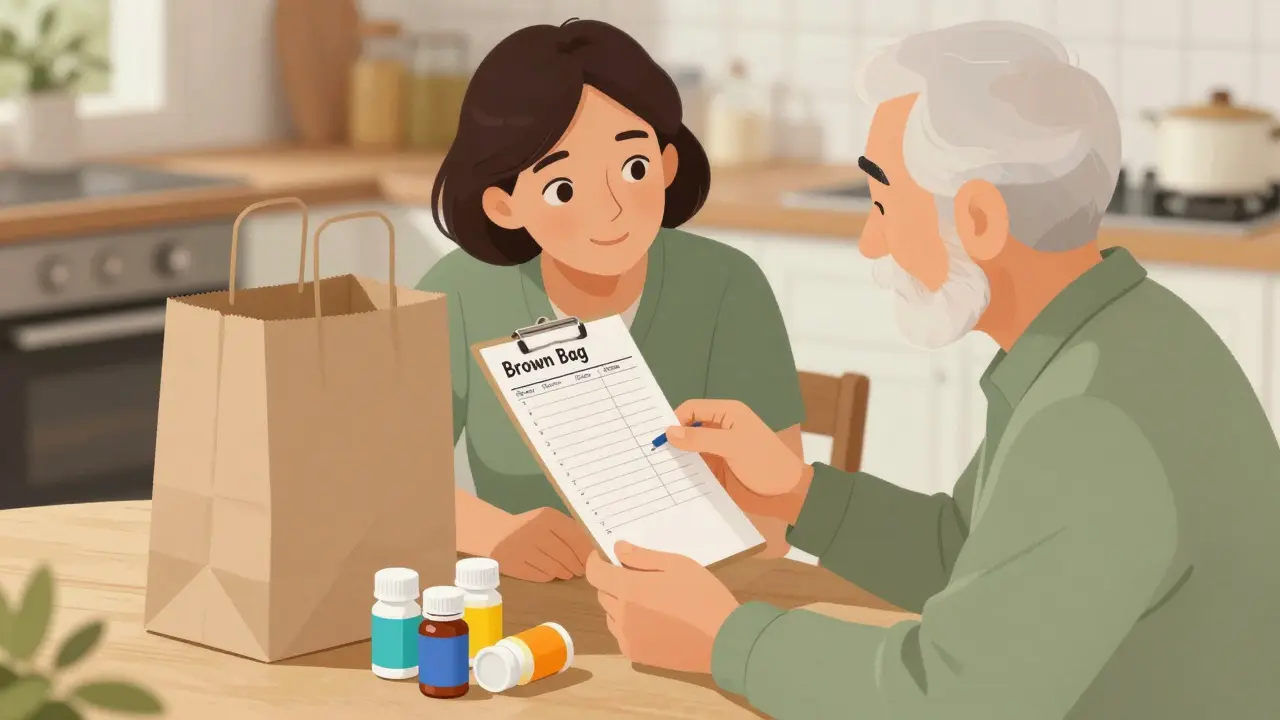
- The "Brown Bag" Review: Once or twice a year, put all the actual bottles in a bag and take them to the pharmacist. This reveals discrepancies between what the doctor thinks is being taken and what is actually in the cabinet.
- Ask the "Why" Question: When a new med is added, ask: "What is this for, and is there a safer alternative for someone this age?"
- Watch for the 'S' Signs: Be alert for sudden changes in sleep, stability (balance), or spirit (mood). These are often the first signs of a medication reaction.
The Future of Senior Care
Looking ahead, we're moving toward AI-driven safety. The American Geriatrics Society is working on digital standards to make EHR alerts smarter, so they only fire when the context actually warrants it-reducing that annoying alert fatigue for doctors. We're also seeing a push for better integration between the hospital and primary care. When a patient is discharged from an ER, the transition of their med list is a critical window where errors often occur.
By 2030, it's estimated that medication-related problems could account for nearly 45% of all geriatric healthcare costs. The shift toward "Age-Friendly" hospital systems and the increased use of Board Certified Geriatric Pharmacists are the best tools we have to bring those numbers down and keep our seniors safe and independent.
What exactly are the Beers Criteria?
The Beers Criteria is a regularly updated list of medications that are potentially inappropriate for people aged 65 and older. It helps doctors identify drugs that are more likely to cause adverse reactions or offer little benefit compared to the risks in an aging body.
What is polypharmacy and why is it dangerous?
Polypharmacy is the concurrent use of multiple medications by a single patient. It is dangerous because the risk of drug-drug interactions increases exponentially with each new prescription, which can lead to falls, cognitive impairment, and organ failure in seniors.
Can I just stop my parent's medication if it's on the Beers list?
No. Never stop or change a medication without consulting a healthcare provider. Some drugs require a slow "taper" to avoid dangerous withdrawal symptoms, and some "inappropriate" drugs may still be necessary for specific, critical conditions.
What is a "prescribing cascade"?
A prescribing cascade happens when a side effect of one drug is mistaken for a new medical condition, leading the doctor to prescribe a second drug to treat that side effect. This often leads to a cycle of more pills and more side effects.
Who is the best professional to help with medication reviews?
A clinical pharmacist, especially one with a Board Certification in Geriatric Pharmacy (BCGP), is ideal. They specialize in how drugs interact and how they affect the aging body, working alongside your primary doctor to optimize the medication plan.