
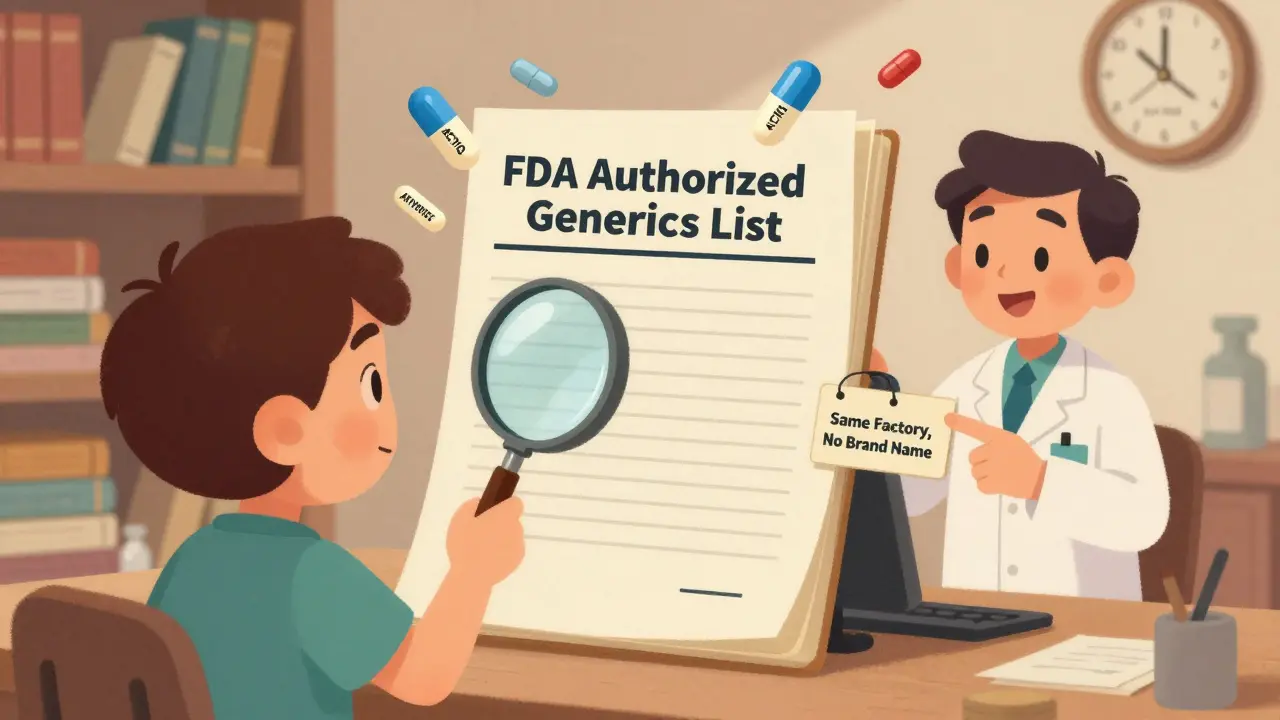
If you’re trying to find out if a generic version of your brand-name medication is truly the same as the original, you’re not alone. Many patients, pharmacists, and even doctors assume all generics are created equal. But there’s a special category of generic drugs that’s often overlooked: authorized generics. These aren’t just any generic - they’re made by the same company that makes the brand-name drug, using the exact same ingredients, same factory, and same formula. The only difference? No brand name on the label.
So where do you go to find a complete, official list of these drugs? The answer is simple: the U.S. Food and Drug Administration (FDA). But finding and using that list isn’t as straightforward as it sounds. The FDA doesn’t just post a simple searchable table. It publishes a static PDF that’s updated only four times a year. And if you don’t know what to look for, you’ll miss key details - or worse, make a wrong assumption.
What Exactly Is an Authorized Generic?
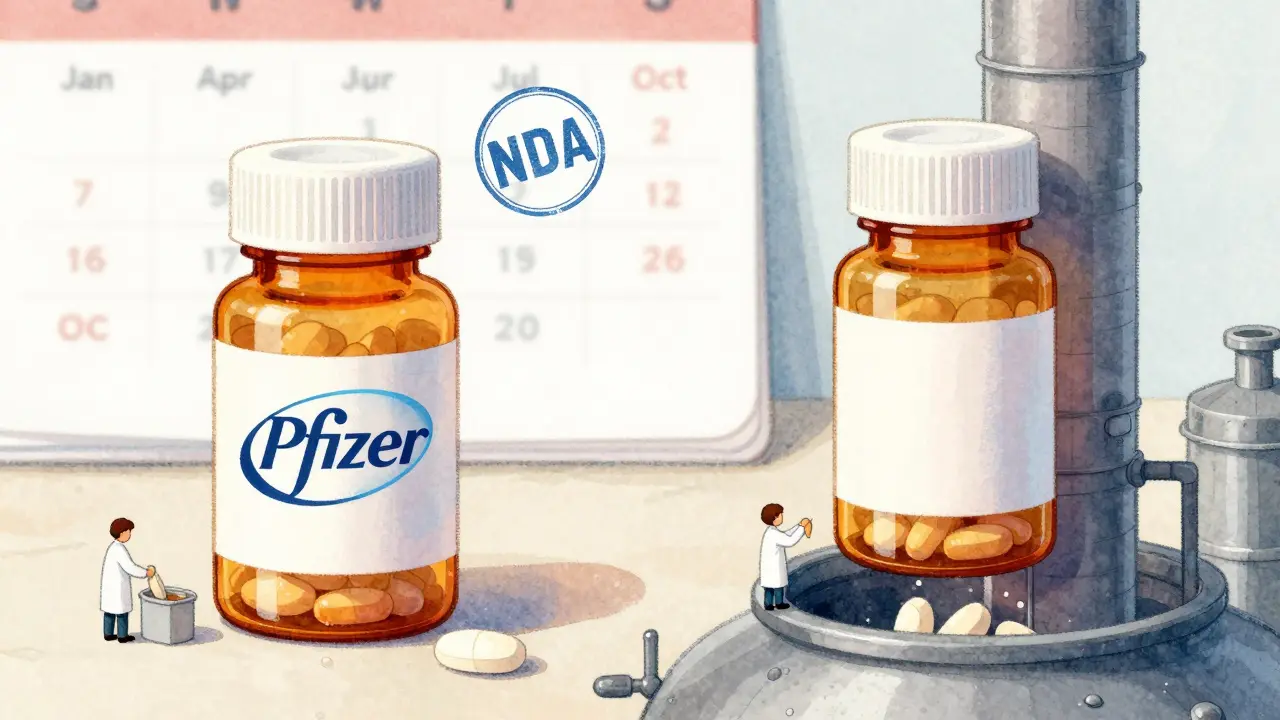
An authorized generic is not approved through the usual generic drug pathway (ANDA). Instead, it’s sold under the original brand’s New Drug Application (NDA). That means it’s legally the same product as the brand-name version - just packaged differently. For example, if you take ACTIQ (fentanyl lozenges) and see a generic version that looks different but has the same strength and shape, it could be an authorized generic made by Cephalon, LLC - the same company that makes the brand.
These drugs are often introduced right when a brand’s patent expires. Why? Because brand manufacturers use them to stay competitive. Instead of letting a cheaper generic take over the market, they launch their own generic version at a lower price. It’s a smart business move - but it’s also a real option for patients looking to save money.
Unlike traditional generics, authorized generics don’t get 180 days of market exclusivity. That means they can hit the market immediately, even while another generic is still under its exclusivity period. This can lead to faster price drops - but only if the authorized generic is actually available.
Where to Find the FDA’s Official List
The FDA maintains one and only one official list of authorized generics. You can find it at: fda.gov/drugs/abbreviated-new-drug-application-anda/fda-list-authorized-generic-drugs.
This page gives you a short explanation of what authorized generics are and links directly to the current PDF file. As of October 10, 2025, the list is a 1.09 MB PDF with over 800 entries. It’s not a website you can search. It’s a downloadable document.
Each entry includes four key pieces of information:
- Proprietary name (the brand name)
- Dosage form and strength (e.g., 10 mg tablet, 1% gel)
- Name of the NDA holder (the brand manufacturer)
- Date the authorized generic entered the market (based on annual reports, not exact launch dates)
For example:
- ARTHROTEC 50 mg/200 mcg - Pfizer Inc. - Entered market: November 1, 2012
- CLEOCIN T 1% gel - Pfizer - Entered market: June 11, 2003
Notice something? The brand name is still listed. That’s because the FDA tracks these by the original NDA, not by the generic label. So if you’re looking for a generic version of Claritin, you’ll find it listed under the brand name - not as "loratadine".
Why This List Is Hard to Use
Here’s the problem: the FDA list doesn’t tell you if the drug is still being sold. It only tells you when it was first reported. That’s a big gap.
Pharmacists across the country have reported this issue. In a 2023 survey by the National Community Pharmacists Association, 68% said the list was "somewhat or very difficult" to use for actual purchasing decisions. Why? Because 5 out of 8 drugs they checked on the list weren’t available from their wholesalers.
Take ACTIQ, for example. The FDA list says an authorized generic entered the market in 2006. But if you call your pharmacy today, they might say, "We haven’t stocked that in years." Why? Because the manufacturer stopped producing it. The FDA doesn’t track when products are discontinued. They only track when they were first reported in annual filings.
Another common mistake? Confusing authorized generics with traditional generics in the Orange Book. The Orange Book lists drugs approved under ANDAs and gives them therapeutic equivalence codes (like AB). Authorized generics are not in the Orange Book at all. If you search there, you won’t find them.
And don’t assume the "Date Authorized Generic Entered Market" means the exact day it hit shelves. The FDA admits it’s based on annual reports - which often don’t include exact dates. It could mean the drug was launched any time during that reporting period.
How to Use the List Correctly
Here’s how to turn this frustrating PDF into something useful:
- Download the latest PDF from the FDA’s authorized generics page. Check the date - it’s updated quarterly.
- Find your drug by brand name. Don’t search by generic name unless you know the brand.
- Write down the NDA holder (the manufacturer). That’s who makes the authorized generic.
- Search for that manufacturer’s generic version in your pharmacy’s system or wholesaler catalog. Use the exact strength and dosage form.
- Verify availability with your supplier. Ask: "Is this still being produced and distributed?"
- Check the NDC Directory at fda.gov/drugs/drug-approvals-and-databases/national-drug-code-directory. Enter the NDC number from your pharmacy’s label to confirm it’s the same product.
For even better results, pair the FDA list with commercial data from IQVIA or other pharmacy analytics tools. These track actual sales and distribution - not just filings.
Who Uses This List - And Why
Most patients don’t use the FDA list. But others rely on it daily:
- Pharmacists use it to identify lower-cost alternatives when a brand drug is expensive.
- Health insurers use it to design formularies and negotiate rebates.
- Generic manufacturers use it to spot competitors - especially when a brand company launches its own generic.
- Regulatory analysts and researchers use it to track market trends, like how often authorized generics are used to block competition.
According to a 2023 study in Health Affairs, over 850 authorized generics launched between 2010 and 2019. Pfizer, Teva, and Viatris (formerly Mylan) are the top three manufacturers. If you’re looking for a generic of a brand drug made by one of these companies, there’s a good chance an authorized version exists.
What’s Changing in 2026
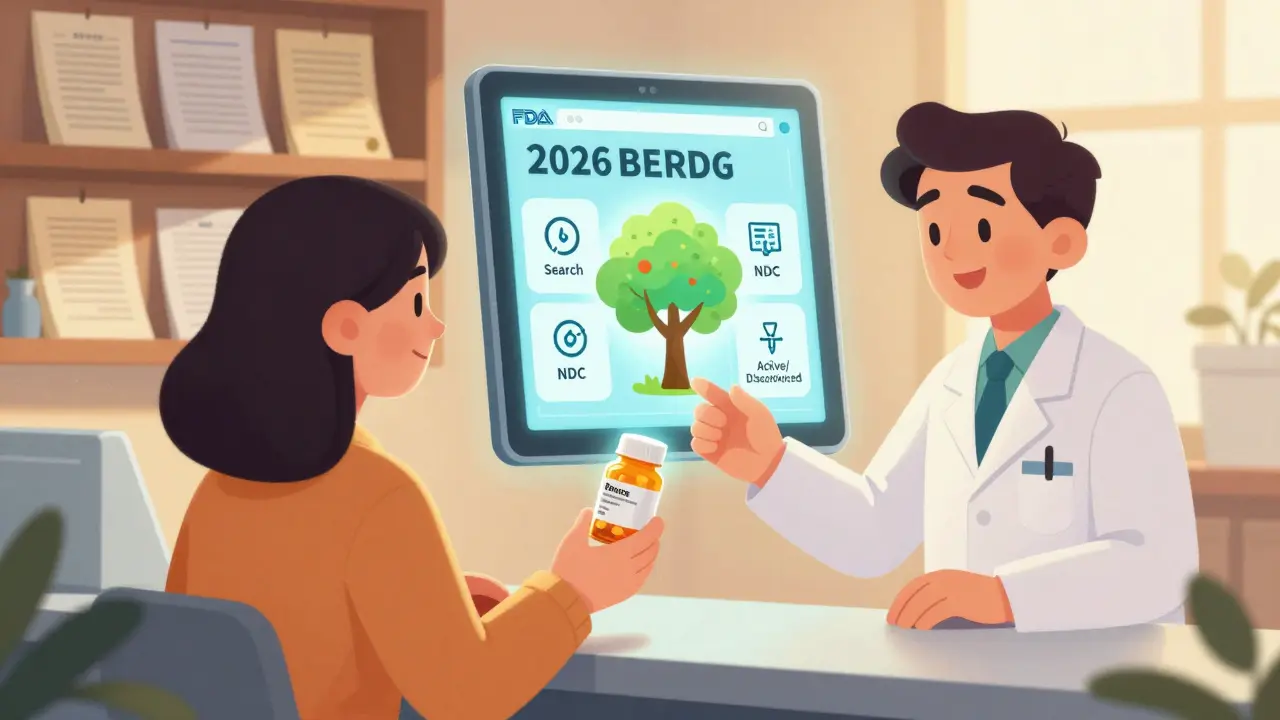
The FDA is working on a better system. In its 2025 Strategic Plan, the Center for Drug Evaluation and Research (CDER) announced plans to replace the PDF list with a searchable, dynamic database by mid-2026. That’s a big deal.
Right now, the list is outdated by design. It’s based on paperwork companies submit once a year. But in 2026, the FDA hopes to link the authorized generics list to real-time registration data from manufacturers. That could mean:
- Real-time updates on availability
- Search by drug name, manufacturer, or NDC
- Flags for discontinued products
Until then, treat the PDF like a historical record - not a live inventory.
Final Tips
Here’s what you need to remember:
- Authorized generics are the same as the brand - same factory, same formula.
- The FDA list is the only official source - but it’s not real-time.
- Just because a drug is on the list doesn’t mean it’s available at your pharmacy.
- Always confirm with your pharmacist or wholesaler before assuming a drug is in stock.
- Don’t confuse this list with the Orange Book. They’re two different systems.
If you’re a patient and want to save money, ask your pharmacist: "Is there an authorized generic for this brand?" They can check their system. If you’re a healthcare professional, use the FDA list as a starting point - then verify with your supply chain.
Authorized generics aren’t magic. But they’re one of the most underused tools for lowering drug costs without sacrificing quality. Knowing where to find the official list - and how to use it wisely - can make a real difference.
Is an authorized generic the same as a regular generic?
Yes and no. An authorized generic is physically identical to the brand-name drug - made by the same company, in the same factory, with the same ingredients. A regular generic is made by a different company and approved under an Abbreviated New Drug Application (ANDA). While both are therapeutically equivalent, only authorized generics are exact copies of the brand product. Regular generics may have different inactive ingredients or manufacturing processes.
Why aren’t authorized generics listed in the Orange Book?
The Orange Book only includes drugs approved through the ANDA process. Authorized generics are marketed under the original brand’s New Drug Application (NDA), so they’re not subject to the same approval pathway. The FDA keeps them on a separate list because they’re not technically "generic" in the regulatory sense - they’re the brand drug without the brand name.
Can I trust the "Date Entered Market" on the FDA list?
Not exactly. That date reflects the period covered by the manufacturer’s annual report, not the exact day the drug hit the market. The FDA admits that most annual reports don’t include precise launch dates. So if you see "March 2021," the drug could have been available anytime from January to December 2021.
Are authorized generics always cheaper than the brand?
Usually, but not always. Authorized generics often cost less than the brand, but sometimes they’re priced only slightly lower - especially if the brand company is trying to maintain profit margins. In some cases, a traditional generic from another manufacturer may be cheaper. Always compare prices at your pharmacy.
How often is the FDA’s authorized generics list updated?
The FDA is required by law to update the list quarterly - typically in January, April, July, and October. The most recent version as of January 2026 is dated October 10, 2025. Always check the date on the PDF before using it for decisions.
What should I do if a drug is on the FDA list but my pharmacy can’t get it?
The drug may have been discontinued or is no longer being produced. The FDA list doesn’t track whether a product is still on the market. Contact your wholesaler or check the National Drug Code (NDC) Directory to see if the NDC is still active. If not, the product is likely no longer available - even if it appears on the FDA list.
Can I report an error on the FDA’s authorized generics list?
Yes. The FDA invites feedback and corrections via email at [email protected]. However, they can only include information that was submitted in the manufacturer’s annual report. If a company didn’t report a drug, the FDA won’t know about it. So the list is only as complete as the reports it receives.
What’s Next?
By mid-2026, the FDA plans to replace the PDF with a searchable online database. That will make it easier to find authorized generics and check their current status. Until then, treat the list like a historical archive - useful, but incomplete.
If you’re managing prescriptions, insurance formularies, or pharmacy inventory, start using the FDA list as a baseline. Then combine it with your supplier’s data. That’s the only way to know what’s truly available.
And if you’re a patient - ask your pharmacist. They already know which generics are in stock. You don’t need to navigate the FDA’s PDF alone.
Luke Davidson
January 22, 2026 AT 22:40Karen Conlin
January 23, 2026 AT 22:33asa MNG
January 25, 2026 AT 06:46Sushrita Chakraborty
January 26, 2026 AT 05:06Josh McEvoy
January 26, 2026 AT 16:25Heather McCubbin
January 28, 2026 AT 11:49Sawyer Vitela
January 30, 2026 AT 08:13Shanta Blank
January 31, 2026 AT 10:52Tiffany Wagner
February 2, 2026 AT 06:07Chloe Hadland
February 3, 2026 AT 11:38Amelia Williams
February 4, 2026 AT 15:36Viola Li
February 5, 2026 AT 23:07Dolores Rider
February 6, 2026 AT 22:48venkatesh karumanchi
February 7, 2026 AT 15:44Jenna Allison
February 7, 2026 AT 22:39