
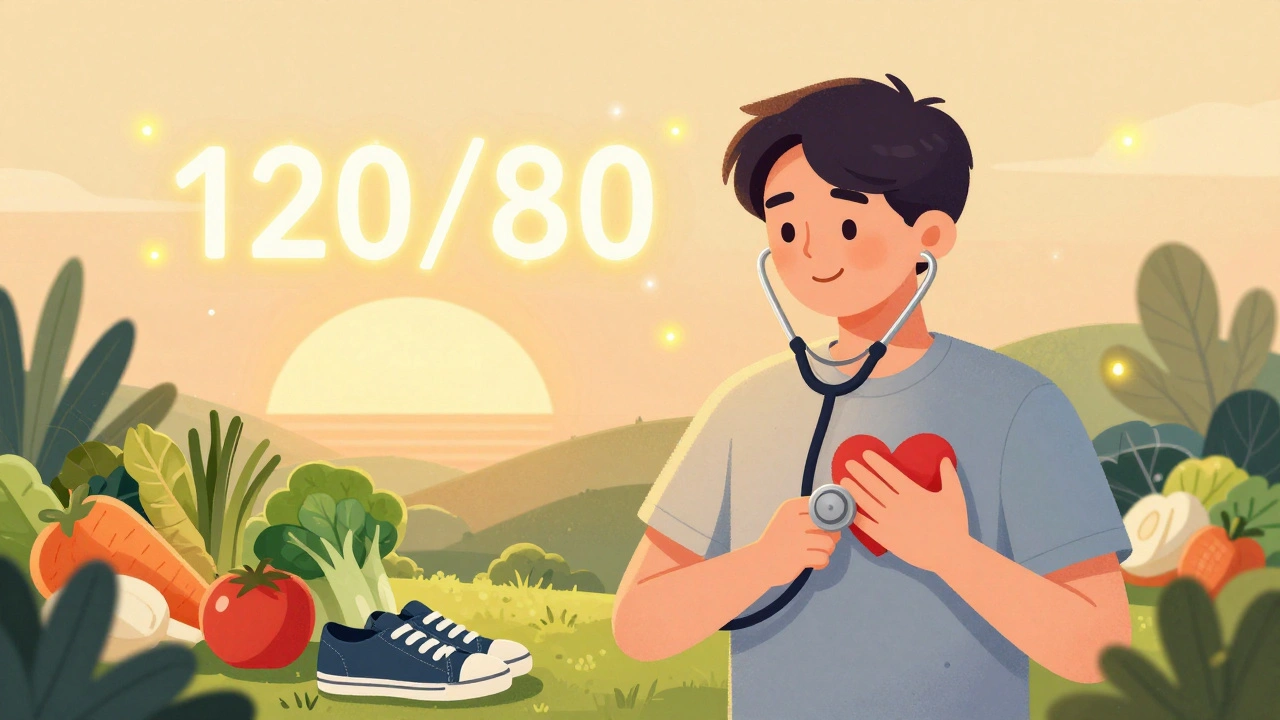
For decades, the standard blood pressure target was 140/90 mm Hg. If your numbers were below that, doctors called it a win. But today, you might hear your doctor say you should aim for 120/80 - or even lower. So which is right? And why does it matter so much for your heart?
Why Blood Pressure Targets Are Changing
Blood pressure isn’t just a number. It’s a signal. Every time your heart beats, it pushes blood through your arteries. Too much force over time damages those vessels. That damage leads to heart attacks, strokes, kidney failure, and dementia. The goal of treatment isn’t to hit a magic number - it’s to protect your organs for decades to come. In 2017, the American Heart Association and American College of Cardiology dropped the old 140/90 target and introduced a new system: 120/80 became the new ideal. Anything above 130/80 was classified as stage 1 hypertension. The change was based on the SPRINT trial, which followed nearly 9,400 people for over three years. Those who lowered their systolic pressure to under 120 mm Hg had 25% fewer heart attacks, strokes, and heart failure events - and 27% lower risk of dying from any cause. But here’s the catch: SPRINT didn’t include people over 75 with diabetes, kidney disease, or a high risk of falling. Most real-world patients didn’t fit that profile. So when guidelines rolled out, primary care doctors saw a problem. Pushing everyone to 120/80 meant more medications, more side effects, and more trips to the clinic - for people who might not benefit as much.The 140/90 vs. 120/80 Debate
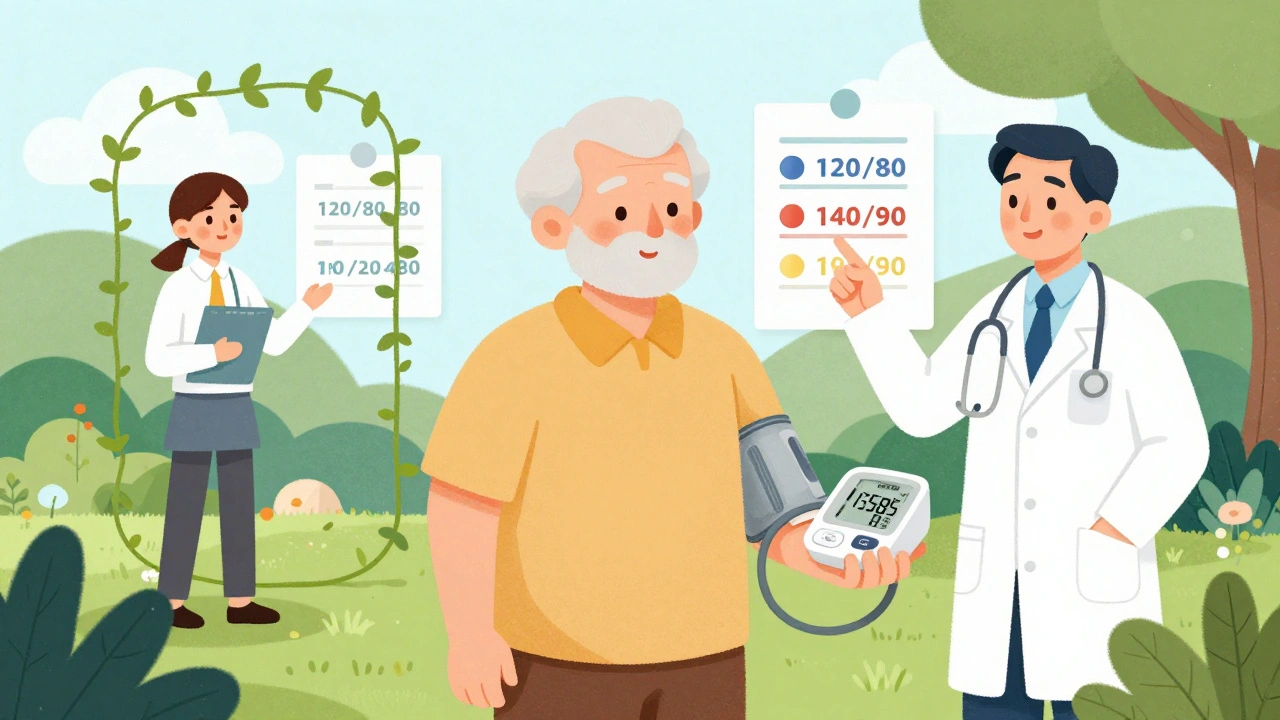
The American Academy of Family Physicians (AAFP) stood firm in 2022: stick with 140/90 as the main target. Their reasoning? The extra benefit of going lower was small. For every 137 people treated to get their systolic pressure below 120, only one avoided a heart attack. Meanwhile, one in 33 people developed serious side effects - dizziness, fainting, kidney issues, or low blood pressure that made daily life harder. The AHA/ACC didn’t back down. Their 2025 update doubled down on 120/80, especially for people with diabetes, chronic kidney disease, or a 10-year cardiovascular risk over 7.5%. They argue that even small reductions in blood pressure add up. A 5 mm Hg drop in systolic pressure lowers your risk of major heart events by 10% - no matter your age or starting point. That’s not a fluke. It’s a consistent pattern seen in over 1 million patients across 400 studies. Meanwhile, Japan’s 2025 guidelines went even further. They now recommend everyone with hypertension aim for under 130/80 - no exceptions for age or health status. Their doctors monitor closely for side effects, but they believe the benefits outweigh the risks for nearly everyone. The European Society of Hypertension took the middle path: 120-129/70-79 for people under 65, 130-139 for those 65-79, and 140-150 for people 80 and older. They recognize that older bodies handle pressure differently. Their approach isn’t one-size-fits-all - it’s age-adjusted.Who Should Aim for 120/80?
If you’re under 65 and have any of these conditions, aiming for 120/80 is likely the right move:- Diabetes
- Chronic kidney disease
- History of heart attack or stroke
- High cholesterol with a 10-year risk score above 7.5%
What About Side Effects?
Lower targets mean more drugs. On average, people targeting 120/80 need one extra pill per day. That sounds small - until you start feeling lightheaded when you stand up. Or your kidneys start struggling. Or you’re dizzy in the shower. Symptomatic low blood pressure is the biggest concern. It doesn’t mean your numbers are too low on the machine - it means you feel it. If you’re getting up from a chair and seeing stars, or you’ve fallen once in the past year, your target might be too aggressive. Doctors are now taught to ask: “Do you feel worse since we lowered your meds?” If the answer is yes, the goal isn’t to push harder - it’s to find the sweet spot where you feel good and your heart is protected.How Treatment Is Changing
The AHA/ACC now recommends starting with a single-pill combination for people with stage 2 hypertension (140/90 or higher). Instead of prescribing two separate pills, you get one tablet with two drugs - like amlodipine and lisinopril. This cuts down on confusion and improves adherence. Studies show patients stick with their meds longer when they take fewer pills. For stage 1 hypertension (130-139/80-89) with no other health problems, the first step is lifestyle. That means:- Reducing salt to under 1,500 mg per day
- Getting 150 minutes of brisk walking per week
- Losing 5-10% of body weight if overweight
- Limiting alcohol to one drink a day
- Practicing deep breathing or meditation for 10 minutes daily
The Future: Personalized Blood Pressure Goals
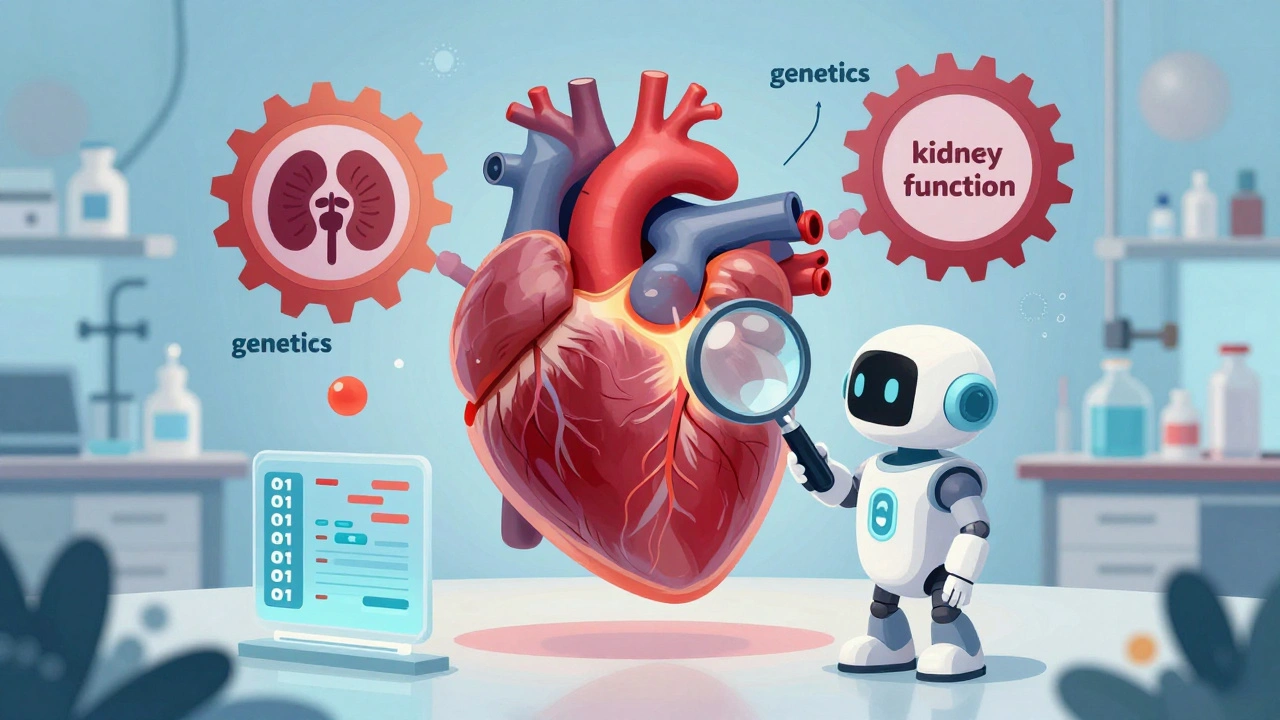
The real shift isn’t about 120/80 vs. 140/90. It’s about moving away from blanket rules toward personalization. The NIH just launched SPRINT-2 - a new trial with over 8,000 participants that includes older adults, people with diabetes, and those at high risk of falls. This time, researchers are tracking not just heart events, but quality of life. Can you still walk the dog? Play with your grandkids? Sleep through the night? Emerging tools are also helping. Machine learning models now analyze genetic data, kidney function markers, even your social support network to predict who will benefit from aggressive treatment - and who might be harmed. In the UK, NHS pilots are testing home blood pressure monitors with AI alerts. If your systolic pressure drops below 110 for three days straight, the system flags your GP before you feel dizzy.What Should You Do?
If you’re managing high blood pressure, here’s what to do next:- Ask your doctor what your 10-year cardiovascular risk is. Request the PREVENT calculator if they don’t use it.
- If you’re under 65 and have diabetes, kidney disease, or heart disease, aim for 120/80 - but only if you feel well.
- If you’re over 75 or have balance issues, talk about 130-140 as a safer target.
- Don’t rush to add meds. Try lifestyle changes first - they’re powerful.
- Track your symptoms. If you feel faint, tired, or weak after a medication change, speak up.
- Use a home monitor. Take readings at the same time each day and bring the log to your appointments.
Bottom Line
There’s no single perfect number for everyone. 120/80 is ideal for many - especially younger, healthier people. But for others, especially older adults or those with complex health needs, 130-140/80-90 might be the smarter, safer goal. The best target isn’t the lowest number on the chart. It’s the number that keeps your heart safe - without making your life harder.Is 120/80 the new normal for everyone with high blood pressure?
No. While 120/80 is the ideal target for younger, healthier adults - especially those with diabetes, kidney disease, or heart disease - it’s not right for everyone. Older adults, people with a history of falls, or those on multiple medications may do better with a higher target, like 130-140/80-90. The goal is to protect your heart without causing side effects like dizziness or kidney stress.
Can I lower my blood pressure without medication?
Yes. Many people can reduce their blood pressure by 10-20 mm Hg with lifestyle changes alone. Cutting salt to under 1,500 mg per day, walking 30 minutes a day, losing 5-10% of body weight, limiting alcohol, and managing stress can be as effective as one pill. These changes are especially powerful for stage 1 hypertension (130-139/80-89) with no other health problems.
Why do some doctors still recommend 140/90?
The American Academy of Family Physicians (AAFP) recommends 140/90 because studies show that pushing to lower targets doesn’t significantly reduce death rates - but it does increase side effects like fainting, kidney injury, and low blood pressure. For many patients, especially in primary care settings, the risks of aggressive treatment outweigh the small benefit. They believe in starting with 140/90 and then adjusting based on how the patient feels.
What are the risks of aiming too low for blood pressure?
Aiming too low can cause dizziness, fainting, falls, kidney injury, and high potassium levels. For older adults or those on multiple medications, these side effects can be dangerous - even life-threatening. Studies show that for every 33 people treated to reach a systolic pressure below 120, one will experience a serious side effect. That’s why doctors now ask: “Do you feel worse?” - not just “Is your number lower?”
Should I buy a home blood pressure monitor?
Yes - if you’re managing hypertension. Home readings are more accurate than clinic readings, which can be skewed by white coat hypertension. Use an upper-arm monitor, not a wrist one. Take readings at the same time each day, sit quietly for 5 minutes first, and bring your log to appointments. This helps your doctor see your true pattern - not just one snapshot.
What’s the future of blood pressure treatment?
The future is personalized. New tools are being developed to predict how you’ll respond to treatment based on your genes, kidney function, social support, and even your daily activity levels. The NIH’s SPRINT-2 trial is testing intensive treatment in real-world populations - including older adults and people with diabetes. In the next five years, your blood pressure goal may be tailored not just to your age or disease, but to your body’s unique response.
Olivia Portier
December 8, 2025 AT 15:27130/80 is her sweet spot. No dizziness, no falls. Just peace.
Tiffany Sowby
December 10, 2025 AT 09:24Asset Finance Komrade
December 10, 2025 AT 12:50Yet, the SPRINT data is robust. The question isn't whether it works-it's whether the cost of compliance is worth the marginal gain. Aesthetic health ≠ lived health.
Jennifer Blandford
December 11, 2025 AT 14:20It’s not about the number. It’s about feeling like you can still laugh, dance, and not fall over when you stand up. Thank you for saying this.
Morgan Tait
December 11, 2025 AT 21:59Darcie Streeter-Oxland
December 11, 2025 AT 22:32Taya Rtichsheva
December 12, 2025 AT 08:53Christian Landry
December 13, 2025 AT 10:31also cutting salt was harder than i thought. i didn’t realize how much was in bread and soup. now i cook everything from scratch. my bp dropped 15 points. no pills needed!
Katie Harrison
December 15, 2025 AT 03:50My mom’s doctor dismissed her dizziness as ‘just aging.’ She didn’t speak up until she fell. Now she’s on a gentler target. She’s happier. That’s not weakness. That’s wisdom.
Guylaine Lapointe
December 15, 2025 AT 04:18Kathy Haverly
December 16, 2025 AT 16:03Olivia Portier
December 18, 2025 AT 09:57