
Black Cohosh Drug Interaction & Symptom Checker
Based on guidelines from the American College of Obstetricians and Gynecologists and LiverTox database data.
Current Medications
Select any prescriptions you take daily or frequently.
History & Symptoms
Check items below that apply to your current health status.
Current Symptoms:
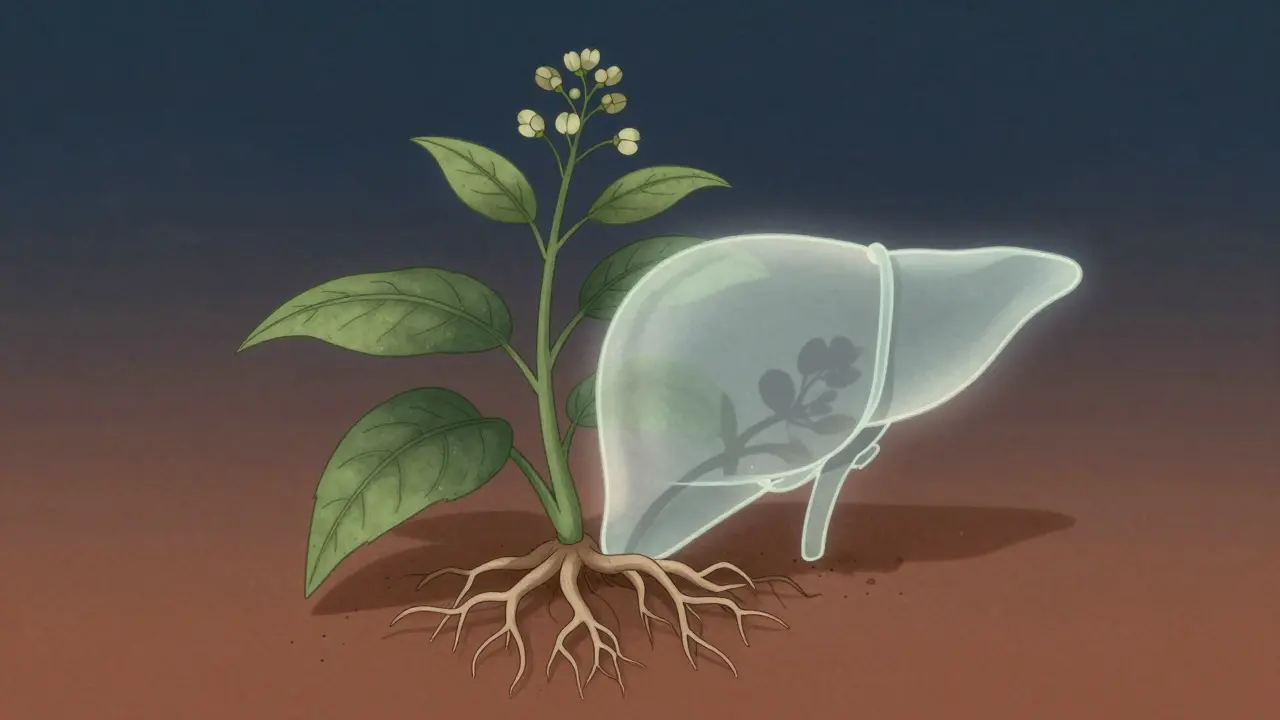
Imagine taking a natural supplement to ease hot flashes, only to end up in the hospital with liver damage. It sounds extreme, but it happens more often than you might think. More than fifty documented cases of liver injury have been linked to Black Cohosh , an herbal supplement derived from the roots and rhizomes of the North American native plant Cimicifuga racemosa. While millions rely on it for menopause symptoms, the conversation around its safety has shifted dramatically since 2003. You need to understand exactly how this root interacts with your body and other drugs before putting a bottle in your cupboard.
Understanding the Root Cause: What is Black Cohosh?
Black Cohosh isn't just a trendy wellness product; it has a history dating back to Native American remedies for women’s health. By 1830, it was officially listed in the United States Pharmacopeia. Fast forward to 2026, and it remains a popular choice for managing menopausal symptoms without traditional hormones. Standard formulations usually contain 20 to 40 mg of extract taken twice daily. Brands like Remifemin are among the most studied versions available today. The theory is that compounds called triterpene glycosides, such as actein and cimicifugoside, help regulate biological pathways involved in hormone balance.
However, the appeal comes with a hidden complexity. Unlike synthetic hormones, Black Cohosh operates through the Cytochrome P450 system, a group of enzymes responsible for metabolizing many medications in the liver. Specifically, it interacts with the CYP2D6 and CYP3A4 enzymes. If you take other prescriptions that rely on these same enzymes, the Black Cohosh could alter how your body processes those drugs, leading to either toxicity or reduced effectiveness.
The Hard Numbers on Liver Injury
You cannot ignore the data. The LiverTox database maintained by the NCBI Bookshelf to track hepatic injuries documents over fifty instances of clinically apparent liver injury linked to products labeled as Black Cohosh. This isn't just a few isolated blips. In these cases, the liver damage ranged from mild enzyme elevations to acute liver failure requiring transplantation. The pattern of injury is predominantly hepatocellular, meaning it affects the liver cells directly, accounting for about 70% of cases. Latency periods vary wildly; some users show symptoms after two weeks, others after six months.
| Herbal Supplement | Estimated Case Reports | Risk Profile | Primary Concern |
|---|---|---|---|
| Black Cohosh | ~50 Cases | Moderate | Hepatocellular Damage |
| Kava | 200+ Cases | High | Severe Hepatotoxicity |
| Red Clover | ~5 Cases | Low | Blood Clotting Issues |
| Green Tea Extract | Significant % | Volatile | Catechin Concentration |
While Black Cohosh accounts for fewer cases than Kava, the risk is still significant enough for major health organizations to issue warnings. For instance, a 2018 review noted it represented 4.7% of all herb-induced liver injuries in Western countries. Context matters here. In one severe case recorded in 2021, a 54-year-old woman developed acute liver failure necessitating a transplant after combining Black Cohosh with acetaminophen, even though she stayed within recommended doses.
Identifying Dangerous Medication Combos
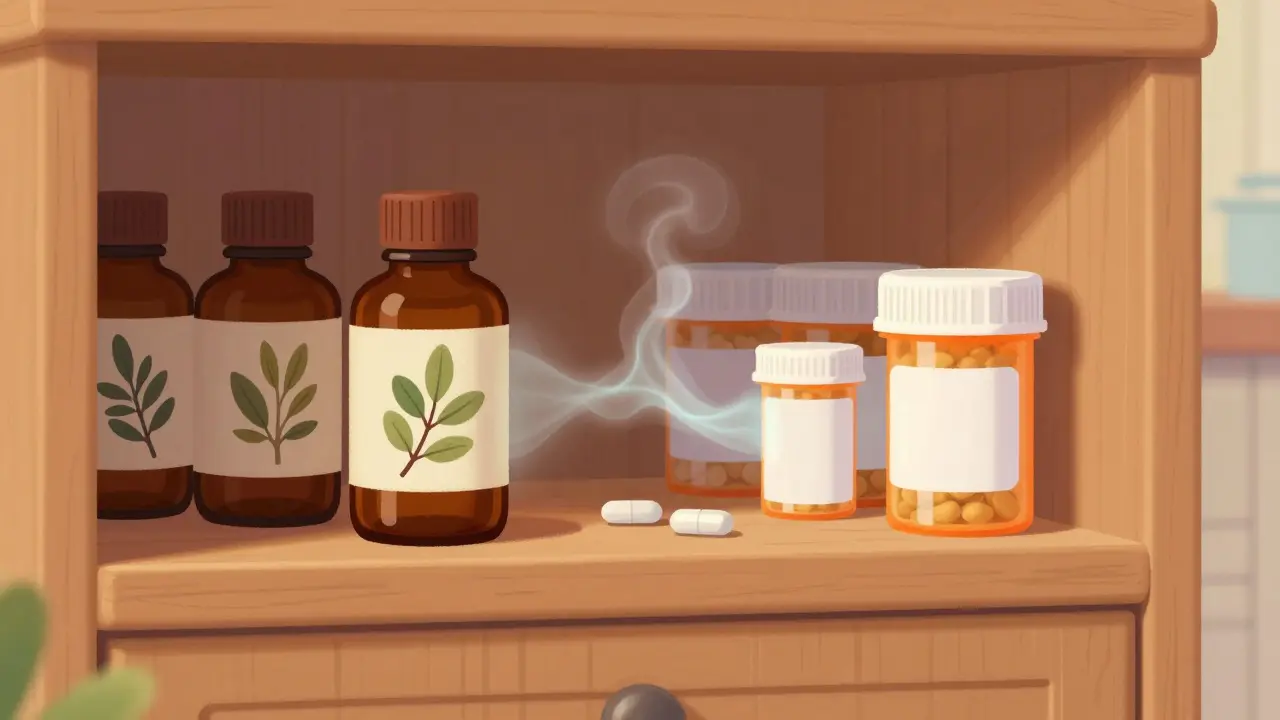
If you are currently on prescription medication, adding an unregulated supplement changes the equation entirely. The primary danger lies in how your liver metabolizes multiple substances simultaneously. Black Cohosh inhibits or induces certain enzymes, potentially causing other drugs to build up to toxic levels. The American College of Obstetricians and Gynecologists (ACOG), a leading professional association providing guidance on women's health care updated their practice guidelines in January 2024. They explicitly recommend against Black Cohosh for patients taking hepatotoxic medications.
Here are the specific pairings to watch out for:
- Acetaminophen: Even standard doses can become dangerous when combined with Black Cohosh due to shared metabolic pathways.
- Statins: Drugs used for cholesterol rely heavily on CYP3A4. Mixing them increases the risk of muscle damage and liver stress.
- Methotrexate: Often used for autoimmune issues or cancer, this drug has a narrow therapeutic index that Black Cohosh can disrupt.
- Clarithromycin: A strong antibiotic that acts as a potent inhibitor, creating a 3.2-fold increase in relative risk for liver injury when paired with the herb.
Don't guess. According to the Merck Manual Professional Edition, avoiding Black Cohosh with strong CYP3A4 inhibitors is a hard rule for protecting your liver function.
Recognizing Warning Signs Early
Your body sends signals before a crisis happens. Most injury cases report symptoms appearing between two to four months of use. If you decide to use Black Cohosh despite the risks, you need a proactive monitoring plan. Dr. Jayant A. Talwalkar, author of the LiverTox monograph, notes that injury severity ranges from elevated enzymes without jaundice to fatal outcomes. Knowing the signs helps you stop immediately.
Look for these specific symptoms:
- Dark Urine: Reported in 62% of injury cases, resembling the color of tea or cola.
- Jaundice: Yellowing of the eyes or skin, seen in nearly half of severe cases.
- Extreme Fatigue: Not just tiredness, but a debilitating lack of energy present in 76% of reports.
- Abdominal Pain: Typically felt in the upper right quadrant where the liver sits.
If you spot any of these, discontinue use and see a doctor immediately. Waiting for "normal" feeling returns often leads to worse outcomes.
Establishing a Safety Protocol
You don't have to fly blind. The integrative medicine program at the Mayo Clinic uses a strict screening protocol for patients interested in Black Cohosh. First, they order baseline liver function tests (LFTs). After starting the supplement, they schedule follow-up blood work at 8 weeks and again at 16 weeks. In their monitored group, 8.3% of patients showed transient ALT elevations above three times the upper limit of normal. This data suggests that regular testing catches issues early, before permanent damage occurs.
The American Herbal Pharmacopoeia, a global resource for standards on medicinal plants recommends limiting use to six months maximum, with mandatory monitoring. However, compliance is low. A 2022 study found only 22% of primary care physicians routinely check LFTs for patients using herbs. This means the responsibility falls on you. Keep a log of when you start, the brand name, dosage, and any side effects. Store your blood test results for future reference.
Safer Alternatives for Menopause Symptoms
Why take the risk if there are other options? The market context shows Black Cohosh sales declining by 4.7% annually since 2018, partly because safer paths exist. Selective serotonin reuptake inhibitors (SSRIs) are gaining acceptance for managing hot flashes without the liver burden. Additionally, non-hormonal prescription drugs like ospemifene offer targeted relief for vaginal dryness and hot flashes with better safety profiles.
If you prefer natural routes, Red Clover is often discussed alongside Black Cohosh. While both address menopause, Red Clover has significantly fewer reported liver injury cases (approximately five versus 50+ for Black Cohosh). Always discuss these alternatives with your provider to weigh the pros and cons based on your medical history.

Navigating Product Quality Issues
Not all bottles are created equal. Adulteration is a real problem. Some experts argue that many reported liver cases stem from contaminated products rather than the plant itself. Researchers note that authentic Black Cohosh extracts were not associated with liver enzyme elevations in prospective trials involving over 1,200 patients. The issue arises when companies substitute cheaper ingredients or sell mislabeled roots.
In response, some brands launched "liver-safe" formulations in 2023 claiming proprietary extraction methods remove hepatotoxic compounds. However, the American Gastroenterological Association issued a statement in June 2023 noting no clinical evidence supports improved safety for these modified versions yet. Until robust biomarkers prove otherwise, treat every Black Cohosh product with caution regardless of marketing claims.
Frequently Asked Questions
Can Black Cohosh cause permanent liver damage?
Yes, in rare but serious cases, Black Cohosh can lead to acute liver failure requiring transplantation. Most users recover upon discontinuation, but irreversible damage is possible if symptoms are ignored too long.
Which medications interact worst with this herb?
The most dangerous interactions involve drugs metabolized by CYP3A4 and CYP2D6 enzymes. These include statins, methotrexate, clarithromycin, and acetaminophen. Combining these with Black Cohosh increases hepatotoxicity risk significantly.
How often should I get my liver tested while using it?
The Mayo Clinic protocol suggests baseline tests followed by checks at 8 weeks and 16 weeks. Many experts recommend continuing periodic liver panels throughout the duration of use.
Is organic Black Cohosh safer for my liver?
Not necessarily. The risk comes from active compounds in the plant itself, not just pesticides. Organic labeling does not guarantee the absence of hepatotoxic triterpene glycosides or proper dosing controls.
Should I avoid it completely if I have a history of liver disease?
Absolutely. Both the U.S. Pharmacopeia and ACOG guidelines advise individuals with pre-existing liver conditions to avoid Black Cohosh entirely, as the liver may struggle to handle the added load.
Next Steps for Action
If you are considering starting Black Cohosh, prepare before you buy. Schedule an appointment with your primary care physician to review your current medication list. Ask specifically about CYP3A4 substrates. If you get the green light, purchase from a reputable manufacturer that undergoes third-party testing for authenticity. Keep a symptom diary and set a calendar reminder for your first liver panel in two months.
If you experience dark urine or yellowing skin, stop taking the supplement immediately and seek medical attention. There is no place for pride in liver health; early intervention saves lives. Prioritize treatments with established safety profiles, especially if you manage chronic conditions. Your body processes everything you put in it, and knowing the cost of that processing is the first step toward true wellness.
Arun Kumar
April 2, 2026 AT 07:46We really need to talk about how natural remedies aren't always harmless just because they come from plants. Many of us grew up believing herbs are safer than pills without realizing the chemical complexity involved. Your liver processes everything you ingest regardless of marketing claims about organic sources. It is crucial to respect the biological pathways that manage detoxification in our bodies. People often ignore basic pharmacology when they seek alternatives to standard prescription drugs. We must encourage conversations between patients and doctors before starting any supplement regimen. Safety depends entirely on transparency regarding current medication lists and family history. Small changes in liver enzymes can indicate serious trouble brewing beneath the surface. Let us prioritize health over quick fixes and listen to what our bodies tell us daily. Prevention is always better than trying to reverse damage after symptoms appear. Take care of your internal organs before you consider adding new substances.
Julian Soro
April 2, 2026 AT 17:52I completely agree with your points about communication with healthcare providers being vital. It is so empowering when we take control of our health choices through education. You made a fantastic case for why we should check our liver function regularly. Many people feel empowered when they know exactly what they are putting into their systems. Keep sharing this kind of information because it saves lives every single day. Thanks for looking out for everyone here and spreading the word about these risks.
Jenny Gardner
April 3, 2026 AT 19:41This is such an eye-opening piece of information!!! I never realized how dangerous mixing supplements could actually be!!! The statistics mentioned here are absolutely shocking!!! Everyone needs to read this immediately to protect themselves!!! Please share this with your friends and family members right away!!! We need to stop ignoring these medical warnings anymore!!! Safety should be our number one priority in wellness!!! Thank you for doing this research!!! It is truly a wake-up call for many women!!!
Rocky Pabillore
April 5, 2026 AT 16:38The lack of critical thinking regarding herbal supplements in this country is genuinely disappointing. Educated individuals understand that botany involves complex chemistry rather than magical cures. Most consumers are woefully uninformed about cytochrome P450 interactions and rely on anecdotal evidence. It is amusing that people think roots grow in vacuum sealed conditions without contaminants. Real science requires controlled studies not just testimonials from wellness forums. Until regulations tighten significantly we shall continue seeing preventable hospitalizations. Superior minds would read the pharmacopoeia before swallowing anything unverified.
Molly O'Donnell
April 6, 2026 AT 21:11Facts remain that black cohosh inhibits CYP3A4 enzymes directly.
Rod Farren
April 8, 2026 AT 09:26The metabolic clearance rate is heavily dependent on hepatic enzyme function specifically CYP3A4 and CYP2D6 pathways. Induction of these enzymatic systems leads to premature substrate degradation of co-administered pharmaceutical agents. Consequently therapeutic serum concentrations may drop below established efficacy thresholds quite rapidly in high volume users. Conversely competitive inhibition results in toxic accumulation of parent compounds within the systemic plasma circulation. Clinicians frequently overlook detailed herbal supplementation history during routine initial patient assessments. This specific oversight creates a significant diagnostic blind spot in standard patient monitoring protocols worldwide. Elevated alanine aminotransferase levels serve as the earliest reliable biomarkers for hepatocellular stress indicators. Detecting these subtle elevations requires mandatory baseline testing prior to treatment initiation. Serial monitoring provides necessary longitudinal data points for accurate trend analysis over time. Ignoring minor fluctuations allows potential progression to severe centrilobular necrosis undetected by primary care staff. Acute liver failure typically presents clinically with rapid onset coagulopathy and hepatic encephalopathy. National transplant lists become critically full whenever sudden demand spikes occur unexpectedly. Risk stratification models currently do not adequately account for unregulated botanical compound ingestion patterns. Therefore strict adherence to updated pharmacovigilance standards remains medically essential for patient safety outcomes.
Sharon Munger
April 9, 2026 AT 21:40Great technical breakdown there really appreciate the detail. Its hard to find info this clear on liver function tests. Will keep an eye on ALT levels now.
Callie Bartley
April 10, 2026 AT 16:04I am absolutely terrified reading about the transplants mentioned in the table. This sounds like a horror movie plot where nature tries to kill you. How can companies sell poison disguised as help for menopause naturally. My neighbor lost her husband to liver issues and I see the signs everywhere now. It feels like a conspiracy against women trying to stay healthy safely. Nobody wants to end up needing a new organ just for hot flashes relief. The stakes are simply too high to gamble with our precious health. We need stricter bans on these dangerous plant extracts immediately. Waiting for regulatory approval is not going fast enough for me personally. Please stay away from this herb until laws change completely.
James DeZego
April 10, 2026 AT 20:19Your concern is totally valid and understandable given the risks today :) We just need to be smarter about sourcing and screening tests. Staying informed helps everyone avoid those scary outcomes you described. Thanks for raising awareness so others can learn from these stories :)
Eleanor Black
April 11, 2026 AT 00:26I wish to express my deep gratitude for bringing this critical information to light for our community. It is indeed imperative that we consider the physiological complexities of herbal interactions before consumption. The discussion regarding hepatic strain is particularly poignant for those managing chronic conditions simultaneously. One must acknowledge the historical context of these remedies while respecting modern medical findings. We cannot ignore the statistical probability of adverse events despite individual variations in susceptibility. Early detection relies heavily upon vigilance and regular biochemical monitoring schedules. Patients should maintain open dialogues with their physicians regarding all ingested substances consistently. The burden of proof rests on manufacturers to demonstrate safety beyond reasonable doubt. Education serves as the primary defense mechanism against unintentional self-harm through negligence. We must advocate for clearer labeling requirements within the supplement industry standards. Future policies ought to reflect the gravity of these hepatotoxicity warnings presented here. Collective responsibility demands that we share knowledge freely among our social networks. Health preservation requires proactive measures rather than reactive crisis management strategies. We all benefit when public understanding aligns with current scientific consensus.
Christopher Beeson
April 12, 2026 AT 19:19The deeper truth here is that society fears natural death more than artificial intervention. We consume chemicals hoping to silence the signals our body sends us constantly. This herb issue exposes the fragility of our trust in commercialized wellness culture. True wisdom lies in recognizing limits before destruction becomes inevitable reality.
Cara Duncan
April 13, 2026 AT 06:30Its true that balance is key in everything we do for wellness journey 😊 Natural doesnt always mean safe but avoiding fear helps too. We should just talk to doctors and make informed choices together. Hope everyone stays safe out there 💕
Cullen Zelenka
April 14, 2026 AT 23:11Just avoid mixing supplements without asking your doctor first because the liver is busy enough.