
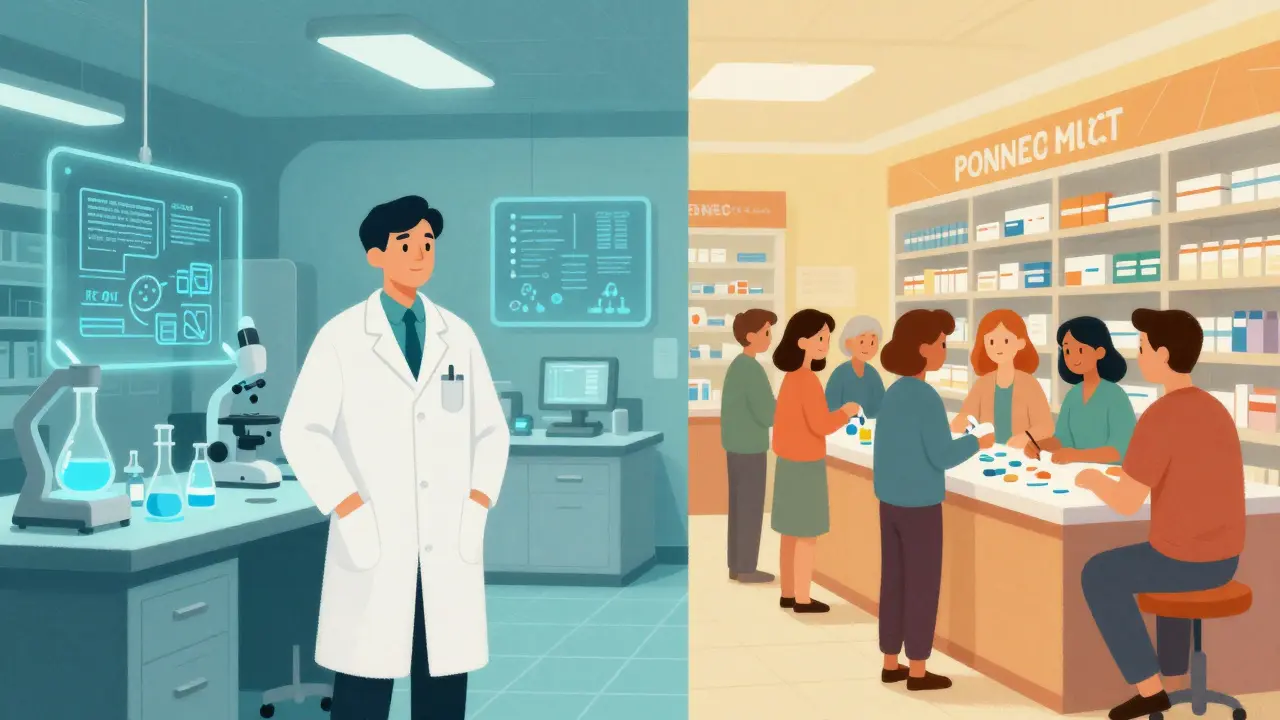
The Legal Foundation: The Hatch-Waxman Act
You can't understand the ANDA without looking at the Hatch-Waxman Act. Formally known as the Drug Price Competition and Patent Term Restoration Act of 1984, this law fundamentally changed how drugs enter the market. Before this, generic companies often had to conduct their own safety and efficacy trials, which was an astronomical waste of resources. Hatch-Waxman created a "shortcut." It allows a generic company to rely on the FDA's previous finding that the brand-name drug is safe and effective.
This legal framework introduced the concept of the Reference Listed Drug (or RLD). The RLD is the original brand-name product that the FDA has already approved. To get a generic approved, the manufacturer doesn't need to prove the drug works-they just need to prove their version is therapeutically equivalent to the RLD. This shift reduced development costs from billions of dollars to an average of $5 to $10 million per application.
Core Legal and Technical Requirements for Approval
Getting an ANDA approved isn't as simple as copying a formula. The FDA has strict requirements to ensure that a generic drug performs exactly like the brand-name version. If you miss a single detail in your submission, you risk a "Refuse-to-Receive" (RTF) decision, which can set your timeline back by months.
- Identity and Strength: The generic must have the same active ingredient, dosage form, strength, and route of administration as the RLD. If you want to change an inactive ingredient, you have to file a suitability petition under Section 505(j)(2)(C) of the FD&C Act.
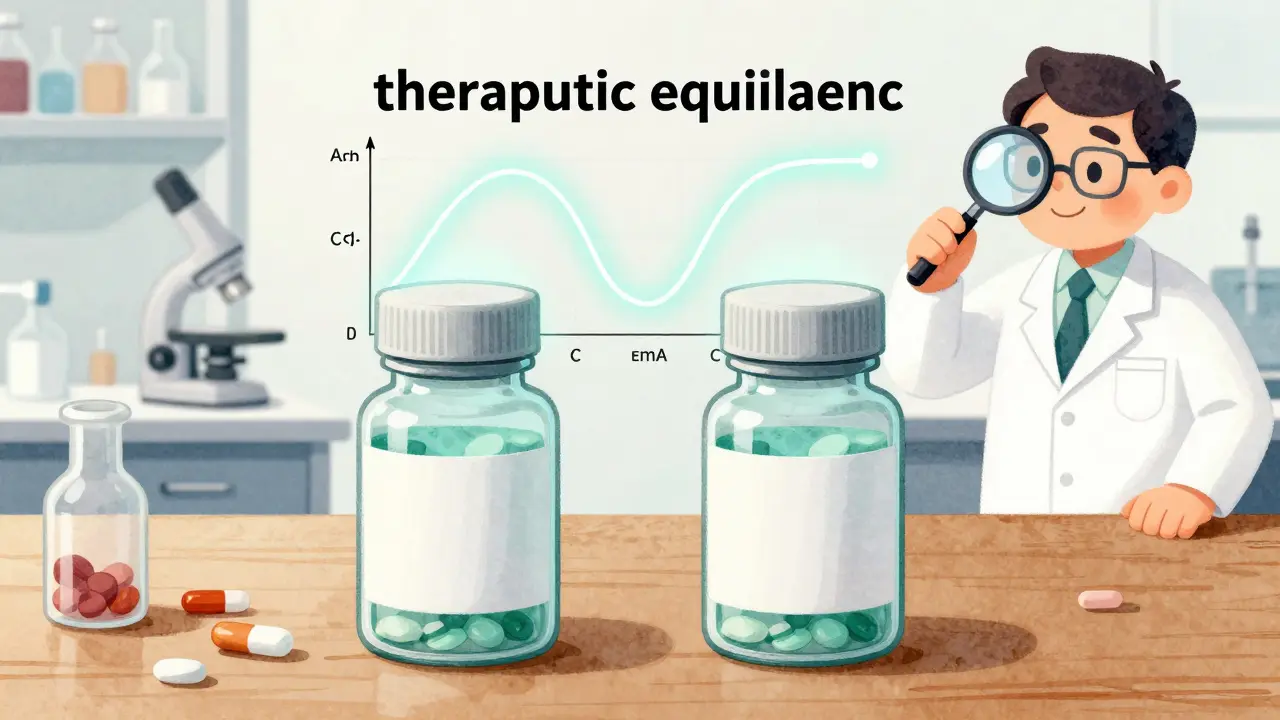
- Bioequivalence: This is the most critical hurdle. You must prove through pharmacokinetic studies that the drug enters the bloodstream at a similar rate and extent as the RLD. Specifically, the 90% confidence intervals for Cmax (maximum concentration) and AUC (area under the curve) must fall between 80% and 125% of the RLD's values.
- Labeling: The labeling must be virtually identical to the RLD, with only minor changes to reflect the generic nature of the product.
- CMC Documentation: The Chemistry, Manufacturing, and Controls (CMC) section is where many companies fail. You need detailed data on how the drug is made, how it's tested for quality, and stability data showing it doesn't degrade over time.
| Feature | ANDA (Abbreviated) | 505(b)(2) NDA | Full NDA (New Drug) |
|---|---|---|---|
| Average Cost | $5M - $10M | $50M - $100M | ~$2.3 Billion |
| Development Time | 3-5 Years | 7-9 Years | 10-15 Years |
| Clinical Trials | Not Required (Bioequivalence only) | Partial/Modified | Full Safety & Efficacy |
| Primary Use Case | Exact Generic Copy | Modified Formulation | New Chemical Entity |
Navigating Patent Certifications and Litigation
The legal battle doesn't end with the science; it often happens in the courtroom. When a company files an ANDA, they must make a patent certification. This is where things get messy. Under the Hatch-Waxman rules, a generic manufacturer must provide one of four certifications:
- Paragraph I: No patent has been filed.
- Paragraph II: The patent has expired.
- Paragraph III: The generic will not be marketed until the patent expires.
- Paragraph IV: The patent is invalid, unenforceable, or the generic product is not infringed by the proposed product.
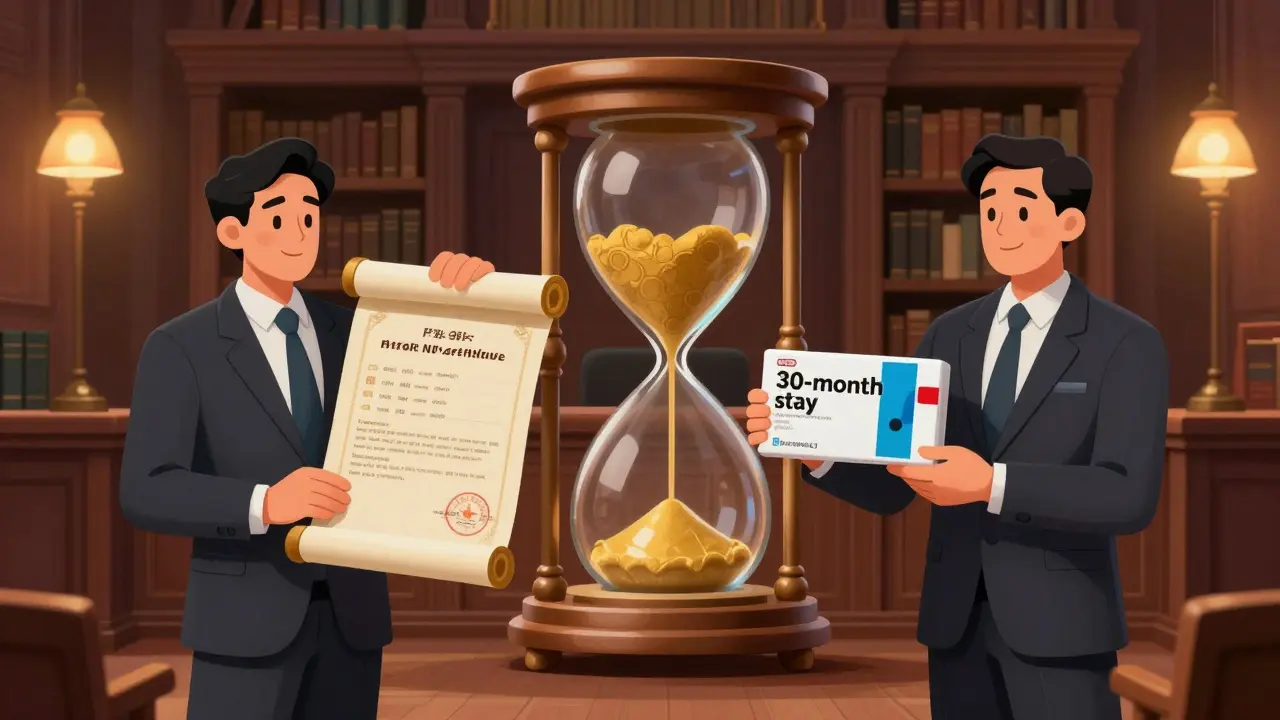
A Paragraph IV certification is a bold move. It's essentially a legal challenge to the brand-name company's patent. While this is the fastest way to get a drug to market before a patent expires, it often triggers a lawsuit. If the brand company sues, the FDA typically grants a 30-month stay, meaning the generic can't be approved until the legal dispute is settled. Some companies have seen these delays stretch to 41 months, even when their product was scientifically perfect.
The Submission Process and Costs
Submitting an ANDA is a massive administrative undertaking. Applications must be submitted in the Electronic Common Technical Document (eCTD) format, divided into 15 detailed modules. You'll need Form FDA-356h and the FDA-3674 user fee cover sheet.
Then there are the fees. Under the Generic Drug User Fee Amendments (GDUFA), the FDA charges significant sums to process applications. For the 2024 fiscal year, an original ANDA submission costs $129,500. If you're just filing a prior approval supplement, it's $5,000. These fees help the FDA meet performance goals, such as the GDUFA III target of approving 90% of standard ANDAs within 10 months.
To support the application, you can't just use lab samples. You need exhibit batches manufactured at a commercial scale-usually at least 10% of the final commercial batch size or 100,000 dosage units. These batches must be produced in facilities that follow Current Good Manufacturing Practices (cGMP), and be prepared for an FDA inspection.
Complexity and Modern Challenges
Not all generics are created equal. While a simple pill is relatively easy to copy, "complex generics" like inhalers, nasal sprays, or ophthalmic suspensions are a different beast. These products don't just rely on the chemical ingredient; the device (like the pump in an inhaler) and the delivery mechanism are part of the drug's performance.
The success rate for these complex products is much lower. According to FDA data, only 42% of complex generic applications are approved on the first review, compared to 78% for conventional generics. Companies like Teva have reported spending tens of millions of extra dollars and facing review timelines of over 40 months due to issues with device functionality testing. This has led to a rise in "first-cycle review deficiency rates," as the FDA becomes more stringent about how these complex products are validated.
Pro Tips for a Successful Application
If you're entering this space, don't wing it. The learning curve for regulatory affairs is steep, often taking 2-3 years to master. The most common mistakes usually happen in the CMC section-specifically inadequate data on container closure systems. If the bottle or blister pack doesn't protect the drug perfectly, the whole application is rejected.
A smart strategy is to request a pre-ANDA meeting with the FDA. Thousands of these happen every year because it's the only way to get a pulse on what the reviewers are looking for before you commit millions to a bioequivalence study. Additionally, use the Orange Book to identify the correct RLD and its associated patents. If you misidentify the RLD, your entire regulatory foundation is wrong.
What is the difference between an ANDA and an NDA?
A New Drug Application (NDA) is for entirely new drugs and requires full preclinical and clinical trials to prove safety and efficacy. An Abbreviated New Drug Application (ANDA) is for generics; it is "abbreviated" because it doesn't require those trials. Instead, the applicant proves the generic is bioequivalent to a brand-name drug already approved via an NDA.
How long does the ANDA approval process typically take?
For standard generics, the GDUFA III targets aim for a 10-month review. However, the actual timeline from development to approval usually spans 3 to 5 years. Complex generics often take much longer, sometimes exceeding 30 months just for the review phase due to the technical difficulty of proving bioequivalence.
What happens during a Paragraph IV certification?
A Paragraph IV certification occurs when a generic company claims the brand-name drug's patent is invalid or not infringed. This often leads to patent litigation. If the brand company sues within 45 days, the FDA typically imposes a 30-month stay on the generic's approval while the court decides the case.
What are the most common reasons for an ANDA being rejected?
The most frequent causes for "Refuse-to-Receive" (RTF) decisions include incomplete bioequivalence protocols (about 28% of cases) and inadequate CMC (Chemistry, Manufacturing, and Controls) information (about 23%), particularly regarding stability data and container closure validation.
Are there any alternatives to the ANDA pathway?
Yes, the 505(b)(2) pathway is a middle ground. It is used when a company wants to create a product that is similar to an RLD but has a different dosage, formulation, or route of administration. It requires more data than an ANDA but less than a full NDA, typically costing $50M-$100M to develop.
Christopher Cooper
April 5, 2026 AT 11:29The bioequivalence requirements are a fascinating part of this. It's wild that a 5% margin of error is essentially the gold standard for ensuring these drugs behave the same way in the body. The balance between strict regulatory oversight and the need for market accessibility is a real tightrope walk.
Daniel Trezub
April 6, 2026 AT 15:57Sure, the $2.2 trillion savings sounds great on paper, but people love to ignore how this actually kills the incentive for breakthrough research in the long run. If the payout is just a few years of monopoly before a generic swoops in, why would any sane VC fund the risky stuff? It's a race to the bottom disguised as consumer savings.
Vivek Hattangadi
April 6, 2026 AT 22:10Spot on regarding the CMC section! I've seen so many teams overlook the stability data until it's too late. It's all about that meticulous preparation and documentation. If you've got a solid handle on your container closure systems, you're already ahead of half the competition!
Ethan Davis
April 8, 2026 AT 01:59Big Pharma just uses Paragraph IV litigation to keep the cheap stuff off the shelves. They don't care about safety, they just care about that 30-month stay to keep milking the patients dry. The whole system is rigged to favor the giants while the FDA just plays along.
Rupert McKelvie
April 10, 2026 AT 01:38This is a great breakdown of a complex system. It's really heartening to see how the Hatch-Waxman Act has paved the way for so many people to actually afford their medication. Such a win for public health.
dwight koyner
April 11, 2026 AT 12:39It is worth noting that the 505(b)(2) pathway provides a critical bridge for incremental innovation. While the ANDA is designed for exact copies, the (b)(2) allows for improvements in delivery or dosing that can significantly enhance patient compliance. This pathway often requires a more nuanced approach to clinical pharmacology than a simple bioequivalence study, which is why the cost is substantially higher. For professionals in regulatory affairs, understanding when to pivot from a generic approach to a modified formulation is key to a successful product lifecycle strategy. Ensuring that the CMC data is robust is paramount, especially when dealing with modified release profiles. The FDA's scrutiny on stability and impurity profiles for these modified versions is often much higher than for a standard generic. Furthermore, the intellectual property landscape for (b)(2) products can be more complex, as you are not just challenging an existing patent but potentially creating new ones. It is a strategic decision that requires a deep analysis of both the market need and the regulatory risk. I highly recommend that any firm considering this path performs a thorough gap analysis of their existing data against the RLD's known performance. This prevents the costly 'Refuse-to-Receive' scenarios mentioned earlier. Ultimately, the goal is to provide a better therapeutic option while navigating a slightly less arduous path than a full NDA. It's a sophisticated game of regulatory chess.
Michael Flückiger
April 11, 2026 AT 14:01The 30-month stay is just brutal!!! It's a total nightmare for smaller companies trying to break in... absolutely ridiculous!!!
Jamar Taylor
April 12, 2026 AT 03:07Keep pushing through those CMC hurdles, everyone! It's a steep climb but getting that approval is so rewarding for the people who get cheaper meds.