
Pediatric Medication Side Effects: What Parents Need to Know
When a child takes a new medicine, pediatric medication side effects, unwanted reactions in children from prescription or over-the-counter drugs. Also known as adverse drug reactions in kids, they can range from mild rashes to serious changes in behavior or breathing. Unlike adults, kids don’t always tell you something feels off—so watching for subtle signs is key.
Common pediatric drug interactions, harmful combinations when medicines mix with food, supplements, or other drugs often fly under the radar. For example, montelukast (Singulair) can cause mood changes in some children, while nasal steroid sprays might lead to nosebleeds if used too aggressively. Even something as simple as ibuprofen can upset a young stomach or affect kidney function if given in the wrong dose. And let’s not forget children's drug safety, the practice of choosing, dosing, and monitoring medications to minimize harm in young patients. It’s not just about giving the right pill—it’s about knowing how their bodies process it differently than adults.
Some side effects show up fast—vomiting, drowsiness, or a sudden rash. Others creep in slowly: loss of appetite, trouble sleeping, or acting out at school. If your child starts acting like a different kid after starting a new medicine, it’s worth asking your doctor. Many parents don’t realize that certain antibiotics, ADHD meds, or even allergy pills can cause anxiety, irritability, or sleep problems in kids. And while most reactions aren’t dangerous, missing the early signs can turn a small issue into a big one.
You’re not alone in wondering what’s normal and what’s not. The posts below cover real cases: how montelukast affects kids’ moods, why some nasal sprays cause nosebleeds, and what to do when a child reacts badly to a common cold medicine. You’ll find clear, no-fluff advice on spotting trouble, when to call the doctor, and how to talk to your pharmacist about safer options. This isn’t theory—it’s what real parents and doctors have seen, and what you need to know before your child takes the next pill.
23
Nov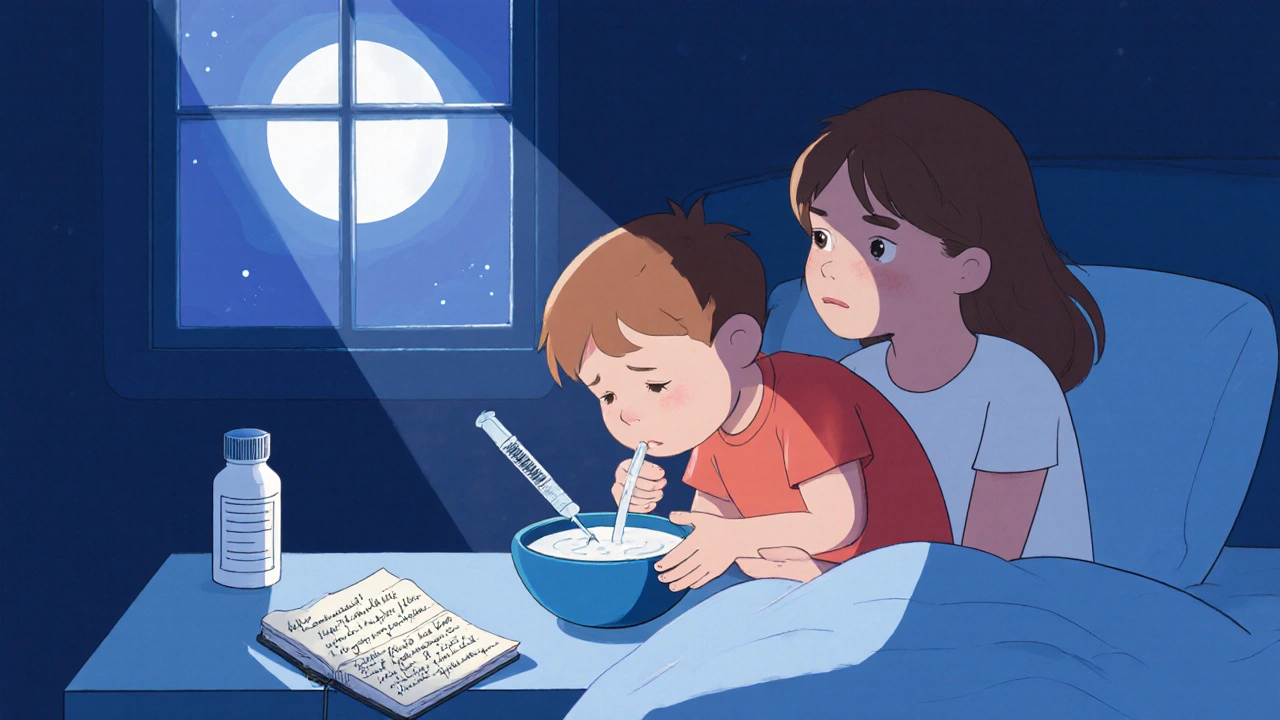
How to Manage Pediatric Medication Side Effects at Home
Learn how to safely manage common pediatric medication side effects at home - from vomiting and rashes to dosing errors and storage mistakes. Practical, evidence-based steps for parents.
READ MORE© 2026. All rights reserved.