
Pediatric Dosing Errors: What Parents and Caregivers Need to Know
When it comes to giving medicine to children, pediatric dosing errors, mistakes in the amount, frequency, or type of medication given to children. These aren’t just minor slip-ups—they’re one of the top reasons kids end up in emergency rooms. Even small mistakes can lead to serious harm because a child’s body processes drugs differently than an adult’s. A teaspoon isn’t a tablespoon. A pill meant for a 40-pound child isn’t safe for a 70-pound teen. And giving adult medicine in a child’s dose? That’s a recipe for trouble.
medication administration, the process of giving drugs to patients, especially in home or clinical settings. drug dosing for kids requires precision. Many parents use kitchen spoons because they’re handy, but those vary wildly in size. Some use syringes or droppers, which are better—but even then, confusion between milliliters and teaspoons happens often. children's medication safety, the practices and systems that prevent harmful mistakes when giving drugs to kids isn’t just about reading labels. It’s about understanding weight-based calculations, avoiding double-dosing, and knowing when to call a doctor instead of guessing. The FDA and AAP both warn that over-the-counter cold and cough medicines are especially risky for young children. Many parents don’t realize that Tylenol and Motrin have different active ingredients, and mixing them by accident is common. Even when you think you’re being careful, sleep-deprived nights, similar-looking bottles, or rushed routines can lead to errors.
pediatric pharmacy, the specialized field of pharmacy focused on drug use in infants, children, and adolescents has tools to help—like weight-based dosing charts, electronic prescribing systems, and pediatric-specific formulations. But not every pharmacy has those, and not every caregiver knows to ask. That’s why knowing the basics matters: always check the label for weight or age limits, use the tool that came with the medicine, and never assume a dose is safe just because it worked for another child. If you’re unsure, call your pharmacist. They’re trained to catch these mistakes before they happen.
You don’t need to be a medical expert to prevent pediatric dosing errors. You just need to be careful, double-check, and ask questions. The posts below cover real cases, practical tips, and common traps—like confusing liquid concentrations, misreading prescriptions, or using expired medicine. Whether you’re a parent, grandparent, babysitter, or caregiver, this collection gives you the facts you need to keep kids safe.
23
Nov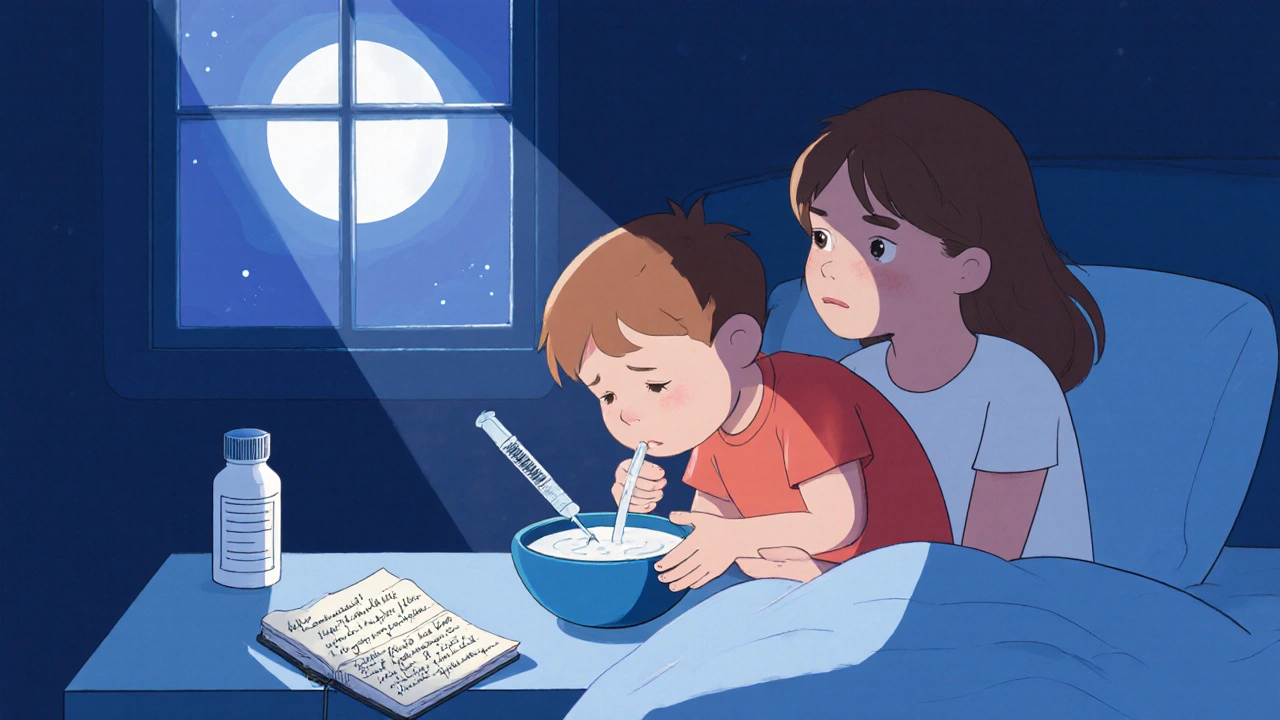
How to Manage Pediatric Medication Side Effects at Home
Learn how to safely manage common pediatric medication side effects at home - from vomiting and rashes to dosing errors and storage mistakes. Practical, evidence-based steps for parents.
READ MORE© 2026. All rights reserved.