
Home Care for Pediatric Side Effects: What Works and What to Avoid
When kids react to medications, it’s not just about the pill—they feel the side effects too. Home care for pediatric side effects, practical, everyday steps parents take to ease discomfort from drugs like antibiotics, asthma inhalers, or ADHD meds. Also known as managing child drug reactions at home, it’s about reducing nausea, rashes, sleep issues, or irritability without rushing back to the clinic. Most side effects in children are mild, but they can feel overwhelming when your kid is fussy, refuses to eat, or can’t sleep. The good news? You don’t always need another prescription to help.
Pediatric medication side effects, unwanted reactions children experience after taking drugs, from mild stomach upset to skin rashes or mood changes. Also known as childhood drug responses, they’re more common than you think. Antibiotics can cause diarrhea. Steroids might make kids hungrier or more irritable. Even something as simple as an antihistamine can lead to drowsiness or dry mouth. These aren’t always signs of something serious—but they do need attention. What works? Hydration, gentle foods, cool compresses for rashes, and keeping a calm environment. What doesn’t? Giving extra OTC meds without checking with a doctor. Mixing ibuprofen with cough syrup? That’s a recipe for overdose. And don’t assume natural means safe—some herbal remedies interact with prescriptions.
Managing side effects in kids, the daily decisions parents make to balance treatment and comfort, like adjusting meal times, using humidifiers, or tracking symptoms in a journal. Also known as child-friendly symptom relief, it’s not about fixing everything—it’s about making your child feel better while the medicine does its job. If your child gets a rash after a new antibiotic, note where it started, how fast it spread, and if it’s itchy or painful. Keep a log. That info helps the doctor decide if it’s a harmless reaction or something needing change. For nausea, small sips of clear fluids every 15 minutes beat forcing a full meal. For trouble sleeping from stimulants, move the last dose earlier. These aren’t magic tricks—they’re simple, science-backed habits. And if your child has a fever after a vaccine? A lukewarm bath and extra cuddles often do more than Tylenol alone.
You’ll find real examples in the posts below: how to handle diarrhea from antibiotics, what to do when a steroid makes your child restless, why some kids get skin reactions to nasal sprays, and how to tell if a reaction is serious or just a nuisance. There’s no one-size-fits-all fix, but you don’t have to guess. The right home care can turn a rough week into a manageable one.
23
Nov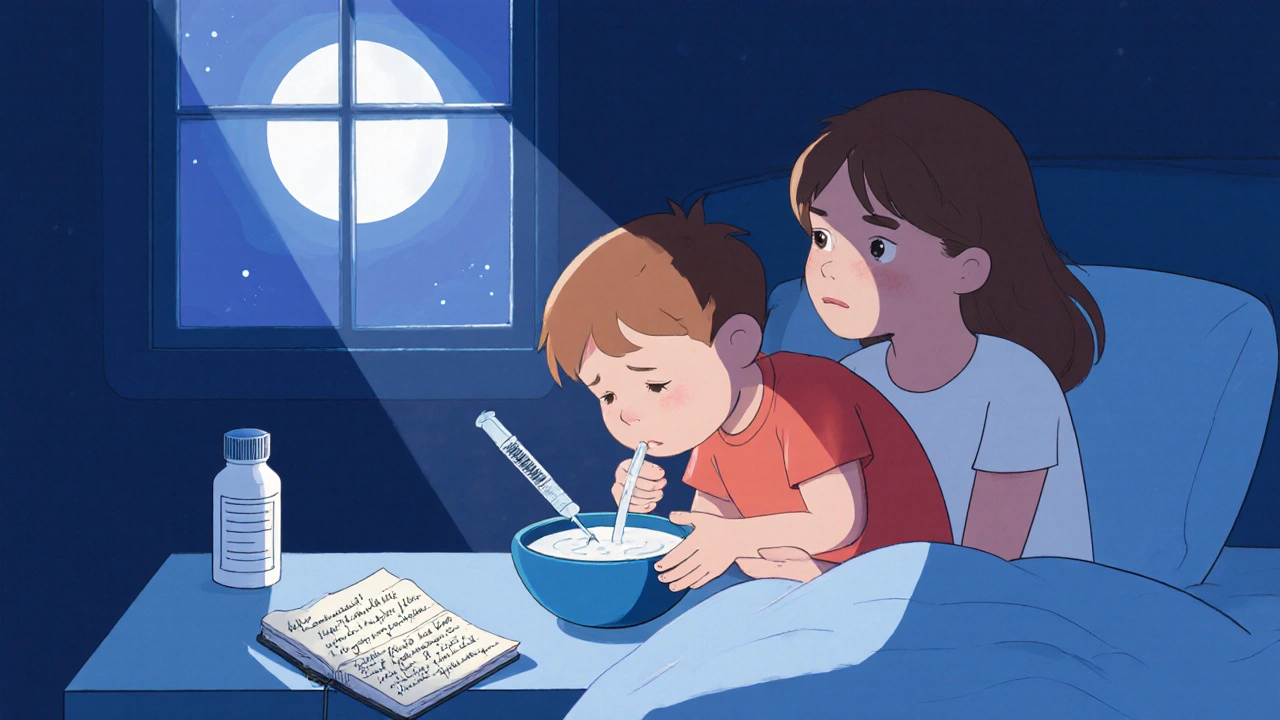
How to Manage Pediatric Medication Side Effects at Home
Learn how to safely manage common pediatric medication side effects at home - from vomiting and rashes to dosing errors and storage mistakes. Practical, evidence-based steps for parents.
READ MORE© 2026. All rights reserved.