
Crohn's Disease: Causes, Symptoms, and What You Can Do
When your digestive tract becomes chronically inflamed, it’s not just discomfort—it’s a battle your body didn’t sign up for. Crohn's disease, a type of inflammatory bowel disease that can affect any part of the gastrointestinal tract from mouth to anus. Also known as regional enteritis, it’s not caused by diet or stress, but by your immune system turning against your own gut lining. Unlike ulcerative colitis, which only hits the colon, Crohn’s can strike anywhere, and it doesn’t stop at the surface—it digs deep, creating ulcers, scar tissue, and sometimes fistulas that connect organs that shouldn’t be connected.
This isn’t just about belly pain. People with Crohn’s often deal with constant diarrhea, unexplained weight loss, fatigue, and even joint pain or skin rashes. The inflammation doesn’t stay quiet—it flares up unpredictably, making life feel like a rollercoaster. Some people go months without symptoms, then wake up one day with fever and cramps so bad they can’t stand. And while no one knows exactly why it starts, genetics, gut bacteria, and immune misfires all play a role. It’s not contagious, but it does run in families. If you’ve got a close relative with Crohn’s, your risk goes up.
What helps? It’s not one-size-fits-all. Some people find relief with anti-inflammatory drugs like mesalamine, others need immunosuppressants to calm down their overactive immune system. Biologics—drugs that target specific proteins driving the inflammation—have changed the game for many. But medication isn’t the whole story. Diet matters. Smoking makes it worse. Stress doesn’t cause it, but it can make flares harder to manage. And while there’s no cure yet, people are living fuller lives than ever before thanks to better treatments and smarter self-management.
What you’ll find below aren’t just articles about drugs or symptoms. You’ll see real talk about how Crohn’s connects to other conditions—like how it overlaps with autoimmune responses, what medications can trigger side effects, and why gut health ties into everything from skin problems to nutrient absorption. Some posts dive into how immune system triggers work. Others explain how drug interactions can sneak up on you. And there’s even info on how to handle medication when you’re traveling or managing side effects at home. This isn’t theory. It’s what people with Crohn’s actually need to know to take back control.
27
Nov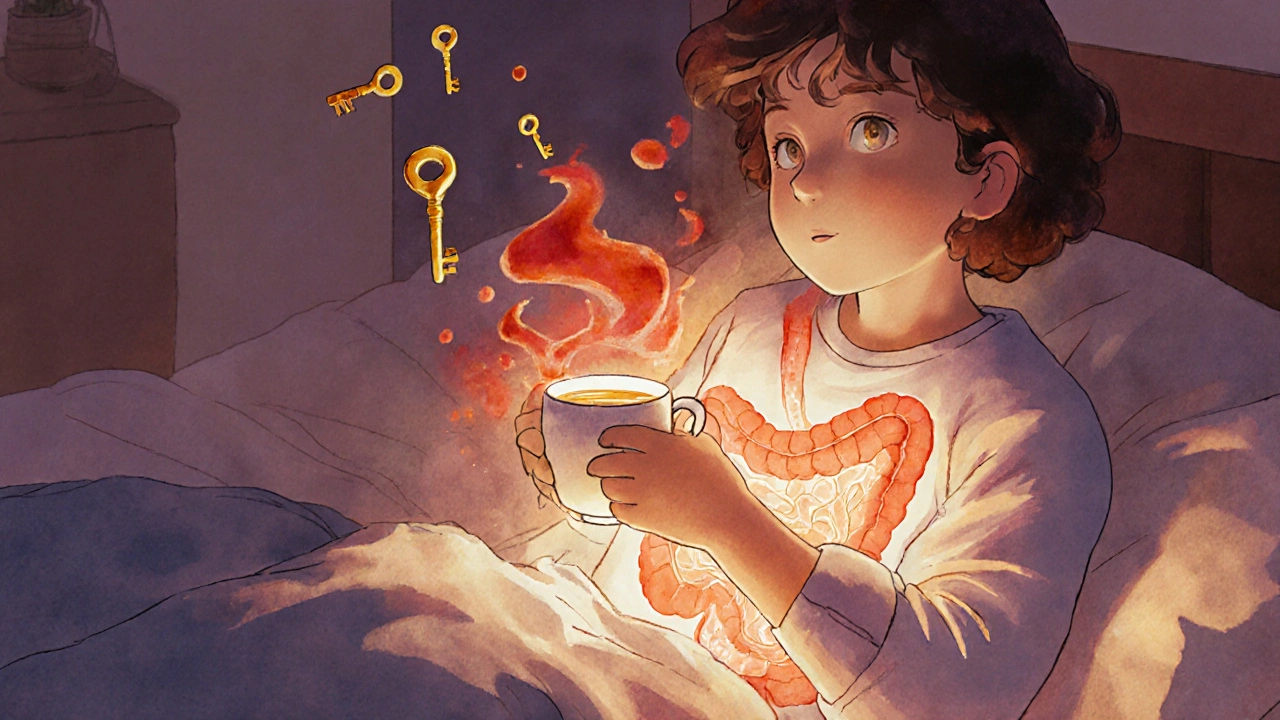
Crohn’s Disease: Managing Chronic Inflammation with Biologic Therapy
Biologic therapy has transformed Crohn’s disease management by targeting specific immune pathways to reduce inflammation and prevent complications. Learn how these drugs work, which ones are most effective, and what real patients experience.
READ MORE© 2026. All rights reserved.