
Child Medication Safety: What Parents Need to Know About Dosages, Interactions, and Risks
When it comes to child medication safety, the practice of giving medicines to children in ways that minimize harm and maximize benefit. Also known as pediatric drug safety, it’s not just about giving the right pill—it’s about getting the dose right, knowing what not to mix, and understanding that a child’s body reacts differently than an adult’s. Every year, thousands of children end up in emergency rooms because of medication mistakes. Many of these aren’t accidents—they’re preventable.
Pediatric drug dosing, the precise calculation of medicine amounts based on a child’s weight, age, and health condition is one of the biggest challenges. A teaspoon of liquid medicine isn’t the same as a tablespoon. A pill meant for a 70-pound child can be deadly for a 30-pound one. Even small errors—like using a kitchen spoon instead of a dosing syringe—can lead to overdose. The child drug interactions, harmful reactions when two or more medications or substances are taken together are just as dangerous. Mixing common OTC cold syrups with allergy meds can cause sedation, rapid heart rate, or worse. Some kids on asthma inhalers or seizure meds can have life-threatening reactions to ingredients in cough syrups like dextromethorphan or pseudoephedrine. These aren’t rare cases. Studies show over half of pediatric medication errors involve OTC drugs parents think are "safe."
And it’s not just about pills. Topical creams, eye drops, and even supplements can cause harm if misused. A parent might use adult-strength hydrocortisone on a rash, not knowing it can thin a child’s skin. Or give melatonin for sleep without realizing it can interfere with puberty hormones. Pediatric medication errors, mistakes in prescribing, dispensing, or administering medicine to children often happen because labels are confusing, instructions are vague, or caregivers assume "natural" means "safe." But even herbal remedies and vitamins can interact with prescription drugs or overload a child’s liver.
What you’ll find in the posts below isn’t theory—it’s real-world guidance. You’ll see how to check if a medicine is safe for your child’s age, how to spot dangerous combinations (like MAOIs and cold meds), why some drugs like montelukast work better for kids than others, and what to do when you’re unsure. No fluff. No marketing. Just clear, practical steps to protect your child from preventable harm.
23
Nov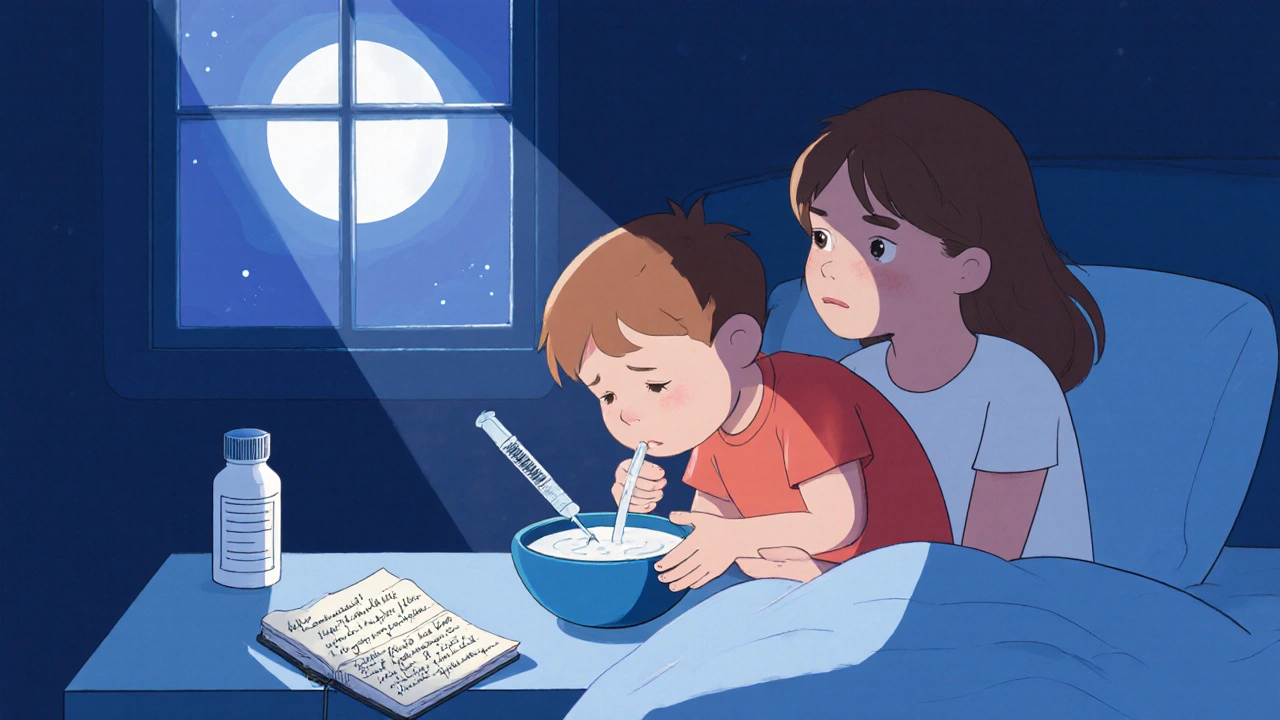
How to Manage Pediatric Medication Side Effects at Home
Learn how to safely manage common pediatric medication side effects at home - from vomiting and rashes to dosing errors and storage mistakes. Practical, evidence-based steps for parents.
READ MORE© 2026. All rights reserved.