
Brand Drug Strategy: How Pricing, Patents, and Alternatives Shape Your Medication Choices
When you hear brand drug strategy, the business plan pharmaceutical companies use to protect profits and control market access for name-brand medications. Also known as originator drug strategy, it’s what keeps drugs like Humira or Viagra expensive—even after the science is old. This isn’t just about corporate profits. It’s about whether you can afford your medicine next month.
Behind every high-priced brand drug is a patent, a legal monopoly that blocks generics from entering the market for 20 years. Once that expires, companies often push biosimilars, complex, near-identical versions of biologic drugs that cost less but still require heavy R&D to delay cheaper generics. The FDA doesn’t just approve drugs—it manages a system where generic drugs, chemically identical copies of brand drugs that must meet the same safety and effectiveness standards get fast-tracked through GDUFA fees, cutting approval times from years to months. But even with faster reviews, many patients still pay more because insurance plans and pharmacy benefit managers favor certain brands.
What does this mean for you? If you’re on a long-term medication, your doctor might not tell you that a generic version exists—or that a biosimilar could cut your cost by 70%. You might be using a brand drug simply because it’s the default option. Meanwhile, companies use drug pricing, the deliberate setting of high prices based on perceived value, not production cost to justify their profits, even when production is cheap. That’s why you see ads for drugs costing $1,000 a month while the pills themselves cost pennies to make.
What’s changing? More patients are asking for alternatives. More doctors are checking formularies. And more people are learning how to verify if a drug recall is real or fake—because when brand drug strategy fails, it’s your health on the line. Below, you’ll find clear comparisons of brand drugs versus their alternatives, breakdowns of how the FDA handles approvals, and real stories of people who saved hundreds by switching. No fluff. Just what you need to know before your next prescription.
24
Nov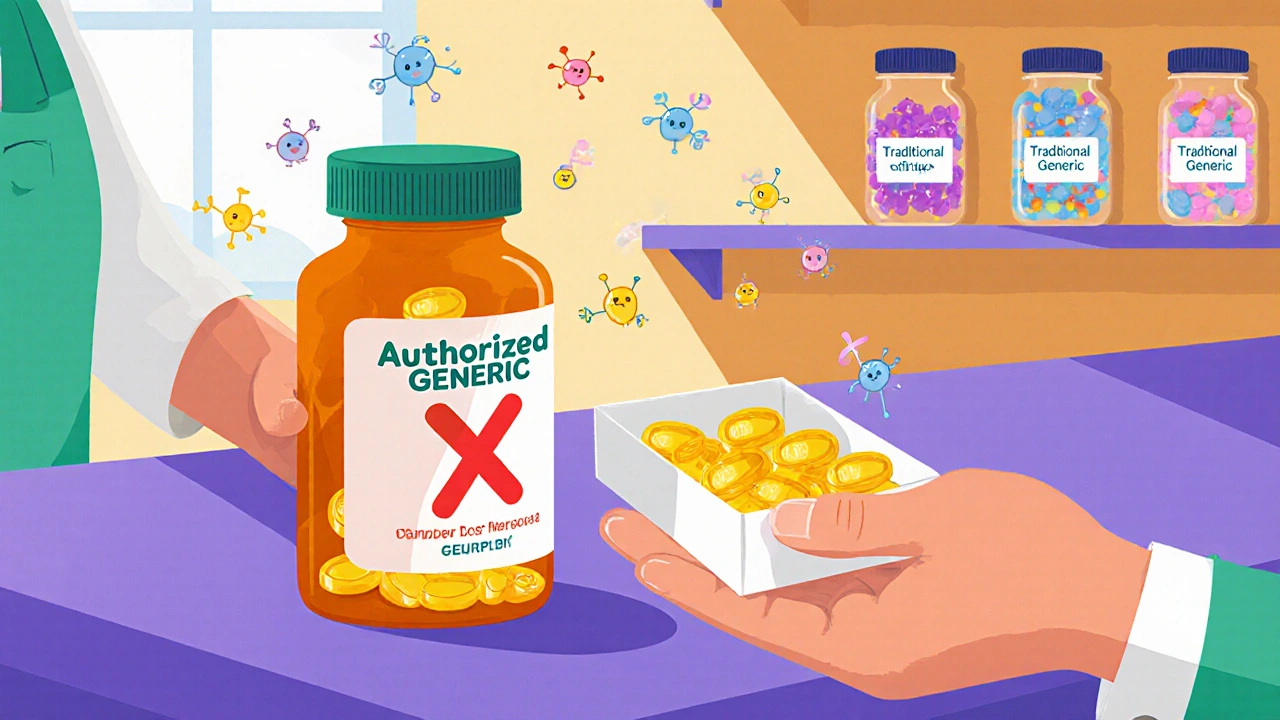
Authorized Generics: How Brand Drug Companies Respond to Patent Expiration
Authorized generics are brand-name drugs sold without the brand label after patent expiration. They offer identical ingredients to the original, lower prices, and fewer side effects-but they also delay true generic competition. Here’s how they work and what they mean for patients.
READ MORE© 2026. All rights reserved.